

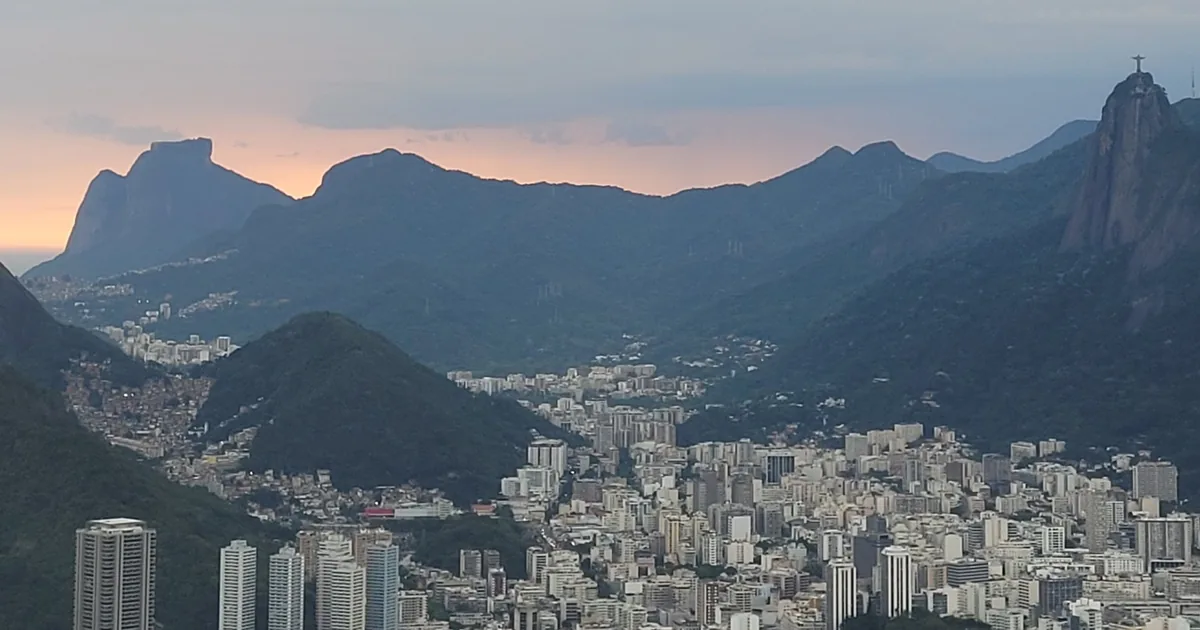

Rio de Janeiro Travel Trends 2026: What Travelers Really Want Now
Rio de Janeiro has broken one tourism record after another, but what people come here looking for has changed. Between January and June 2026, the state of Rio welcomed 1,337,950 international visitors, 15.6% more than the same period in 2025, and the state government is aiming for 2.5 million by December. Travelers from the United States are a big part of that wave: in January alone, US arrivals grew by roughly 24%.
We at Rio Cultural Secrets have been guiding travelers through our city since 2012, and we feel this shift every week. Our guests still want the sunset at Arpoador and the view from Sugarloaf. But more and more, they also ask us where Cariocas spend a Saturday afternoon, which trail we hike before work, and what is on in town in August.
These are the four Rio de Janeiro travel trends shaping 2026, and how we help our guests live each one.

1. Downtown Rio is the new cool: Rua do Senado and the historic center
The biggest surprise of the moment is that the buzz has moved from the beaches of the South Zone to Centro, Rio’s old downtown. For years, many visitors only crossed it on the way to somewhere else. Now it is where the city feels most alive.
Rua do Senado, the coolest street in the world
In Time Out’s latest ranking of the world’s coolest streets, Rua do Senado took first place among 31 streets, the first street in South America ever to top that list. We were not surprised. This is a street of 19th-century townhouses, old-school bars, vintage shops and art studios, and on Saturdays it turns into a dance floor during the samba at Armazém Senado. The historic yellow Granado factory building is also being turned into a new central market with dozens of food, drink and shopping spaces.
Rua do Senado sums up what travelers want right now: not a staged show, but a real neighborhood routine they can step into for a few hours.
New cultural corners: Beco do Bragança and the Rua da Carioca
A few blocks away, the tiny Beco do Bragança, near Candelária Church, has filled up with vintage furniture stores, rug dealers, a corner bar and an art gallery, all inside protected colonial townhouses. And in September 2026, Rua da Carioca, a street whose layout dates back to the late 1500s, was officially inaugurated as Rio’s first craft beer district, with seven breweries producing on site.
What ties these places together is walking. Visitors want to stroll, stop for a cold beer, browse an antique shop and hear live music without a fixed script.
How we explore Centro with our guests
- Our Private Walking Tour of Rio’s historic center covers the colonial core, Cinelândia and the Metropolitan Cathedral, and we happily add Beco do Bragança or a brewery stop on Rua da Carioca.
- The Historic Private Tour of Rio gives a full day to the city’s imperial and colonial past.
- Our Little Africa Private Tour visits Pedra do Sal and the Valongo Wharf, the roots of the samba you will hear on Rua do Senado.
- For the Saturday samba and Lapa’s nightlife, our Private By-Night Tour gets you there with a local by your side.
- The Street Art Private Tour and our Santa Teresa Private Tour round out the creative side of the old city.
2. Luxury travel goes ultra-personal
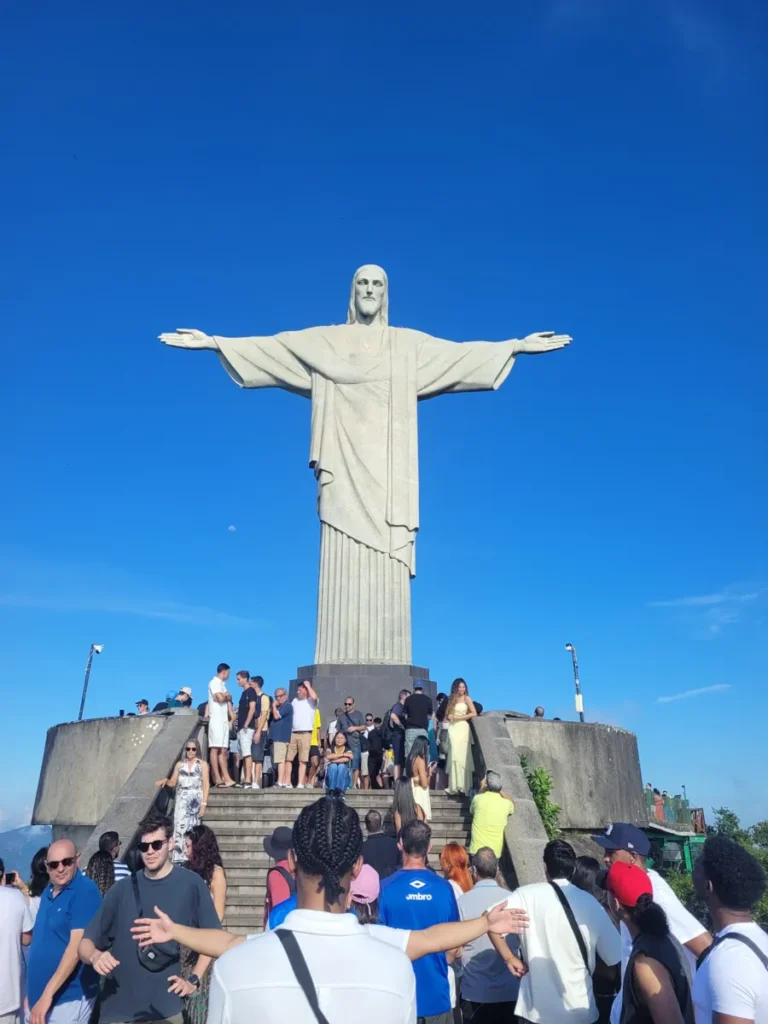
Rio is the number one luxury destination in Brazil, according to the 2026 yearbook of the Brazilian Luxury Travel Association (BLTA). The same study shows that high-end international travelers stay more than a week on average and want experiences that are authentic, personalized and connected to local culture, nature and lifestyle. Luxury here is less about showing off and more about access, time and meaning.
The hotel scene reflects that quiet sophistication. Hotel Fasano Rio de Janeiro, in Ipanema, with interiors inspired by the Bossa Nova era, was ranked second in Central and South America in the Travel + Leisure World’s Best Awards 2026. The Copacabana Palace topped the Condé Nast Traveller readers’ list for South America in 2025.
What ultra-personal means on our tours
Every tour we run is fully private, so you are never mixed with strangers. That is the starting point, not the upgrade. From there:
- Our Custom VIP Private Tour of Rio lets you design the day from scratch: an art gallery in the morning, a long lunch, a sunset viewpoint, all at your pace.
- Our Honeymoon packages are built around couples who want romance without crowds.
- Longer stays fit the trend perfectly. Our 5 Days in Rio package leaves room for a day trip to the imperial city on our Private Petrópolis Tour.

3. “Rio all year”: there is no low season anymore
The old idea of a low season in Rio has almost disappeared. The city’s official events calendar, called Rio o Ano Inteiro (Rio All Year), keeps something big happening in every season. For the winter months of July to September 2026, the city projected 2.8 million visitors and about R$7.4 billion moving through the local economy, with international arrivals up 15% on the previous winter.
Festivals are a big reason. Events like Rock in Rio and Rio Gastronomia bring people in, and many of them stretch the trip to see the rest of the city: a beach morning, a historic walk, a long dinner. The concert is the excuse; Rio is the trip.
There is a practical bonus too. Our winter brings drier, clearer days, which the city’s tourism secretary points to as the best visibility of the year for Christ the Redeemer and Sugarloaf. Pleasant temperatures also make it the best time for hiking.
Making the most of a festival trip
- In town for a show? Our 4–5 Hour VIP Tailored Private Tour fits around concert days and late nights.
- Our Sunset Tour with Christ by Train and Sugarloaf is at its best on a clear winter afternoon.
- With a few free days before or after the event, browse our Private Day Trips to Ilha Grande, Arraial do Cabo or the mountains.
4. Wellness, nature and the outdoor Carioca lifestyle
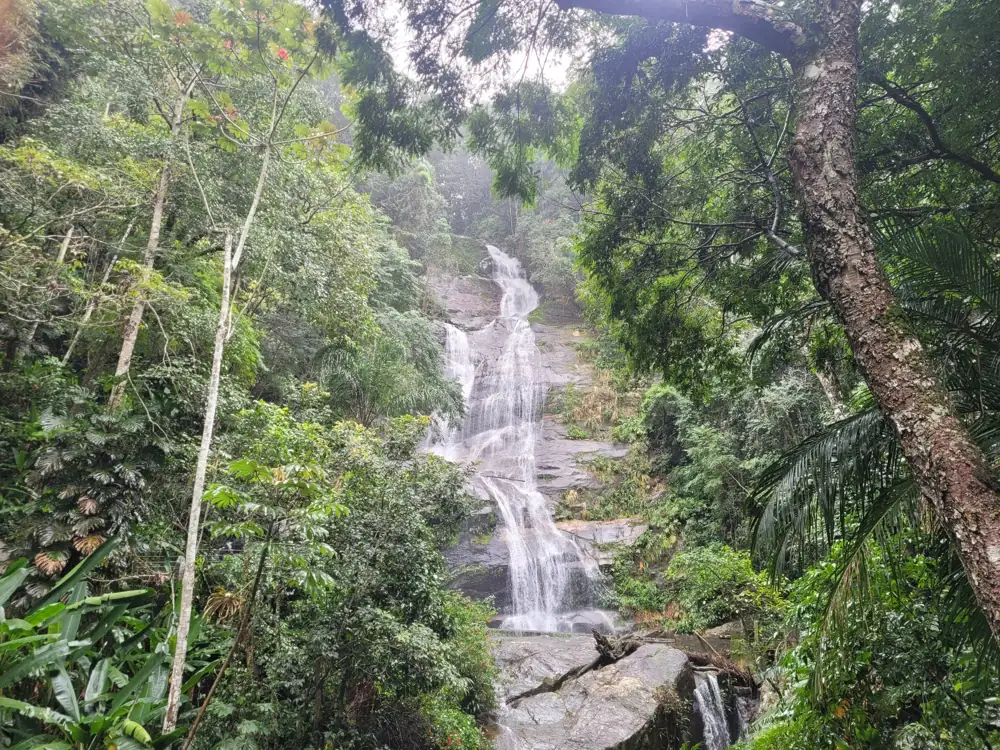
Travelers come to Rio to recharge, and the city makes it easy, because nature here is part of daily life. Cariocas paddle, run, hike and picnic as a routine, and visitors increasingly want to join in rather than just watch.
Sport with a view
Stand-up paddleboarding at sunrise off Copacabana and Leme is one of the most peaceful ways to start a day in Rio. Aterro do Flamengo, the big waterfront park on Guanabara Bay, fills up on weekends with cyclists, runners, football games and picnics facing Sugarloaf. None of this costs much, and all of it feels local.
Cleaner beaches, with a local tip
Sanitation work around Guanabara Bay has improved water quality at Botafogo, Flamengo and Glória, according to the state environmental agency, Inea. That is good news, but conditions still change week to week. Our advice: check Inea’s weekly bulletin, skip swimming for 24 hours after heavy rain, and for the cleanest water head west to Prainha and Grumari.
Our nature and wellness picks
If you want a slower, restorative day in Rio, these are the tours we recommend:
- Botanical Garden & Tijuca Forest Private Tour: one of the largest urban forests in the world, waterfalls and a 200-year-old garden, in half a day.
- Tijuca Rainforest Full-Day Tour: longer trails, hidden waterfalls and a swim in fresh water.
- Private Pedra Bonita Hiking Tour: an easy trail with one of the best views in Rio, over Pedra da Gávea and the coastline. If you can climb a few flights of stairs, you can do it.
- Private Serra dos Órgãos Tour: cooler mountain air, the Dedo de Deus peak and a natural green pool on the Poço Verde trail, about 90 minutes from Rio.
- Wildlife Private Tour: monkeys, coatis and capybaras, best in the early morning.
- Prainha and Grumari Private Tour: wild beaches protected by green hills, far from the crowds.
- Rio Natural Wonders Private Tour: the city’s best landscapes combined in one day.
For something more active, our Pedra do Telégrafo hike and the full list of Private Hiking Tours cover every fitness level.
The big picture: travel with purpose, the Carioca way
Put these four trends together and one idea stands out. People are not coming to Rio just to tick off landmarks. They want to feel the city the way we live it: samba on a downtown street on Saturday, a forest trail before breakfast, a winter festival with clear skies, a private day planned around what they love.
That has always been our way of working. We are native Cariocas, every tour is fully private, and we plan each day like a friend showing you around, not a guide rushing you between stops.
Planning a trip to Rio in 2026 or 2027? Contact us and tell us what kind of Rio you are looking for, or book your private tour here.
