

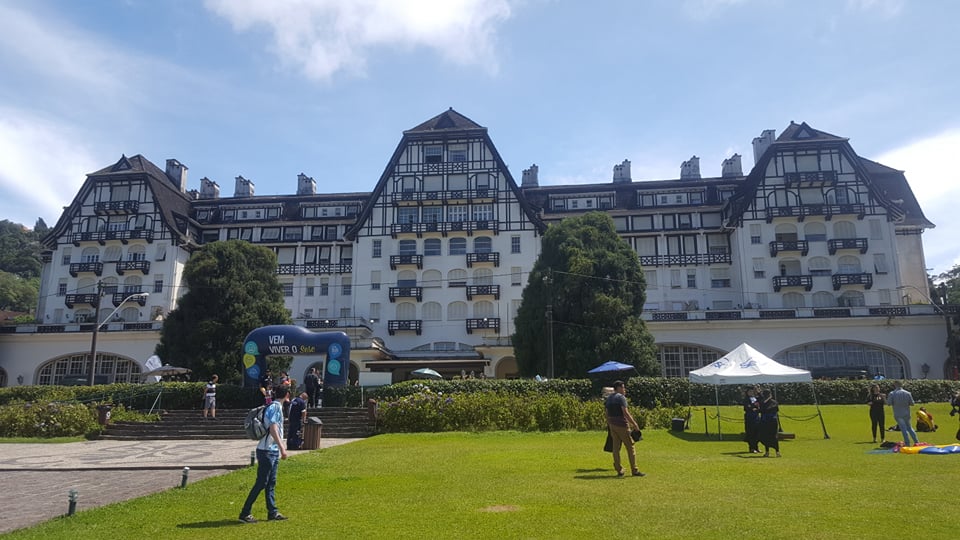

Sixty-eight kilometers north of Rio, Petropolis sits in the Serra da Estrela mountains like a European town transported to Brazil. I’ve been bringing visitors here for over 14 years, and the reaction is always the same: surprise. Most people expect another Brazilian beach town. Instead, they find cobblestone streets, Alpine architecture, and a summer palace where emperors once plotted Brazil’s future.
The city earned its “Imperial” nickname honestly. Dom Pedro II spent his summers here, escaping Rio’s sweltering heat. His palace is now a museum, but the vibe he loved—cool air, mountain views, German beer gardens—remains unchanged.
This isn’t a quick checklist. You’ll need time to wander Rua Teresa’s shops, taste Bohemia beer at the source, and maybe hike to a waterfall. Here’s how to do Petropolis properly.
The History of Petrópolis
The story of Petrópolis starts, believe it or not, with a priest who refused to sell his farm.
Every time Dom Pedro I traveled from Rio to Minas Gerais, he stopped to rest at a farm up in the mountains that belonged to Padre Correia. In those days, doctors recommended fresh mountain air as treatment for all kinds of illness, and the Emperor, who had a sick daughter, fell in love with the cool climate up there. He tried to buy that farm more than once. The priest’s family, worried that saying no to an emperor too many times might not end well, pointed him to a piece of land nearby instead. So in 1830 Dom Pedro I bought the neighboring Fazenda do Córrego Seco, dreaming of building a summer palace and a city in the mountains.
He never got to see it. He abdicated the Brazilian throne in 1831 and returned to Portugal. It was his son, Dom Pedro II, who made the dream real, founding the city in 1843. That is why the city carries his name: Petrópolis means “city of Pedro,” exactly the same way St. Petersburg in Russia means “city of Peter.”
Petropolis’ German Soul: Why This Feels Like Bavaria
Before diving into specific attractions, you need to understand why Petropolis looks nothing like the rest of Brazil. In 1845, Dom Pedro II recruited German immigrants to settle this mountain region. They brought building techniques, beer recipes, and a work ethic that transformed empty valleys into a thriving town.
Walk down Rua do Imperador and you’ll see timber-frame houses, Gothic churches, and breweries—all distinctly un-Brazilian. The German influence runs deeper than architecture. Local bakeries still sell authentic strudel. Oktoberfest here rivals celebrations in Germany. Even the weather cooperates: winter temperatures drop to 5°C, perfect for wool sweaters and hot chocolate.
This cultural blend creates Petropolis’ unique character. You’re not visiting a preserved colonial town or a modern resort. You’re experiencing what happens when European immigrants adapted their traditions to Brazilian mountains—and somehow made it work.
1. Museu Imperial: Where Brazil’s Emperors Summered
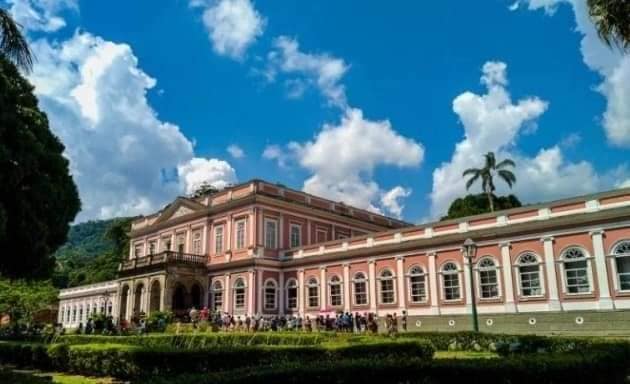
Start here. The Museu Imperial isn’t just Petropolis’ crown jewel—it’s one of Brazil’s most important historical sites. This neoclassical palace served as Dom Pedro II’s summer residence from 1845 until Brazil became a republic in 1889.
The museum requires visitors to wear felt slippers over their shoes, protecting the original hardwood floors. It’s a small detail that makes the experience feel authentic. You’re walking where emperors walked, not through a sterile reconstruction.
Inside, you’ll find Dom Pedro II’s crown (encrusted with 639 diamonds and 77 pearls), the princess’s bedroom preserved exactly as she left it, and the throne room where critical decisions shaped Brazilian history. The art collection includes works by Brazil’s most important 19th-century painters.
Don’t skip the gardens. The French-style landscaping and mountain backdrop create perfect photo opportunities.
Practical Info: Open Tuesday-Sunday, 11 AM-6 PM. Arrive early—weekends get crowded. Admission: R$20 adults, free on Wednesdays.
2. Casa de Santos Dumont: Aviation Pioneer’s Mountain Hideaway
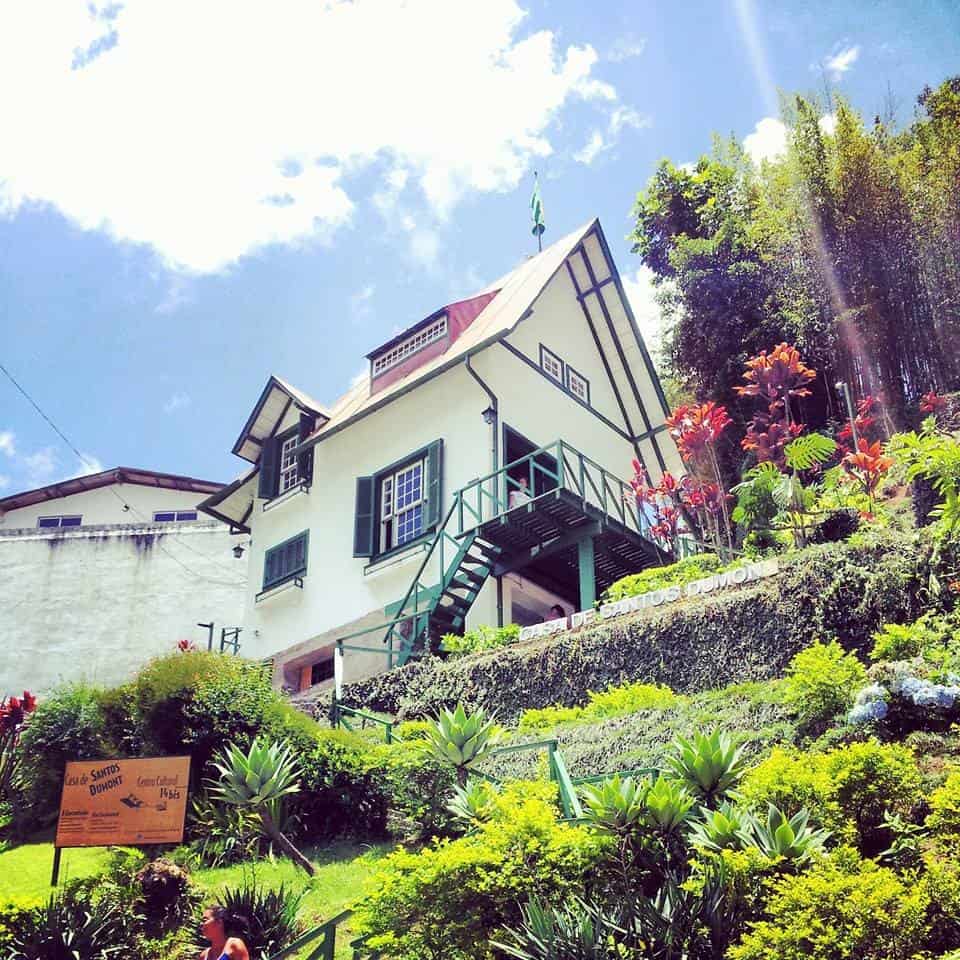
Alberto Santos Dumont designed this quirky Alpine house himself in 1918. Every detail reflects the inventor’s genius—and eccentricities.
The staircase only allows you to climb right foot first (Santos Dumont believed this brought good fortune). The shower heated by alcohol was revolutionary for the 1920s. The compact rooms mimic airplane cabin proportions.
His workshop displays blueprints for the 14-bis, the aircraft that made Brazil the birthplace of powered flight (a fact Brazilians will happily debate with anyone claiming the Wright Brothers got there first).
The house sits on a hillside overlooking Petropolis, exactly where Santos Dumont wanted it. He spent his final years here, increasingly melancholic about his inventions being used for warfare. Understanding his story adds weight to this intimate museum.
Here is something most visitors don’t know: Santos Dumont, the Brazilian father of aviation, chose to live in Petrópolis partly because of Princess Isabel. The two became close friends after his famous flights in Paris, and she always spoke wonderfully about the city, so he built his charming little house here, “A Encantada,” which you can still visit today.
Santos Dumont also opened aviation to women: in 1903, he lent his dirigible to a young woman named Aída de Acosta, who flew it solo over Paris and became the first woman ever to pilot a powered aircraft.
And every time you look at your wrist, you can thank him. Santos Dumont was great friends with the jeweler Louis Cartier, and he complained that checking a pocket watch while flying was impossible, since he needed both hands on the controls. Cartier designed a watch he could wear on his wrist, and that is how the modern wristwatch was born. Cartier still sells the “Santos” model today.
Practical Info: Open Tuesday-Sunday, 9:30 AM-5 PM. Admission: R$8. The hilltop location means a short uphill walk.
3. Cathedral of São Pedro de Alcântara: Imperial Necropolis
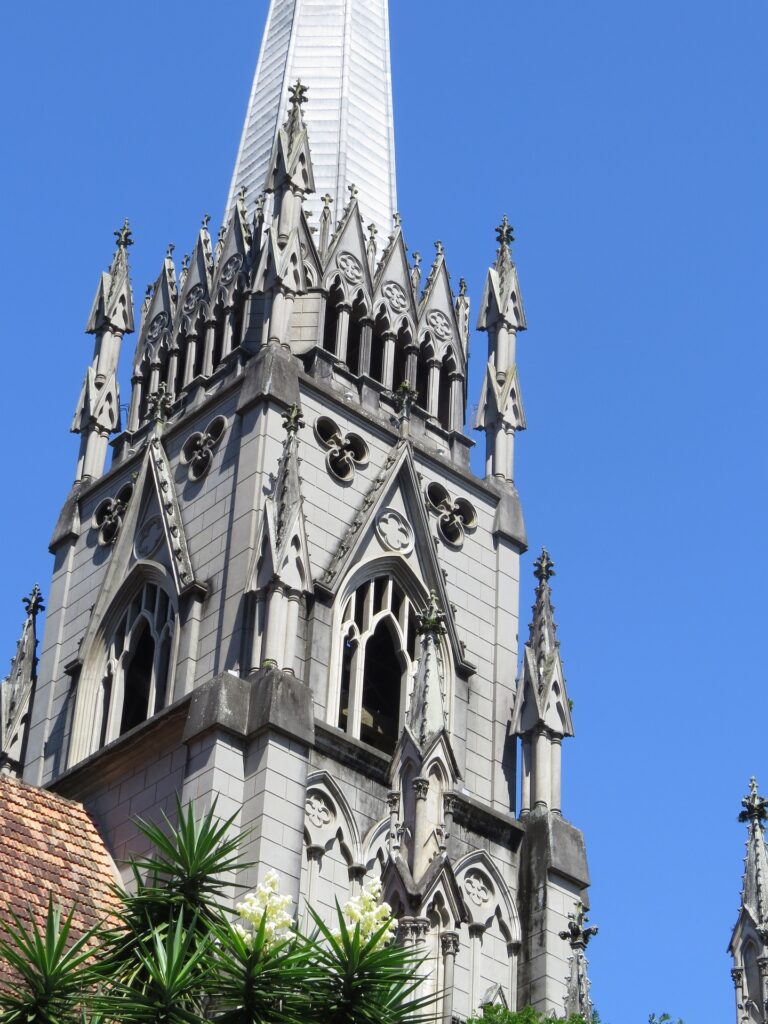
This French neogothic cathedral towers over Petropolis’ historic center. Inside the Imperial Chapel rest Dom Pedro II, Empress Teresa Cristina, and Princess Isabel—Brazil’s last royals.
The stained glass windows depict scenes from Brazilian imperial history, not biblical stories. It’s a subtle reminder that this cathedral served political purposes as much as religious ones.
Attend Sunday morning mass if possible. The acoustics transform hymns into something otherworldly. Even if you’re not religious, the experience is worth setting an alarm.
Practical Info: Free admission. Open daily 8 AM-6 PM. Dress modestly (no shorts or tank tops).
4. Quitandinha Palace: Brazil’s Forbidden Casino
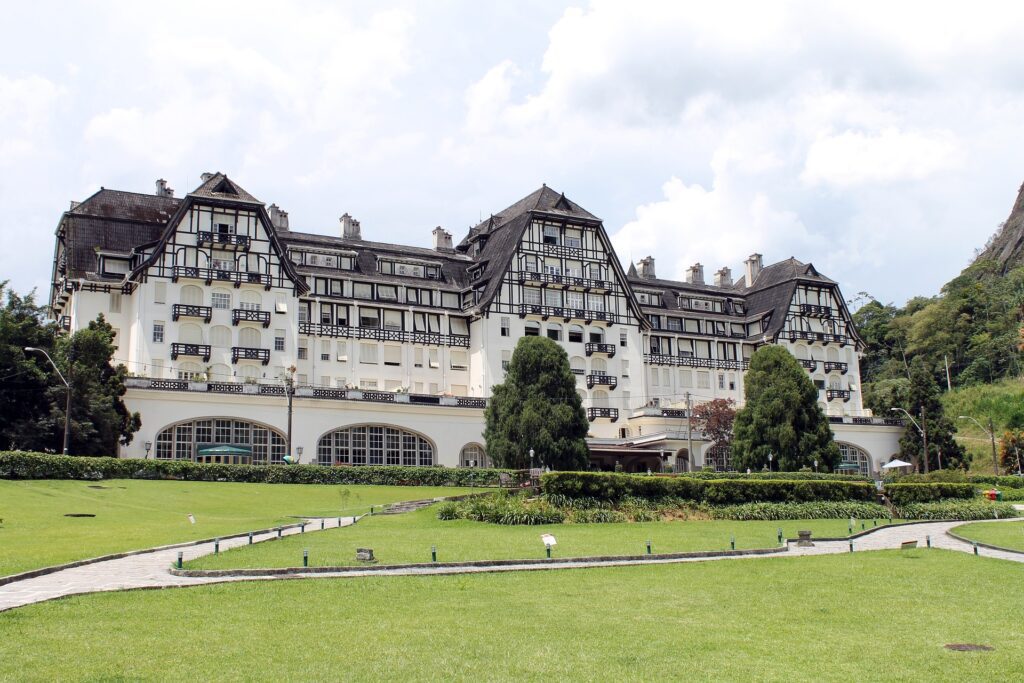
This massive pink art deco building was South America’s largest casino-hotel when it opened in 1946. For exactly one year. Brazil banned gambling in 1946, turning this opulent palace into a very expensive mistake.
The ballrooms still drip with 1940s glamour: crystal chandeliers, marble floors, Art Deco details everywhere. The artificial lake shaped like Brazil was supposed to wow international celebrities. It did, briefly.
Now it’s a luxury condominium, but guided tours let you glimpse the grand staircase and ballrooms where Carmen Miranda and Orson Welles once partied.
The Quitandinha was built in the 1940s to be the largest casino resort in Latin America, and in its golden years it attracted world celebrities: Greta Garbo and Walt Disney were among the famous guests who walked its halls. The indoor pool, they say, was inspired by the old “20,000 Leagues Under the Sea” film, and its shape resembles a grand piano.
Outside, look carefully at the lake: it was designed in the shape of the map of Brazil. And don’t miss the Jardim de Inverno, the Winter Garden, which for me is one of the most fantastic interior spaces in the whole country.
But the most important moment in Quitandinha’s history came in 1947. During World War II, German submarines had sunk Brazilian ships along our coast, killing hundreds of Brazilians and pushing Brazil into the war on the Allied side in 1942.
After the war, the Inter-American Conference was held right here at the Quitandinha, and the famous Rio Treaty, a mutual defense pact for the Americas, was signed in this palace, with US President Harry Truman attending. Very few people know that a document of world history carries the name of this palace in the mountains of Rio.
Practical Info: Tours Tuesday-Sunday, 9 AM-5 PM. R$15 admission. Photography allowed.
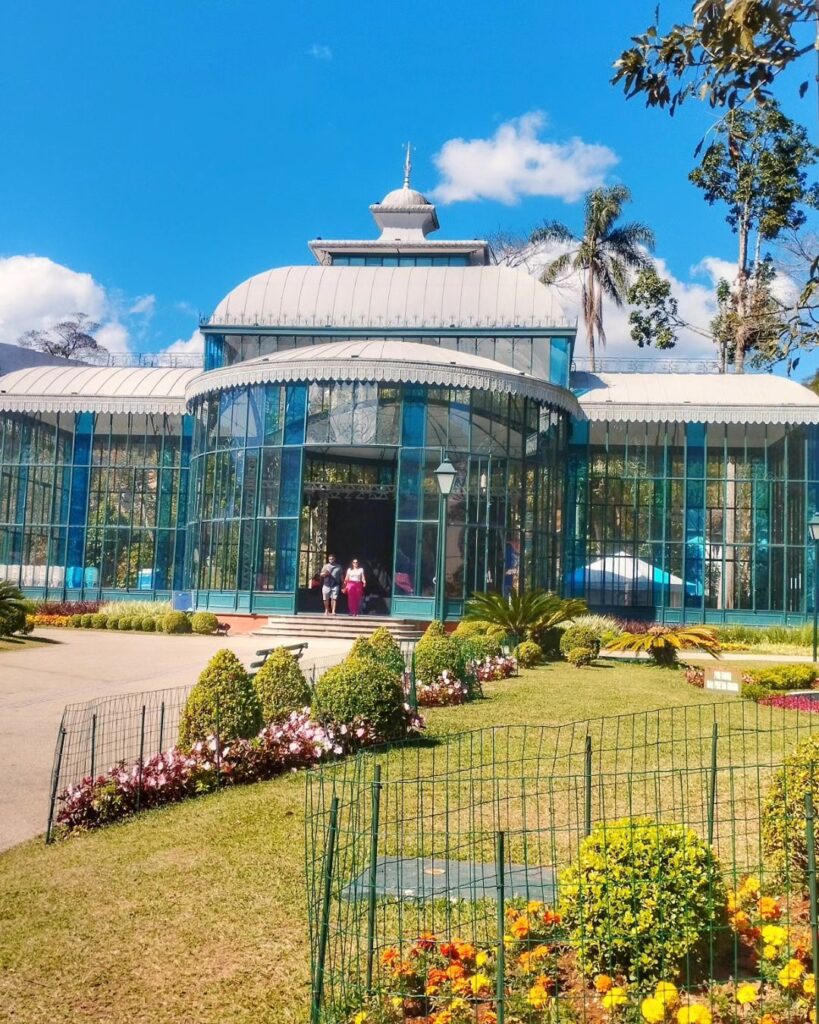
5. Palácio de Cristal: Victorian Greenhouse in the Tropics
The Crystal Palace holds one of the most beautiful moments in Brazilian history. In 1888, just days before slavery was officially abolished in Brazil, Princess Isabel held a ceremony here where she personally handed freedom letters to enslaved people. When I stand inside that glass structure with my guests and tell this story, the place feels different.
Today the palace is still alive with celebrations: it hosts events during the Bauernfest, the traditional German festival that takes over Petrópolis every June, and during Christmas the palace and its gardens light up beautifully, one of my favorite times of year to bring visitors here.
Practical Info: Open Tuesday-Sunday, 9 AM-5:30 PM. Free admission to gardens; exhibition prices vary.
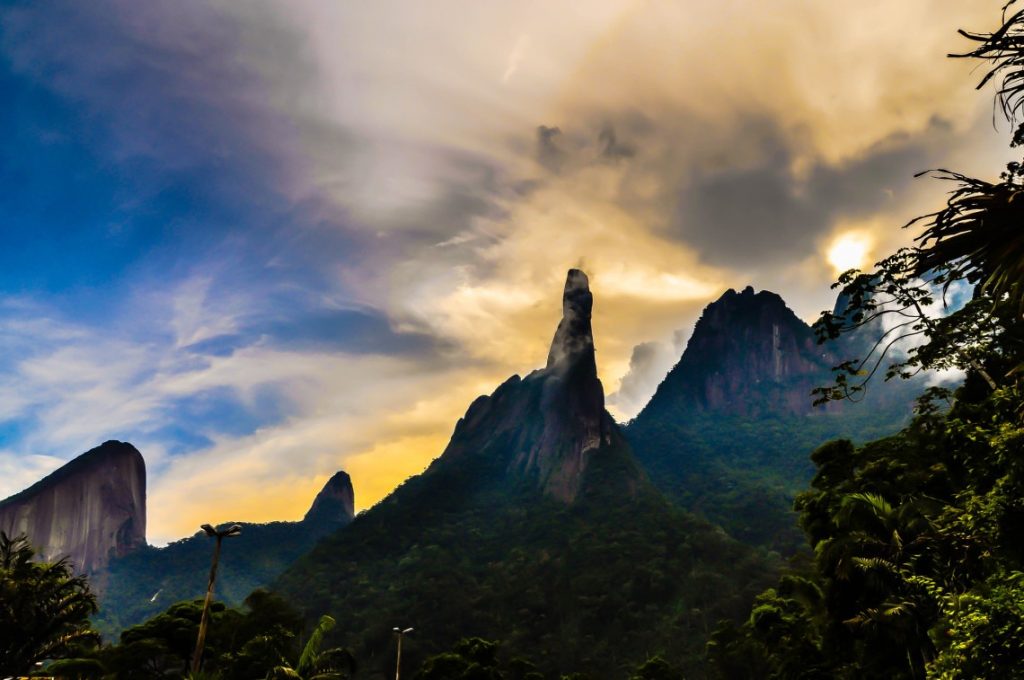
6. Serra dos Órgãos National Park: Atlantic Forest at Its Best
The park stretches from Petropolis to Teresópolis, protecting some of Brazil’s most dramatic mountain scenery. The organ-pipe rock formations give it its name.
Three hikes dominate:
Travessia Petrópolis-Teresópolis: The three-day traverse crosses the park’s spine. Challenging, beautiful, and worth every blister.
Pedra do Sino: Day hike to the park’s highest peak (2,263 meters). Moderate difficulty, incredible views.
Cachoeira Véu da Noiva: Easy waterfall trail suitable for families. Swimming allowed.
I’ve hiked here hundreds of times and still find new trails. The Atlantic Forest biodiversity is staggering—orchids, bromeliads, howler monkeys, toucans.
7. Rua Teresa: Where Locals Actually Shop
Forget boutiques. Rua Teresa is Petropolis’ commercial heart—hundreds of stores selling winter clothing, leather goods, and handicrafts at Brazilian prices.
Yes, it’s touristy. It’s also where locals buy their wool sweaters and chocolate. The trick is knowing which stores offer quality versus junk.
Look for: locally-made wool products, Petropolis chocolate (especially Katz brand), and cachaça from regional distilleries.
The street comes alive on Saturdays. Arrive early for best selection, late afternoon for bargains.
8. Bohemia Beer Factory: Brazil’s Oldest Brewery
Established 1853. That makes Bohemia older than the Brazilian republic.
The guided tour explains traditional brewing using Petropolis’ mountain spring water. The museum section displays vintage equipment and advertising from Brazil’s beer evolution.
Tours end with tastings—classic Bohemia varieties plus craft editions available only here.
Practical Info: Tours Tuesday-Sunday, hourly 10 AM-5 PM. R$40 includes tastings. Book ahead on weekends.
9. Itaipava: Gourmet Valley
Ten kilometers from central Petropolis, Itaipava blends mountain scenery with serious dining. Rio’s food-conscious crowd escapes here on weekends.
The main road hosts acclaimed restaurants, farm-to-table bistros, and artisanal markets selling local cheese, organic produce, and preserves.
It’s not cheap. But if you appreciate good food in beautiful settings, Itaipava delivers.
Restaurant Tip: Reservations essential on weekends. Lunch typically runs 1-4 PM.
10. Cheap and Free things to do in Petropolis
The best experiences here cost nothing:
- Walk the historic center admiring German architecture
- Explore public parks and viewpoints
- Browse Rua Teresa (window shopping is free)
- Hike accessible Serra dos Órgãos trails
- Visit the Cathedral (free admission)
Santos Dumont House costs R$8. Museu Imperial is free Wednesdays. Plan strategically and you can experience Petropolis on a tight budget.
Places to Stay in Petropolis
Historic Center: Walk to museums and restaurants. Best for first-time visitors. Try Casablanca Imperial (mid-range) or Pousada da Alcobaça (budget).
Itaipava: Rural setting, gourmet dining, higher prices. Ideal for romantic weekends. Tankamana and Locanda della Mimosa lead the luxury category.
Budget Options: Hostels cluster near Rua Teresa. Basic but clean. Expect R$60-100 per night.
Peak Season (June-August): Book ahead. Winter brings Brazilian tourists escaping coastal heat.
I usually recommend staying in the historic center for accessibility, then daytripping to Itaipava for dinner.
Practical Tips from 14 Years of Petropolis Tours
Weather: Pack layers. Mornings are cold (5-15°C in winter), afternoons warm up. Rain is possible year-round.
Transportation: Having a car helps but isn’t essential. The historic center is walkable; taxis/Uber reach everywhere else.
Timing: One full day covers major attractions. Two days lets you hike Serra dos Órgãos and explore Itaipava without rushing.
Food: Try trout (local specialty), fondue (German influence), and anything at Itaipava’s restaurants.
Avoid: Major Brazilian holidays. Petropolis gets packed with domestic tourists.
Where to Eat in Petrópolis
After a morning of palaces and history, you will be hungry, and Petrópolis eats very well. These are the three places I most recommend to my guests, all in or near the historic center.
Locanda — An elegant Italian restaurant on Avenida Ipiranga, in the heart of the historic center. Fresh pasta, excellent risottos, a great wine list, and often live music. My guests always come back talking about this one.
Imperatriz Leopoldina (Solar do Império) — The restaurant of the Solar do Império hotel, set inside a historic palacete on Avenida Koeler, the most beautiful street in Petrópolis. Refined Brazilian and international cuisine in an imperial atmosphere. Their afternoon tea is also a lovely option.
Restaurante Alcântara — A traditional favorite in the historic center, on Rua Raul de Leoni, serving generous Brazilian classics. Simple, comfortable, and reliable, perfect for a relaxed lunch between attractions.
FAQ
Is Petrópolis worth visiting?
Absolutely. Petrópolis is one of my favorite day trips from Rio, about 80 kilometers up into the beautiful Serra dos Órgãos mountains. The climate is fresh, the atmosphere is calm, the people are polite, and the city is surrounded by green. If you love royal history, or simply want a day away from the beach to discover a completely different side of Rio state, Petrópolis belongs on your list.
Is Petrópolis safe?
Yes, very. Petrópolis feels like another world compared to the big city, and it ranks among the best cities in Brazil for safety, education, and quality of life. The only thing to know is that heavy summer rains can occasionally cause flooding and landslides in the region. This never affects our tours: we follow the weather closely and adjust plans before any problem appears, so you can visit with total peace of mind.
What is the population of Petrópolis?
Petrópolis has a population of around 280,000 people, making it the largest city in the mountain region of Rio de Janeiro state.
Final Thoughts
Petropolis works because it doesn’t try too hard. The imperial palaces are genuine, not reconstructed. The German bakeries have been making strudel for generations, not cashing in on heritage tourism. The mountains are actually worth hiking.
Most visitors arrive expecting a quick checklist—museum, palace, done. Then they taste Bohemia at the source, find a hidden waterfall, or spend three hours browsing Rua Teresa’s shops. Suddenly it’s sunset and they’re booking another night.
That’s how Petropolis gets you. Not through aggressive tourism marketing, but by simply being itself: a German-Brazilian mountain town where emperors once summered, and where you can still understand why they chose this particular valley.
If you’re spending time in Rio and want a complete break from beaches and heat, head to the mountains. Petropolis is waiting—still cool, still green, still surprising visitors after 175 years.
Want the experience without the planning stress? Our private Petropolis tour skip the crowds at Museu Imperial, find waterfalls the guidebooks miss, and include stops at local breweries tourists never discover. After 14 years leading these trips, I’ve learned where to go when—and more importantly, where to avoid. Check availability for your dates here.
