What Makes It Different
Most other tours pack large groups onto buses that struggle with Santa Teresa’s winding roads, offering rushed stops and generic commentary.
This private tour is built differently:
- Personal Storytelling – Your guide reveals how this neighborhood became a haven for intellectuals and artists, from the mansion salons of Laurinda Santos Lobo to the folk art genius of Jorge Selarón
- Flexible Itinerary – Customize your journey based on whether you’re drawn to street art, historical architecture, museum collections, or photography opportunities
- Local Insights – Access viewpoints tourists usually miss, discover art studios tucked along Rua Dionísio, and understand why this hill neighborhood feels worlds apart from Copacabana’s beaches
How It Works
- Hotel Pickup Your private transportation arrives at your accommodation, ready to navigate Rio de Janeiro’s streets while you relax.
- Guided Exploration Over four to five hours, visit key sites with expert commentary—ride the historic tram across Arcos da Lapa, climb the Selarón Steps, explore Ruins Park and its panoramic views, admire European and Brazilian masterworks at Chácara do Céu Museum, and stroll through the heart of the neighborhood at Largo dos Guimarães.
- Return Journey A comfortable ride back to your hotel with photographs, memories, and a deeper understanding of Rio’s artistic soul.
Who It’s For
Ideal for:
- Art and culture enthusiasts wanting to explore Rio’s artistic community and street art scene
- Photography lovers seeking unique perspectives of downtown Rio and Guanabara Bay
- Travelers who prefer personalized experiences over crowded group tours
- History buffs interested in 18th-century colonial architecture and bohemian heritage
- Visitors looking to discover a neighborhood where charm, culture, and panoramic views converge
If you want to experience the Rio de Janeiro that attracted generations of artists and intellectuals, this private tour fits your needs.
Ready to Discover Rio’s Hidden Artistic Quarter?
Stop settling for rushed group experiences that barely scratch the surface. Choose this Private Santa Teresa Tour and explore a neighborhood where every cobblestone has a story, every viewpoint reveals Guanabara Bay, and every corner displays the creative spirit that makes this region unlike anywhere else in Brazil.
Secure checkout. Hotel pickup included. Your journey into Rio’s bohemian heart awaits.
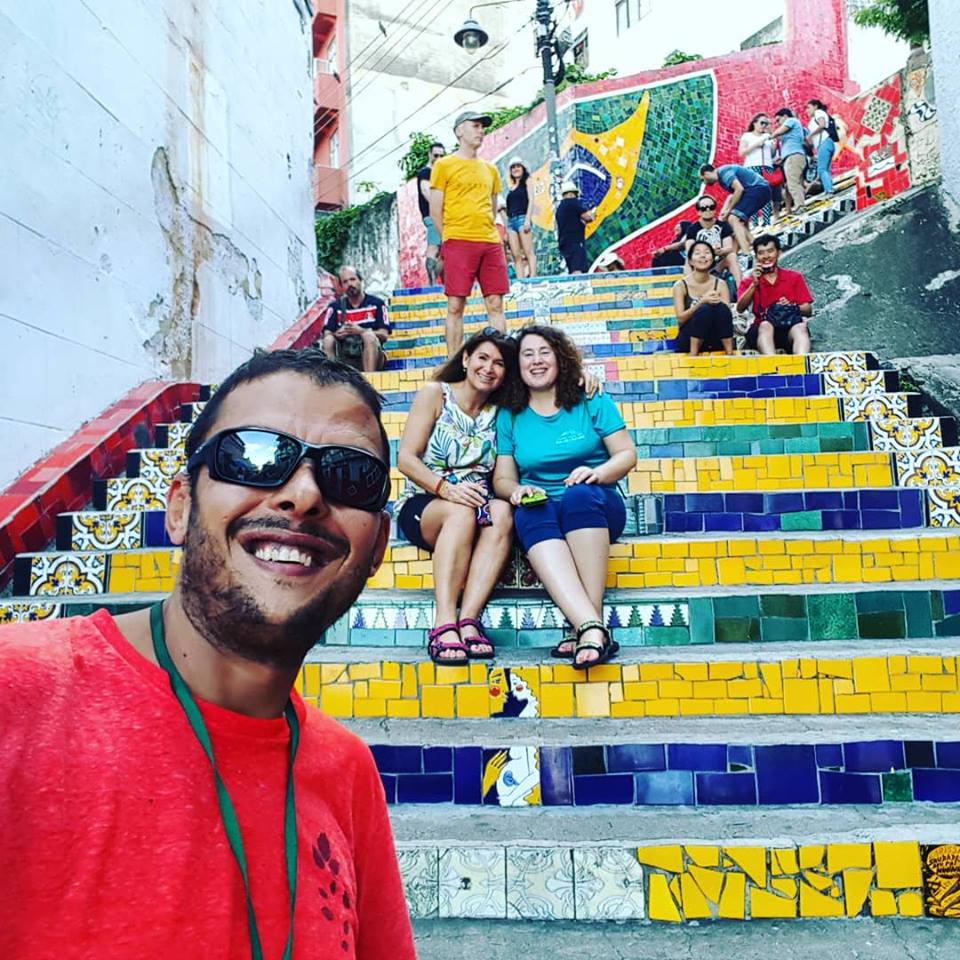
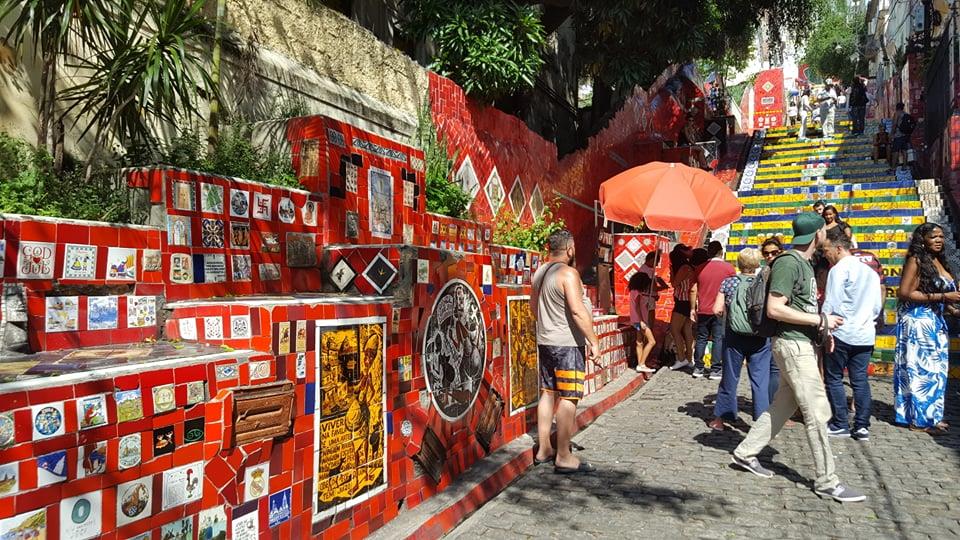
Selarón Steps
The Selarón Steps consist of 215 steps covered in over 2,000 colorful tiles collected from around the world by artist Jorge Selarón.
Parque das Ruínas
Parque das Ruínas was once the mansion of socialite Laurinda Santos Lobo and is now a cultural center that hosts art exhibitions and performances, offering one of the best viewpoints in the city.
Chácara do Céu Museum
The Chácara do Céu Museum features an art collection ranging from European masters such as Matisse and Modigliani to Brazilian modernist artists, along with panoramic views of Guanabara Bay.
Historic Tram Ride
The Santa Teresa tram connects the city center to the neighborhood, operating approximately every 30 minutes and accommodating up to 16 passengers.
Largo dos Guimarães
Largo dos Guimarães is the heart of Santa Teresa, lively with local bars, artisan shops, and traditional restaurants.
What’s included
Driver/guide
Hotel drop-off
Hotel pickup
Private Tour
Transport by private vehicle
What’s exclude
Tickets, Food and drinks
- USD 250 per group size up to 4 people
- USD 350 per group size 5 to 6 people
All bookings with Rio Cultural Secrets You may cancel any tour up to 7 days before the scheduled date and receive a full refund. Cancellations made after this period are not eligible for refund or credit, unless the cancellation is due to an unforeseeable event such as government-imposed travel restrictions, war, civil unrest, strikes, extreme weather, earthquakes, natural disasters, or situations where a cruise ship cannot dock or a flight to your destination is cancelled. Please note that unforeseeable events do not include personal or family illness or injury, poor weather, or a change of personal plans.
Frequently Asked Questions
What’s the best time to take this tour? Morning departures offer cooler temperatures, ideal lighting for photography, and fewer crowds at popular sites like the Selarón Steps. Late afternoon tours capture golden hour views from Ruins Park.
Is the tour suitable for all ages? Yes, though some walking on cobblestone streets and stairs is required. The neighborhood’s steep slopes and uneven surfaces may present challenges for travelers with reduced mobility.
Are entrance fees included? Museum entry and tram tickets are included in the tour cost—no need to pay separately or wait in ticket lines.
What if weather is bad? The tour operates rain or shine. Your guide will adjust the itinerary to emphasize covered attractions like the Chácara do Céu Museum during inclement weather, ensuring you don’t miss the cultural richness Santa Teresa offers.
How does the historic tram work? The bondinho operates daily, departing near Carioca Station in Centro. It transports 16 passengers at a time across the iconic Arcos da Lapa aqueduct and up into Santa Teresa—an experience that connects two neighborhoods while providing views you won’t find anywhere else in the world.
Is Santa Teresa safe? Safety recommendations suggest being mindful of surroundings, especially in less busy areas. Your private guide knows which streets to explore and ensures you experience the neighborhood’s charm without concern.


![Private Tour Santa Teresa Rio de Janeiro [5] rio city center walking tour](https://www.rioculturalsecrets.com/wp-content/uploads/2021/12/rio-city-center-walking-tour.jpg "Private Tour Santa Teresa Rio de Janeiro [6] rio city center walking tour")
![Private Tour Santa Teresa Rio de Janeiro [7] rio express highlights](https://www.rioculturalsecrets.com/wp-content/uploads/2025/10/rio-express-highlights.jpg "Private Tour Santa Teresa Rio de Janeiro [8] rio express highlights")
![Private Tour Santa Teresa Rio de Janeiro [9] pedra do sal african heritage rio scaled e1762634714705](https://www.rioculturalsecrets.com/wp-content/uploads/2025/11/pedra-do-sal-african-heritage-rio-scaled-e1762634714705.jpg "Private Tour Santa Teresa Rio de Janeiro [10] pedra do sal african heritage rio scaled e1762634714705")
![Private Tour Santa Teresa Rio de Janeiro [11] half day tours of rio de janeiro](https://www.rioculturalsecrets.com/wp-content/uploads/2021/12/half-day-tours-of-rio-de-janeiro.jpg "Private Tour Santa Teresa Rio de Janeiro [12] half day tours of rio de janeiro")
![Private Tour Santa Teresa Rio de Janeiro [13] Botanical Garden Tijuca Forest Tour](https://www.rioculturalsecrets.com/wp-content/uploads/2021/12/Botanical-Garden-Tijuca-Forest-Tour.jpg "Private Tour Santa Teresa Rio de Janeiro [14] Botanical Garden Tijuca Forest Tour")
![Private Tour Santa Teresa Rio de Janeiro [15] private tours of rio de janeiro with english speaking guide](https://www.rioculturalsecrets.com/wp-content/uploads/2025/12/private-tours-of-rio-de-janeiro-with-english-speaking-guide.webp "Private Tour Santa Teresa Rio de Janeiro [16] private tours of rio de janeiro with english speaking guide")