



Explore our ultimate travel guide, Tijuca Forest. Discover fascinating facts, delve into its rich history, and marvel at its breathtaking waterfalls. Embark on exhilarating hikes through lush trails, and immerse yourself in the beauty of Tijuca National Park—the world’s largest urban rainforest and the largest urban forest on the planet. Uncover the main attractions that Tijuca Forest offers, including amazing views from its scenic vistas, and create unforgettable memories in this natural paradise.
Tijuca Rainforest
Tijuca Forest is a tropical rainforest known for its dense vegetation, which contributes to its ecological richness and makes it one of the largest urban forests in the world. It covers thirty-two square kilometers, and numerous plants and animals live amongst the trees. The temperature inside this forest has affected the surrounding areas due to the abundance of vegetation. In fact, the park’s dense vegetation can lower ambient temperatures in surrounding urban areas by as much as 9°C (16°F). This rainforest creates a natural boundary between the city zone and the north, south, and central sections. It also makes a border between the northern and southern zones. One of the best and easiest ways for everyone to explore this magnificent area is through a private tour, as it allows them to learn more about the history and avoid missing any essential features.
History of Tijuca Forest
This forest is artificial, as the area was previously used for coffee plantations and sugar cultivation before being heavily deforested. Concern about this area was raised in 1861, when erosion and deforestation resulting from intensive farming were evident. Those issues reduced the drinking water supply, and something needed to be done to improve the situation. Over 100,000 native trees were planted between 1861 and 1887 as part of the reforestation efforts. The replanting of trees was carried out in the second half of the 19th century to protect Rio de Janeiro’s water supply. This massive reforestation project was a tribute to the enslaved people who replanted the forest to address the water crisis. In the late 1800s, the Brazilian government initiated one of the first large-scale reforestation projects in history to restore the Tijuca Forest after deforestation for coffee plantations. Emperor Pedro II declared Tijuca Forest a Protective Forest in the 19th century, leading to the expropriation of coffee plantations to promote reforestation and protect water sources.
The area was formally declared a national park in 1961, making it a fabulous destination that everyone can enjoy today, either on their own or on a guided tour. UNESCO also lists Tijuca National Park as a World Heritage Site.
Tijuca Forest Facts
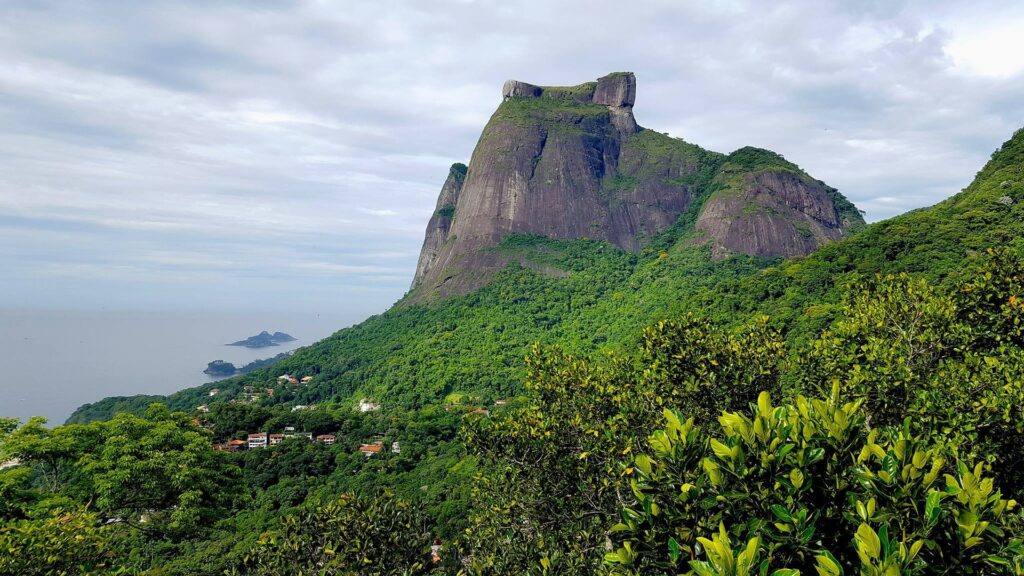
Tijuca means “marsh,” referring to the Tijuca Lagoon, and that is how this forest got its name. In 1967, Tijuca Forest expanded to almost forty square kilometers, making it even better for those exploring it. Tijuca National Park is considered one of the world’s largest man-made urban forests and one of its largest reforested areas, covering approximately 15.4 square miles (39.58 square kilometers). The park is part of the Atlantic Forest biome, a global biodiversity hotspot with a high concentration of endemic species.
Tijuca National Park features approximately 200 kilometers of hiking trails that cater to a range of skill levels, from beginners to experienced hikers. The forest is filled with all types of wildlife, but the animals visitors will see the most include capuchin monkeys, lizards, snakes, raccoons, and sloths. There are twenty-five endangered animals inside this park, and they live a protected life with guaranteed safety from human contact. The park shelters over 360 wildlife species and more than 1,600 plant species, including rare orchids and giant jequitibá trees. Thirty-seven amphibian species, one hundred and eighty-nine bird species, thirty-three reptile species, and seventy-two mammal species call this fantastic park home. Surrounding all those animals are 1,619 plant species, 433 of which are threatened with extinction.
Visiting the Tijuca Forest
Everyone can reach Tijuca Forest by car, on foot, by bicycle, or by train to visit the Christ Statue. While exploring it on foot is best, people can use other modes of transportation once they get there. People can visit Tijuca Park independently, but going into this rainforest with an experienced guide is always better. This is because it can be pretty easy to get lost among all the trees, turn around, and go the wrong way. Plenty of group tours are available, but visitors might also want to consider a private tour to spend more time at certain attractions and less time at others. Guided walks are also offered, providing educational and immersive experiences led by knowledgeable guides who share insights about the park’s flora, fauna, and history. In addition to hiking, visitors can enjoy a variety of recreational activities, such as rock climbing, mountain biking, and cave exploration within the park. For the best experience, visitors should wear comfortable hiking shoes suitable for uneven surfaces and bring water and insect repellent, especially if planning to hike.
What to See at Tijuc Rainforests
One of the first things everyone must see in Tijuca National Park is the Christ the Redeemer statue, located on Corcovado Hill. This iconic statue stands at more than 700 meters above sea level and is considered the most significant Art Deco statue in the world. Among the park’s popular attractions, the spectacular views from the top offer panoramic vistas of Rio de Janeiro and its stunning coastline. Exploring the forest, visitors can also discover beautiful waterfalls, lush vegetation, and diverse wildlife. Tijuca National Park offers a unique and captivating experience for travelers seeking both natural beauty and cultural landmarks.
Tijuca Rainforest Waterfalls
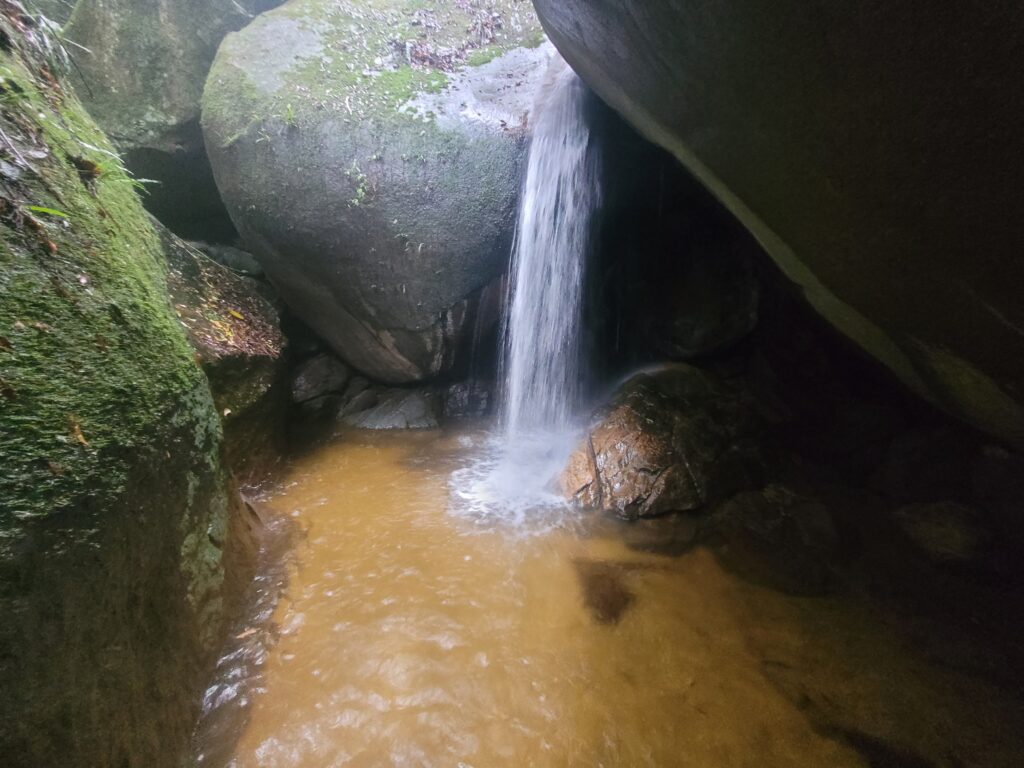
Tijuca Forest in Rio de Janeiro is a haven for nature lovers and adventure seekers. The park features over 30 waterfalls, offering a truly immersive experience in the heart of nature. One of the highlights is Cascatinha Taunay, the park’s highest waterfall at 35 meters, located near the entrance and impressing visitors with its dramatic drop. Other notable waterfalls include Cachoeira do Horto, Cachoeira da Baronesa, Cachoeira Diamantina, and Cachoeira das Almas (Almas Waterfall), which is easily accessible and popular for recreational waterfall baths. Many residents visit Cachoeira das Almas for spiritual refuge and purification rituals, especially in Afro-Brazilian religions. Get ready to be enchanted by the beauty and tranquility of these natural wonders on your visit to Tijuca Forest.
See Multiple Waterfalls on Our Full Day Forest Adventure
Our Full Day in the Forest Private Tour takes you to discover multiple waterfalls, numerous caves, and secret trails. Enjoy round-trip hikes that let you complete scenic circuits without retracing your steps. Includes wildlife spotting, swimming in natural pools, and hiking with expert guides. Perfect for adventure seekers!
[EXPLORE FULL DAY FOREST ADVENTURE]
Tijuca Forest’s Best Trails
The best trails in Tijuca Forest offer breathtaking experiences for nature enthusiasts. Pico da Tijuca, the highest peak and highest point in Tijuca National Park at 1,022 meters, is accessible via the popular Pico da Tijuca Trail—a 3-hour round-trip hike that rewards visitors with stunning views of Rio de Janeiro and breathtaking scenery. Papagaio Peak provides a unique opportunity to spot diverse wildlife while enjoying the tranquility of the forest. For thrill-seekers, Pedra da Gávea is a major climbing destination, offering an exhilarating ascent with magnificent vistas that make the effort worthwhile. Pedra Bonita is a shorter, 40-minute hike considered easier, yet it provides breathtaking views over southern Rio and is ideal for beginners. Climbing opportunities in Tijuca National Park vary in difficulty, with popular spots like Campo Escola 2000 catering to both beginners and experienced climbers. Cycling is also popular, with designated trails such as Venice Road suitable for cyclists of various skill levels. Last but not least, the Corcovado Trail provides a memorable experience, leading hikers through lush greenery to the iconic Christ the Redeemer statue. Embark on these trails and immerse yourself in the natural wonders of Tijuca Forest.
Chinese View & the Table of the Emperor
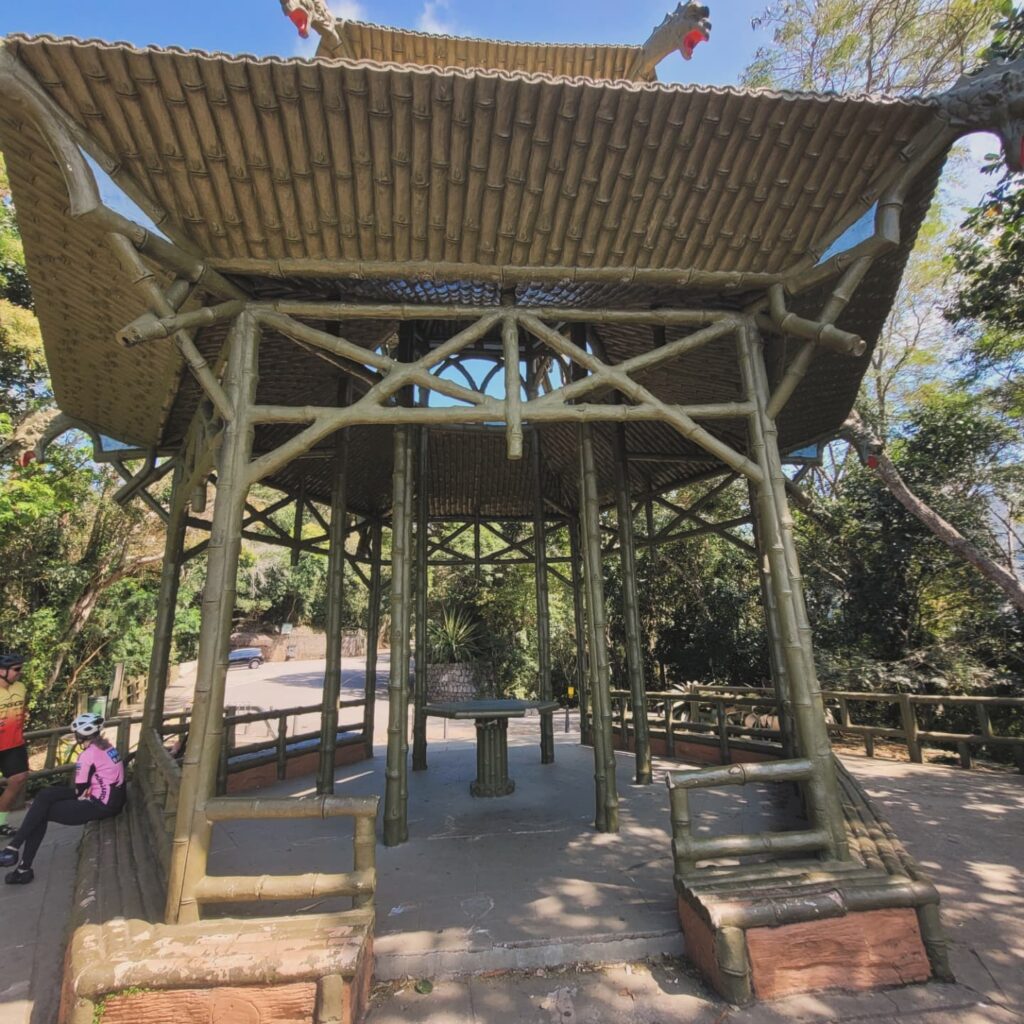
The Chinese View and Emperor’s Table are two Tableacular viewpoints within Tijuca RainForest, offering spectacular views of Rio’s beaches, bays, and rainforest peaks. The good news is that people do not need to hike to enjoy these amazing views. The Chinese View was constructed between 1902 and 1906 as a tribute to the Chinese people who arrived in Brazil to plant tea. Emperor’s Table is where Peter II visited to enjoy picnics with the spectacular view of the city in the background.
The best part about all these things to do inside Tijuca Forest is that visitors can take multiple tours to ensure they see it all when they are there.
Mirante Dona Marta
Dona Marta Top View in Rio de Janeiro offers a breathtaking panoramic view of the city, with stunning scenery in every direction. From this elevated vantage point, travelers can marvel at the stunning sights of Rio’s iconic landmarks, including Christ the Redeemer, Sugarloaf Mountain, and the beautiful coastline. The vibrant cityscape, dotted with colorful buildings and lush greenery, stretches out before your eyes, creating a truly mesmerizing experience. Dona Marta Top View is a must-visit destination for those seeking awe-inspiring vistas, breathtaking scenery, and a unique perspective of Rio de Janeiro’s beauty.

Insider Tips About the Tijuca Forest
The most popular time to visit Tijuca Forest is when the animals wake up to eat in the early morning, before the sun has risen too far. Most people will spend at least four hours in the forest, wandering around and taking in the views and wildlife. The busiest days at this forest are Thursdays, Fridays, and Sundays, so visitors may want to consider visiting on other days to avoid the massive crowds.
Entry to Tijuca Forest
There is no fee to enter Tijuca Forest, but people will be charged if they want to go up Corcovado Mountain to see the Christ the Redeemer statue.
How to get to Tijuca Park?
To visit Tijuca National Park, also known as Parque Nacional da Tijuca or Tijuca National Forest, you can use various modes of transportation, such as car, bicycle, or on foot. The main access points to the park include the West Zone, Barra da Tijuca, Alto da Boa Vista, and São Conrado neighborhoods, making it easily accessible from different parts of Rio de Janeiro. Exploring the forest on foot is recommended, but alternative modes of transportation are available once inside. While visiting independently is possible, it’s advisable to go with an experienced guide who can navigate the forest’s trails and provide an informative experience. Private tours are available and allow for a customized exploration of the forest.
Do you need a guide for Tijuca National Park?
You’re absolutely right! A guide is highly recommended for Tijuca National Park. As part of the Serra da Carioca and the Serra do Mar coastal range, the park features dramatic cliffs, peaks, and elevated terrain, which can make navigation challenging. The dense forest, lack of internet signal, and potential encounters with poisonous animals such as snakes and spiders increase the risks of exploring alone. Additionally, respecting park boundaries is crucial for both your safety and the conservation of the ecosystem. Plus, a guide can help you navigate the trails safely, share the park’s history, and point out hidden waterfalls and viewpoints.
How many waterfalls are in Tijuca National Park?
Tijuca National Park in Rio de Janeiro, Brazil, has several waterfalls. Over 30 waterfalls are within the park, varying in size and accessibility. Some of the better-known waterfalls include Cachoeira das Almas, Cachoeira do Horto, Cachoeira da Baronesa, Cachoeira Diamantina, Cachoeira Gabriela, and Tauanay.
These waterfalls offer visitors a chance to enjoy the tranquility of nature and engage in activities like swimming and hiking. However, the accessibility of some waterfalls might depend on the specific trails and routes you choose to take within the park.
Is Tijuca National Park worth visiting?
Yes, Tijuca National Park is worth visiting. As one of the largest urban rainforests in the world, it offers a unique opportunity to experience nature and biodiversity within a major city like Rio de Janeiro. The park is home to stunning waterfalls, hiking trails, scenic viewpoints, and diverse wildlife, offering visitors a range of outdoor activities and experiences. Whether you’re interested in hiking, birdwatching, or simply enjoying the beauty of nature, Tijuca National Park offers something for everyone. In addition to the park’s cultural significance, landmarks such as the Christ the Redeemer statue and the ruins of the former coffee plantation add to its appeal as a must-visit destination in Rio de Janeiro.
Which Animals Can Be Seen Inside the Tijuca Forest?
Travelers love seeing new things as they venture from one destination to the next around the world, but one reason they arrive in Rio de Janeiro is to see the wildlife that lives in the rainforests and jungles. It is no secret that many animals live in this part of the world, and many people like yourself are shocked to learn that many of them can be seen at the more prominent attractions.
After all, most animals are scared of people, so you wouldn’t think you would find out by the Christ the Redeemer Statue, up on Sugar Loaf near the cable car, or even over by the Taunay Waterfall. However, a careful look will have you spotting them there and at any other place you visit while you are in Rio de Janeiro.
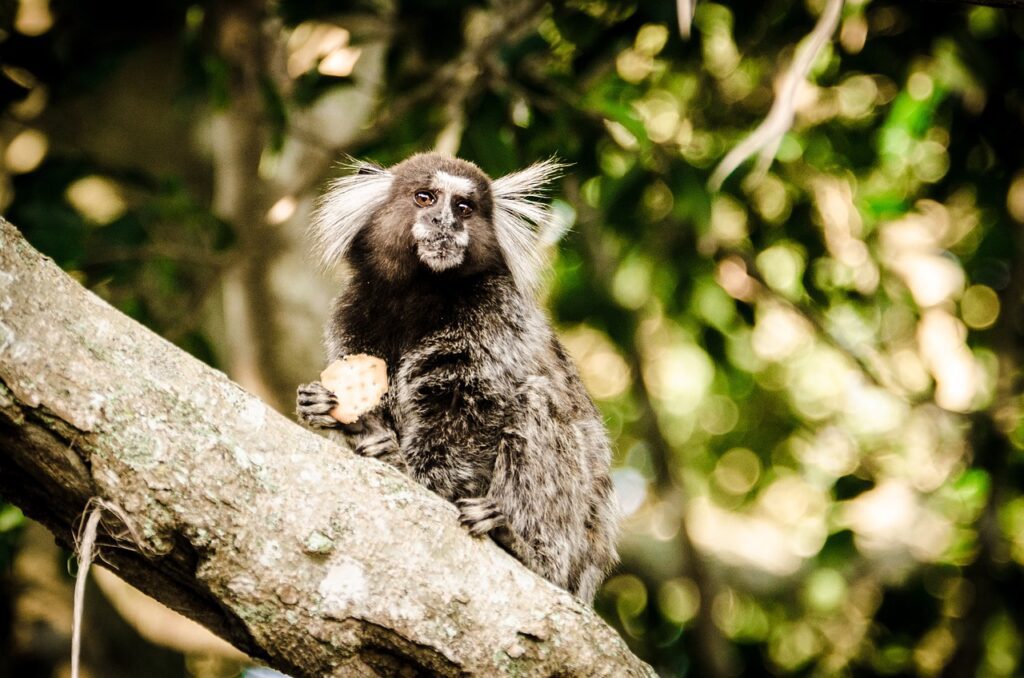
When you drive up Corcovado, you will have plenty of opportunities to spot the monkey nail. Of course, you will also see this creature in Paineiras, where you purchase your tickets for the final portion of the trek to the top of Corcovado.
The Taunay Waterfall area of Tijuca National Park has even more wildlife, including the South American coati, sloths, and squirrels. The park is home to roughly 63 species of mammals, including capuchin monkeys, common sloths, and ring-tailed coatis. It also shelters a diverse array of wildlife, such as howler monkeys, agoutis, and the elusive ocelot, all thriving in the dense Atlantic Forest.
This massive forest is also home to many species of bats, the squirrel monkey, the Paraguayan hairy dwarf porcupine, the nine-banded armadillo, foxes, various opossum species, plus a million butterflies, reptiles, and unique amphibians such as tree frogs and the jararaca pit viper.
Tijuca National Park is a haven for birdwatchers, as it is home to many birds—over 226 recorded species—including the Seven-colored Tanager, Black-billed Toucan, channel-billed toucan, maroon-bellied parakeet, and black-and-white hawk-eagle. Birdwatching opportunities abound along the park’s trails, making it a prime location for avian observation.
You never know what you will see and discover when you explore the Tijuca Forest in Rio de Janeiro, so it is always best to keep your eyes and ears open. Of course, a private tour of this area will have you spotting the animals that you might have otherwise missed, so it is encouraged if you want to see every animal that lives within this lush green area of Rio.
Is Tijuca Forest safe for tourists?
Tijuca Forest is generally safe for tourists when proper precautions are taken. Stay on marked trails, visit during daylight hours (8 AM-5 PM), and consider hiring a guide for safety and navigation. Avoid displaying valuables, travel in groups when possible, and be aware of wildlife. Private tours with experienced guides provide the safest and most rewarding experience.
How much does it cost to visit Tijuca Forest?
Entry to Tijuca Forest National Park is completely free. However, if you want to visit the Christ the Redeemer statue on Corcovado Mountain, tickets cost approximately $ 5-$30 USD, depending on the transport method. Private guided tours of Tijuca Forest start at $200 USD per group and include transportation, expert guides, and customized itineraries. Many tours and activities also offer free cancellation, giving travelers added flexibility and peace of mind when booking.
How long should I spend in Tijuca Forest?
Most visitors spend 4-8 hours exploring Tijuca Forest, depending on their interests. For those seeking a concise yet enriching half-day tour, guided wildlife viewing, nature exploration, and scenic walking hours are ideal for learning about local flora and fauna. A half-day tour (4 hours) is perfect for hiking Pedra Bonita or visiting key viewpoints. Full-day tours (8 hours) allow you to explore waterfalls, caves, hiking trails, and wildlife spotting locations throughout the park. For visitors wanting a longer experience, an overnight stay is possible with prior authorization, which is required for overnight accommodations, events, or commercial activities within the park.
Choose Your Perfect Tijuca Forest Private Tour
Rio Cultural Secrets offers 4 specialized private tours of Tijuca Forest:
Tijuca Forest + Botanical Garden | 5 hours | Nature & culture lovers, includes a sensory garden experience
Pantanal Carioca + Tijuca Forest | 5 hours | Wildlife enthusiasts + private boat
Full Day Forest Adventure | 8 hours | Multiple waterfalls, caves, hiking, and adventure activities for extreme sports fans, including hang gliders
Pedra Bonita Half-Day Hike | 5 hours | Scenic rainforest trail with panoramic views, hang gliding launch site
Corcovado + Tijuca Forest | 5 hours | Christ the Redeemer + rainforest
All tours include: Expert guides, private transportation, customizable itineraries, wildlife spotting
Tijuca National Park provides numerous recreational opportunities, including hiking trails, birdwatching, extreme sports, and hang gliding.
Starting at $200 USD per group
[BOOK YOUR PRIVATE TOUR NOW] [ CONTACT US]
Recommended by Fodor’s Travel Guide • 14+ Years Experience • 5-Star Rated
