

May 1, 2023

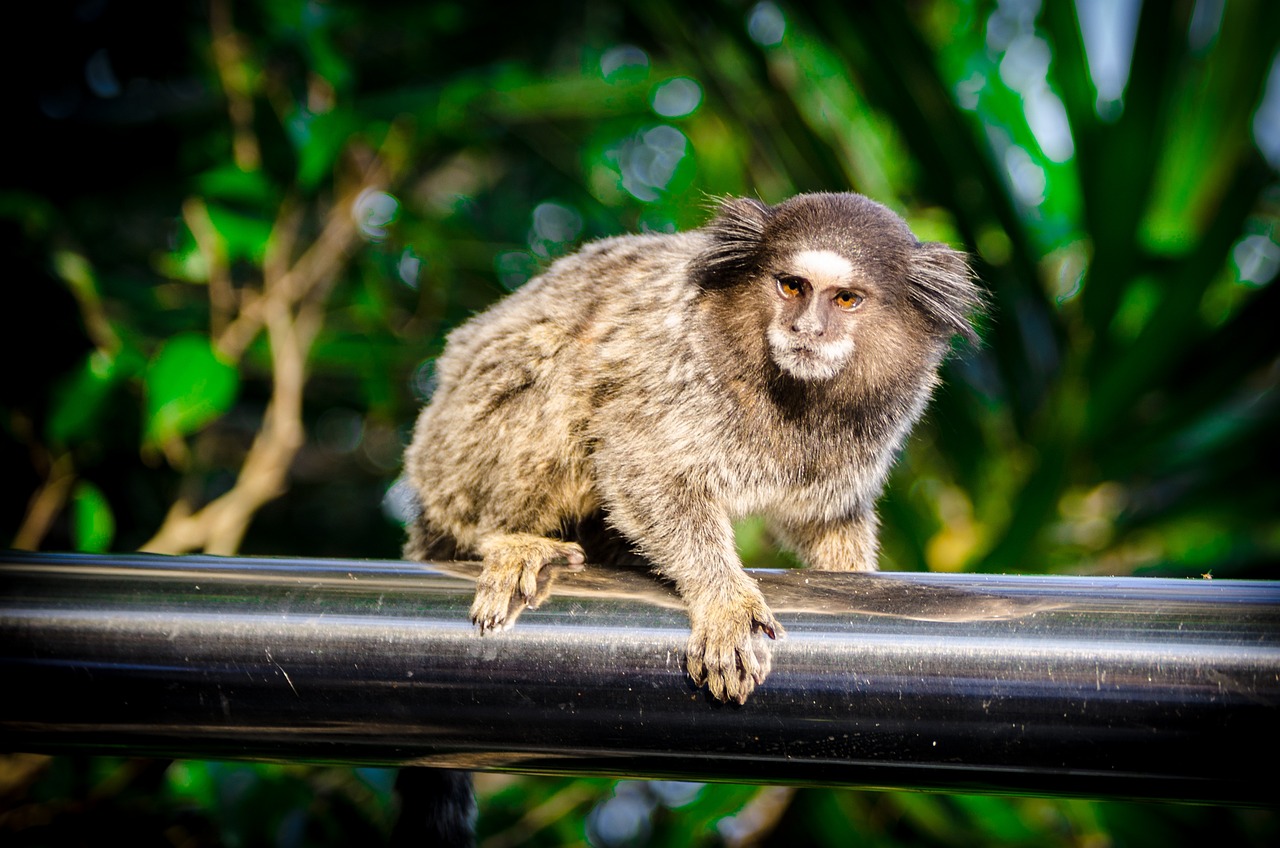
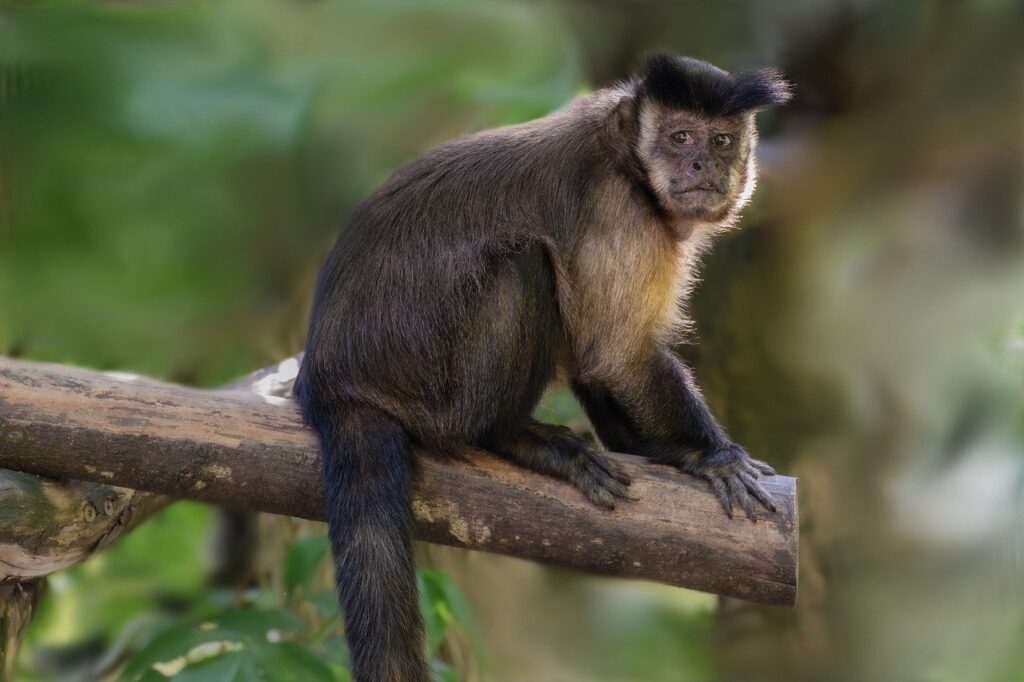
Most visitors come to Rio for the beaches and Christ the Redeemer, and only later discover — usually mid-tour, when a capuchin monkey jumps on a railing next to them — that this city is wrapped in rainforest. I was born here and I still get surprised. Rio is one of the few big cities in the world where you can see monkeys, toucans, capybaras, and even caimans without leaving the city limits. After 14 years guiding nature lovers through these forests and waterways, here are the places I actually recommend.
1. Tijuca National Park
The world’s largest urban forest, and the easiest place to see wildlife in Rio. Capuchin monkeys are almost guaranteed — they’re curious and come close (keep your snacks inside your bag, they’re fast). With some luck and quiet feet, you’ll also spot toucans, coatis, agoutis, and dozens of bird species. The forest hides waterfalls, hiking trails, and viewpoints like Vista Chinesa and Mesa do Imperador, with Christ the Redeemer appearing between the trees. Early morning is the best time — animals are active and trails are empty. Read our full Tijuca Forest guide.
2. Pantanal Carioca
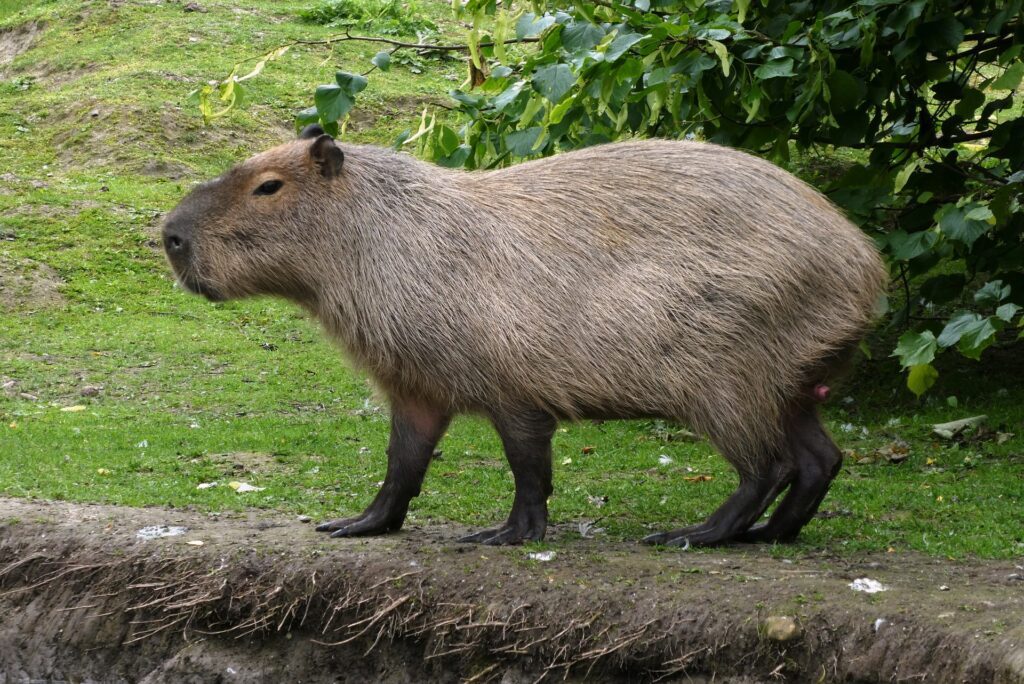
This is Rio’s best-kept nature secret, and my personal favorite. Hidden inside the city, this wetland ecosystem is reached by boat — and it feels like another world. On a calm morning you’ll see capybaras grazing at the water’s edge, herons hunting in the shallows, and caimans sunbathing on the banks, all with the city skyline in the distance. Most tourists never hear about this place. Most Cariocas haven’t either, honestly.
3. Rio de Janeiro Botanical Garden
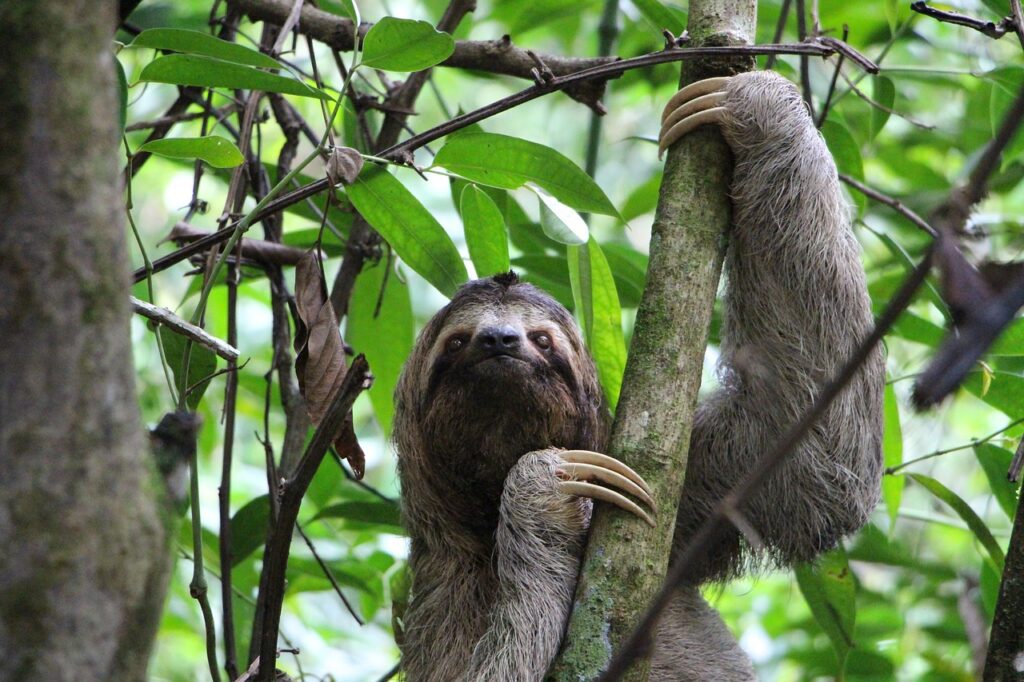
Over 6,500 plant species, and the animals come for free. Marmosets run along the branches, toucans visit the palm trees, and if you walk slowly near the lakes you’ll see herons and the occasional sloth high in the canopy. It’s flat, shaded, and easy — perfect for families or anyone who wants nature without a hike. Here’s our Botanical Garden guide.

4. Pedra Bonita
Better known for paragliding, but birders love it. The open cliffs attract hawks and vultures riding the thermals, and the short trail through the forest gives you a good chance of hearing — and sometimes seeing — smaller Atlantic Forest birds. The view from the top is one of the best in Rio. Details on our Pedra Bonita hike.
5. Guanabara Bay
The bay is surrounded by mangroves that shelter herons, egrets, kingfishers, and crabs. Boat tours often cross paths with sea turtles and dolphins swimming in the calmer waters — a surprising sight with the skyline of a city of six million people right behind them.

6. Arraial do Cabo: The Best Whale Watching in Brazil
If you want to see whales, this is the place. Arraial do Cabo, about three hours from Rio, is in my opinion the best spot in Rio de Janeiro state — and in Brazil — to observe humpback whales and even orcas. The deep, cold, crystal-clear waters attract them close to shore, especially between June and November. On our private tours to Arraial do Cabo, we’ve had the chance to watch these giants breaching just off the boat more times than I can count — and it never stops being emotional. Even without the whales, the beaches here are the closest thing Brazil has to the Caribbean.
7. Ilha Grande
A car-free tropical island a few hours from Rio. Boat trips regularly encounter dolphins, and sea turtle sightings are common in the calm, clear coves — snorkeling here often means swimming right beside them, surrounded by colorful fish. On land, the island’s preserved Atlantic Forest is home to monkeys, lizards, and bird species you won’t find in the city. Our Ilha Grande travel guide has everything you need.
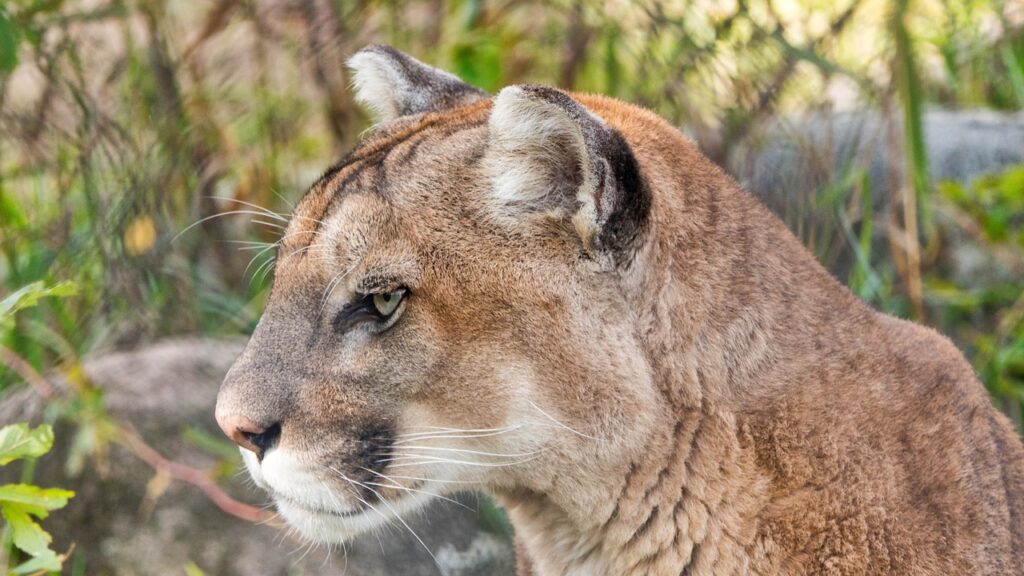
8. Serra dos Órgãos National Park
In the mountains about 90 minutes from Rio, this park protects some of the best-preserved Atlantic Forest in the state — including pumas. Sightings are rare, but hiking these trails knowing a big cat lives in the same forest changes the experience. The dramatic peaks, including the famous Dedo de Deus (God’s Finger), make the day trip worth it even if the wildlife stays hidden.
The Animals Are Coming Back: Reintroduction in Tijuca Forest
Here’s something that makes me proud as a Carioca. Tijuca National Park, together with ICMBio (Brazil’s federal institute for biodiversity conservation), has been reintroducing species that once inhabited this forest and disappeared over the centuries. Little by little, they’re returning: the howler monkey, whose deep roar can now be heard again in parts of the forest; the muriqui, the largest primate in the Americas; and the blue-and-yellow macaw, flying over the canopy once more.
And there’s more — through biologists and camera traps installed across the state parks and national parks of Rio de Janeiro, pumas and even jaguars have been spotted returning to regions they hadn’t been seen in for decades. It’s the direct result of reforestation, habitat recovery, and the protection of areas of ecological importance around the city. For wildlife lovers, this is the best possible news: Rio’s forests are getting wilder, not tamer.
About the Golden Lion Tamarin and Rio’s Endangered Species
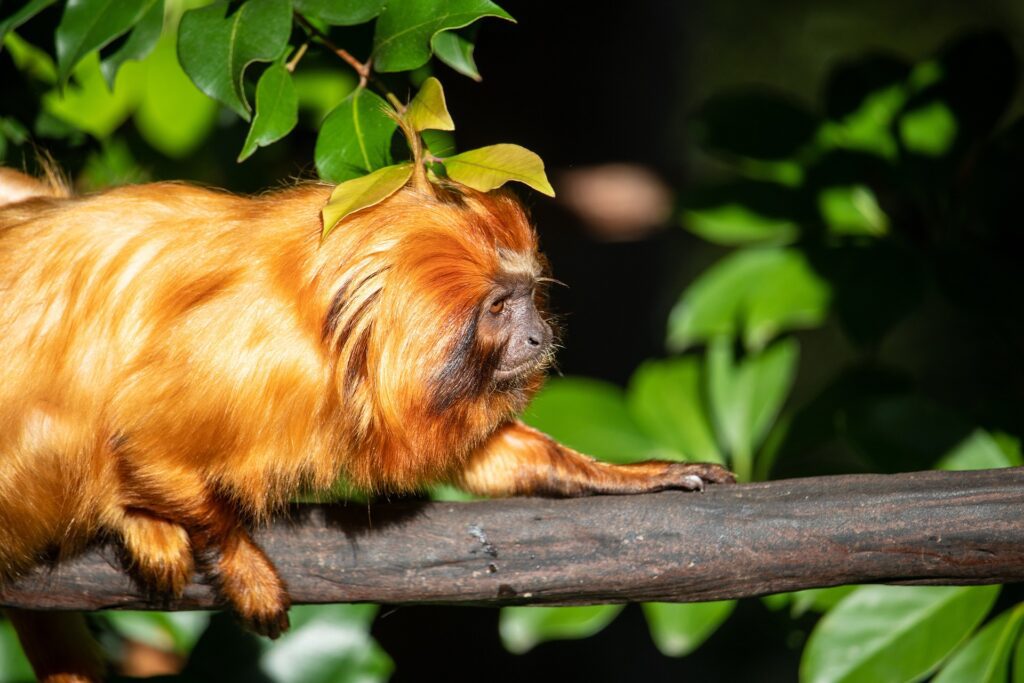
The golden lion tamarin — that small orange primate you see on the Brazilian 20-real bill — is native to the Atlantic Forest of Rio de Janeiro state. It came close to extinction in the 1970s, when fewer than 200 remained in the wild.
Thanks to decades of conservation work, the population has recovered to over 4,000 — one of the great success stories of Brazilian conservation. In the town of Silva Jardim, about two hours from Rio, a dedicated project continues this work today: recovering degraded forest and reintegrating golden lion tamarins back into the wild.
You won’t see them inside the city, but their story explains why the protected areas around Rio matter so much. Supporting responsible tourism — small groups, licensed guides, respect for the animals — is part of keeping that recovery going.
See Rio’s Wildlife with a Local Guide
Reading about wildlife is one thing. Standing quietly while a toucan lands ten meters away is another. Our private Wildlife Tour combines Tijuca Forest trails with boat access to the Pantanal Carioca — monkeys, exotic birds, capybaras, and caimans in one morning, with early departure when the animals are most active. Small groups only, maximum 4 guests, for minimal impact on the forest. Book your wildlife tour and see the wild side of Rio most visitors never discover.