What Makes This Tour Different
Most Rio tours focus on beaches, Christ the Redeemer, and Sugarloaf Mountain. They offer postcard views but miss the deeper history that shaped Brazil’s identity.
This Little Africa tour is built differently:
- Comprehensive Historical Journey – The only private tour covering Pedra do Sal, Valongo Wharf, MUHCAB and Instituto Pretos Novos in one immersive half-day. No other experience connects these sites into a single narrative of African heritage, resistance, and cultural creation.
- Private Experience – Personalized attention and flexible pacing mean you can spend more time at the museum exhibits that captivate you or ask questions without rushing. Unlike group tours with fixed schedules, your day adapts to your interests.
- Living Culture Access – Visit active cultural centers where Afro-Brazilian traditions continue today. The area served as a sanctuary where African-influenced religions like Candomblé and cultural traditions were preserved despite repression, and that spirit remains alive in every space you enter.
How Your Tour Unfolds
Morning Pickup Your private vehicle collects you from your hotel around 8:30-9:00 AM. During the drive to the port area, your guide introduces the history of Little Africa—explaining how this region, named by samba composer Heitor dos Prazeres, became the cultural heart of Afro-Brazilian Rio.
Historical Sites Exploration Your first stop is Valongo Wharf, where you’ll walk on the preserved stone paving uncovered during archaeological excavations in 2011. The site reveals layers of history: the original slave trade landing, the later construction of Empress Wharf to hide that history, and the modern rediscovery that earned UNESCO World Heritage status in 2017.
From there, you walk approximately 2 kilometers through the historic port region to Instituto Pretos Novos (IPN), an archaeological site and museum built over a 19th-century mass grave of enslaved Africans who died shortly after arrival. The New Blacks Cemetery, or Cemitério Pretos Novos, is considered the largest slave cemetery in the Americas, where between 20,000 to 30,000 enslaved individuals were buried. The internal tour takes roughly 50 minutes and offers a profound connection to those whose remains were discovered when the site was uncovered in 1996.
Cultural Immersion Next, you visit MUHCAB (Museu da História e da Cultura Afro-Brasileira), located in the José Bonifácio Cultural Center. This museum houses approximately 2,500 works—paintings, photographs, sculptures—with interactive displays covering the slave trade, abolition in 1888, and contemporary Afro-Brazilian identity. The Museum of New Blacks (Museu dos Pretos Novos) is dedicated to the memory of enslaved people who died upon arrival and were buried nearby.
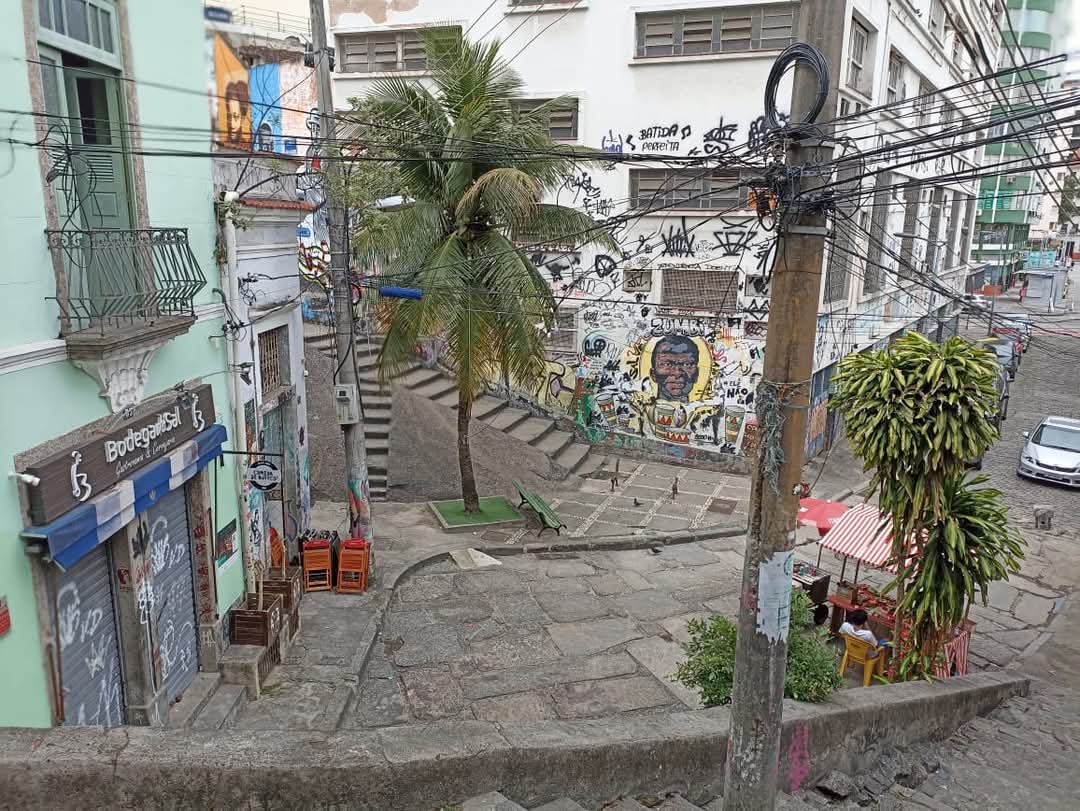
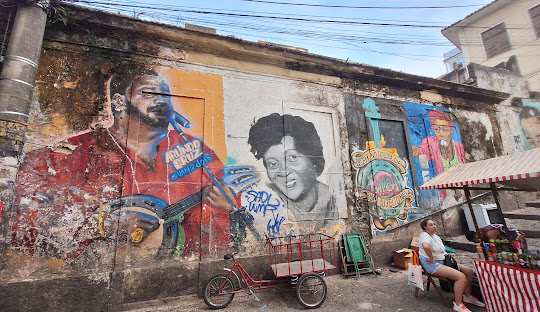
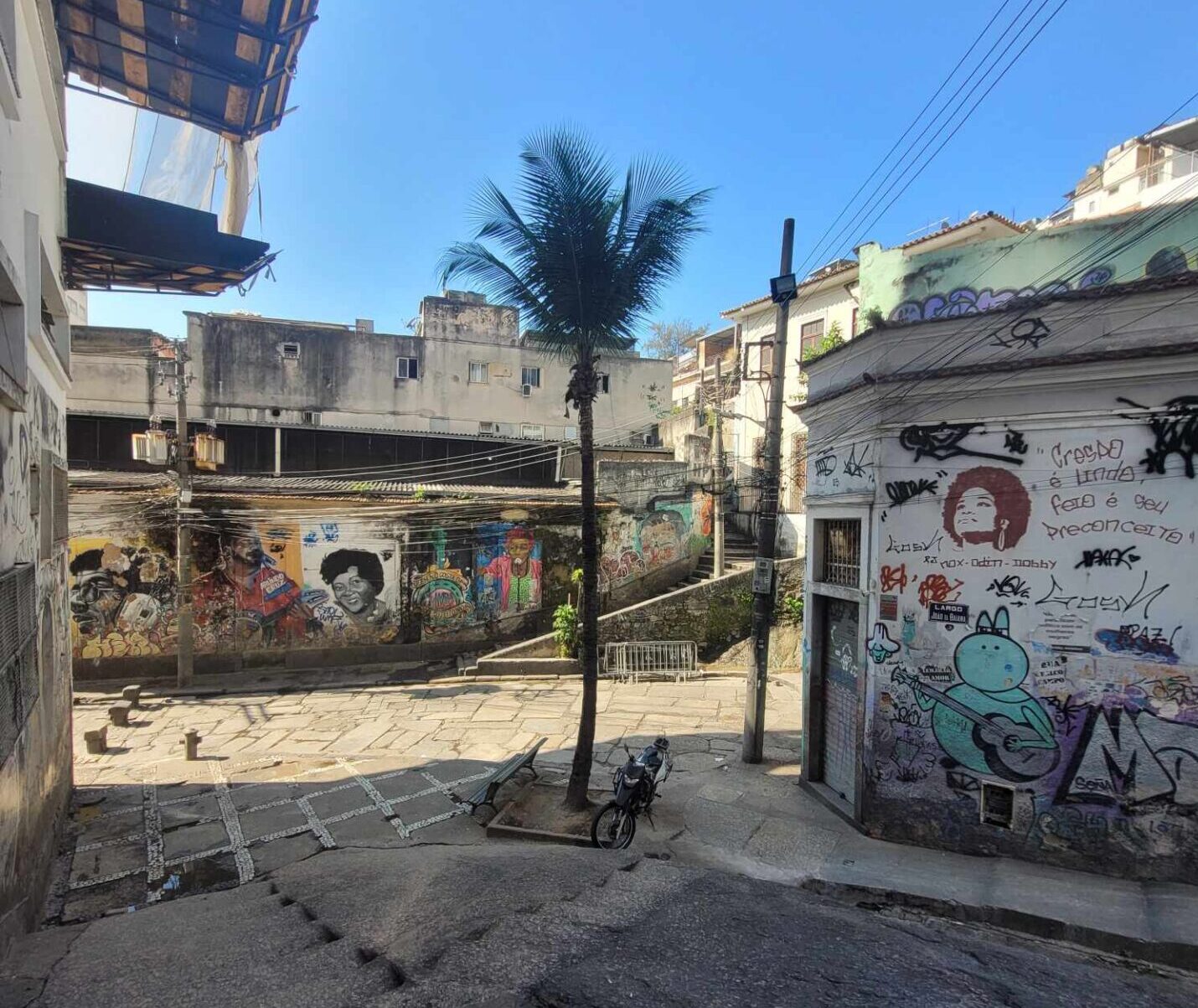
You’ll also explore Pedra do Sal, the stone landmark where freed and escaped Africans established an urban quilombo. The Church of Our Lady of the Rosary and Saint Benedict, located nearby, was a vital center for Afro-Brazilian social life and the site of Brazil’s first political protest in 1822. After the slave trade was outlawed, the surrounding area of Valongo Wharf became a haven for formerly enslaved people and migrants from Bahia, leading to the establishment of urban quilombos. The area of Little Africa was historically significant as it provided a cheap living space for many manumitted slaves from Bahia, who sought job opportunities related to the salt trade.
Return Journey By late afternoon, around 1:00 PM, your private vehicle returns you to your hotel, giving you time to reflect on a day that revealed the hidden Africa within Rio de Janeiro.
Who This Tour Is For
Culture and history enthusiasts seeking authentic experiences beyond typical tourist attractions will find this tour intellectually and emotionally rich. You’ll leave with a genuine understanding of how African heritage shaped Brazil.
Travelers interested in the transatlantic slave trade and its legacy will appreciate the archaeological depth and sensitive presentation at sites like Valongo Wharf and Instituto Pretos Novos.
Visitors who want meaningful cultural immersion rather than superficial sightseeing will connect with living traditions—understanding that the samba at Pedra do Sal occurs every Monday night and is known for its free admission, attracting both locals and tourists who wish to experience traditional samba music.
Anyone curious about Afro-Brazilian religions, music history, or the African origin of Brazilian traditions will find expert explanation of Candomblé, jongo, and samba de roda throughout the day.
On December 2, Brazil celebrates the National Day of Samba, with rituals at Pedra do Sal that include a cleaning of the rock and festivities attended by members of local samba and candomblé groups—a testament to how deeply these traditions remain woven into Rio’s identity.
Ready to Explore Rio’s African Soul?
Most visitors leave Rio de Janeiro having seen the beaches and the views. They miss the world beneath the surface—the buried history of Valongo Wharf, removed and covered for decades with the intention to hide Brazil’s role in the slave trade; the stone where samba was created; the warehouses where carnival dreams take shape.
This private tour offers what public group tours cannot: exclusive access, personal attention, and the time to truly understand how enslaved Africans built the culture Brazil is now famous for.
Contact us today to secure your date.
Professional, certified guides. Private transportation. An authentic cultural experience that reveals the Africa within Rio de Janeiro.

![Little Africa Rio de Janeiro Private Tour [4] rio city center walking tour](https://www.rioculturalsecrets.com/wp-content/uploads/2021/12/rio-city-center-walking-tour.jpg "Little Africa Rio de Janeiro Private Tour [5] rio city center walking tour")
![Little Africa Rio de Janeiro Private Tour [6] wildlife tour of rio de janeiro](https://www.rioculturalsecrets.com/wp-content/uploads/2025/07/wildlife-tour-of-rio-de-janeiro.avif "Little Africa Rio de Janeiro Private Tour [7] wildlife tour of rio de janeiro")
![Little Africa Rio de Janeiro Private Tour [8] tour tijuca forest and botanical garden](https://www.rioculturalsecrets.com/wp-content/uploads/2024/05/tour-tijuca-forest-and-botanical-garden.jpg "Little Africa Rio de Janeiro Private Tour [9] tour tijuca forest and botanical garden")
![Little Africa Rio de Janeiro Private Tour [10] urban art rio street art scene](https://www.rioculturalsecrets.com/wp-content/uploads/2025/07/urban-art-rio-street-art-scene.jpg "Little Africa Rio de Janeiro Private Tour [11] urban art rio street art scene")
![Little Africa Rio de Janeiro Private Tour [12] Private tour santa teresa rio de janeiro scaled](https://www.rioculturalsecrets.com/wp-content/uploads/2026/08/Private-tour-santa-teresa-rio-de-janeiro-scaled.jpg "Little Africa Rio de Janeiro Private Tour [13] Private tour santa teresa rio de janeiro scaled")
![Little Africa Rio de Janeiro Private Tour [14] half day tours of rio de janeiro 1](https://www.rioculturalsecrets.com/wp-content/uploads/2021/12/half-day-tours-of-rio-de-janeiro-1.jpg "Little Africa Rio de Janeiro Private Tour [15] half day tours of rio de janeiro 1")