This 4-hour private samba tour delivers an insider’s journey through Rio’s samba culture, from humble Afro-Brazilian origins to the dazzling spectacle of modern Carnival. Your passionate local guide provides round-trip transportation in a private air-conditioned vehicle, sharing samba history, legendary musicians’ stories, and cultural insights throughout the experience.
Tour operates daily and welcomes music enthusiasts, culture lovers, and anyone curious about the soul of Brazilian celebration. Whether you’re a Carnival fan seeking deeper understanding or simply want to experience authentic Rio culture, this tour adapts to your interests and curiosity.
What to bring: Comfortable walking shoes, camera, sunscreen, hat, water, and your dancing spirit. The tour includes moderate walking and opportunities to experience samba rhythms firsthand. No dance experience necessary—samba is about feeling the music, not perfect technique.
Accessibility options: Most locations are wheelchair accessible, including Cidade do Samba and Sambódromo. Pedra do Sal involves some slopes and stairs, but we can adapt the visit for visitors with mobility limitations. Contact us before booking to discuss specific accessibility needs.
Pedra do Sal: Where Samba Was Born
Your samba journey begins at the source—Pedra do Sal (Salt Rock), the massive granite outcrop in the Port Zone’s Little Africa district where samba was born over 150 years ago. After abolition in 1888, freed Afro-Brazilian dock workers gathered here after shifts, bringing African rhythms, percussion instruments, and cultural traditions that had survived slavery.
Standing at Pedra do Sal, your guide explains how African batuques (drum circles) merged with Portuguese influences and Brazilian creativity to create samba—a uniquely Brazilian music genre that became the nation’s cultural signature. The rock itself symbolizes Afro-Brazilian resistance and cultural preservation, transforming from a utilitarian salt storage area into sacred ground for Brazilian music history.
The Birth of Samba: In the early 1900s, this neighborhood hosted legendary gatherings where samba pioneers like Tia Ciata, João da Baiana, Donga, Pixinguinha, and Sinhô improvised rhythms, created melodies, and developed the samba style that would conquer Brazil and eventually the world. Your guide shares stories of these musical revolutionaries who transformed persecuted “criminal” African drumming into Brazil’s most celebrated art form.
Living Tradition: Every Monday and Friday evening, traditional rodas de samba (samba circles) still happen at Pedra do Sal, continuing unbroken traditions from the 1870s. While your daytime tour won’t coincide with evening sessions, your guide explains the significance and encourages you to return for this magical experience. The spontaneous music, dancing, and community spirit represent samba in its purest form—joy, improvisation, and connection.
Casa da Tia Ciata: The Mother of Samba
From Pedra do Sal, visit the historic site of Casa da Tia Ciata (Aunt Ciata’s House), one of Brazilian music’s most sacred locations. Hilária Batista de Almeida, known as Tia Ciata, was a Bahian woman who moved to Rio and became the spiritual and cultural mother of samba. Her home in Little Africa hosted legendary gatherings in the early 1900s where samba evolved from informal African rhythms into structured musical compositions.
The Legendary Gatherings: Tia Ciata’s house became neutral ground where Afro-Brazilians from different African ethnic backgrounds—Yoruba, Kongo, Angolan—came together, bringing their distinct musical traditions. In her home’s front rooms, they played polite choro music for visiting police and authorities. In the backyard, they practiced Candomblé religious ceremonies and played raw African batuques. The kitchen became the creative laboratory where these traditions merged into samba.
“Pelo Telefone”: The first recorded samba, “Pelo Telefone” (1917), was composed collectively at Tia Ciata’s gatherings by Donga, Mauro de Almeida, and others. This historic recording transformed samba from oral tradition into commercial music, launching the genre’s journey from persecuted favela culture to national identity.
Your guide explains Tia Ciata’s crucial role not just as hostess but as spiritual leader (Candomblé priestess), cultural preserver, and community organizer who used food, music, and spirituality to strengthen Afro-Brazilian identity during a period of intense racism and persecution following abolition. While the original house no longer stands, the site is marked and honored as the birthplace of samba as we know it today.
Cidade do Samba: Where Carnival Magic is Created
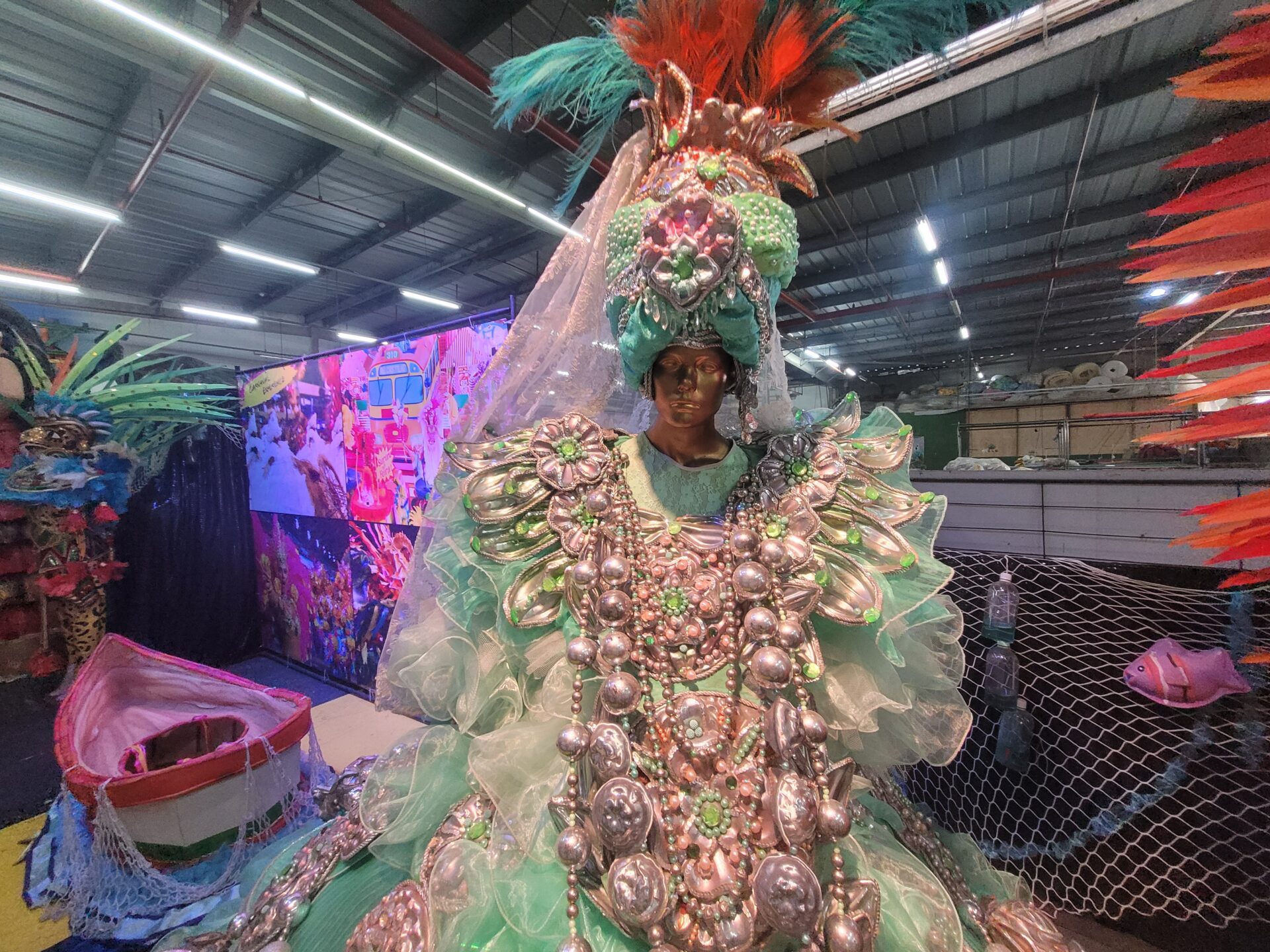
Next, experience the spectacular Cidade do Samba (Samba City), a massive industrial complex where Rio’s top samba schools design, build, and store their elaborate Carnival floats and costumes. This 12,000 square meter facility features individual ateliers (workshops) for major samba schools like Mangueira, Portela, Salgueiro, São Clemente, and Unidos da Tijuca.
Behind-the-Scenes Carnival Creation: Walk through enormous warehouses where artists, sculptors, seamstresses, and craftspeople spend the entire year preparing for the 80-minute parade performance each samba school presents at the Sambódromo. Witness the incredible scale of Carnival production—floats up to 13 meters tall and 70 meters long, costumes with thousands of hand-sewn crystals and feathers, massive sculptures and mechanical elements requiring months of labor.
Artisan Workshops: Depending on timing, you may see artisans actively working: sculptors shaping Styrofoam into fantastic figures, painters creating vibrant decorations, seamstresses assembling elaborate costumes, carpenters building float structures, and designers planning next year’s themes. The creative energy and dedication to producing Carnival’s visual spectacle becomes tangible.
Samba School Culture: Your guide explains samba school organization—these are community institutions from Rio’s favelas and working-class neighborhoods, not professional companies. Thousands of volunteers from each community dedicate their year to creating their school’s parade, competing for championship titles with fierce pride. Understanding this community connection reveals why Carnival isn’t just entertainment—it’s cultural expression, neighborhood identity, and collective achievement.
Interactive Experience: Cidade do Samba often offers opportunities to try on Carnival costumes, take photos with floats, watch samba dance demonstrations, and sometimes even join percussion workshops where you learn basic samba rhythms on authentic instruments. The visit transforms Carnival from distant spectacle into accessible cultural experience.
Sambódromo: The Cathedral of Samba
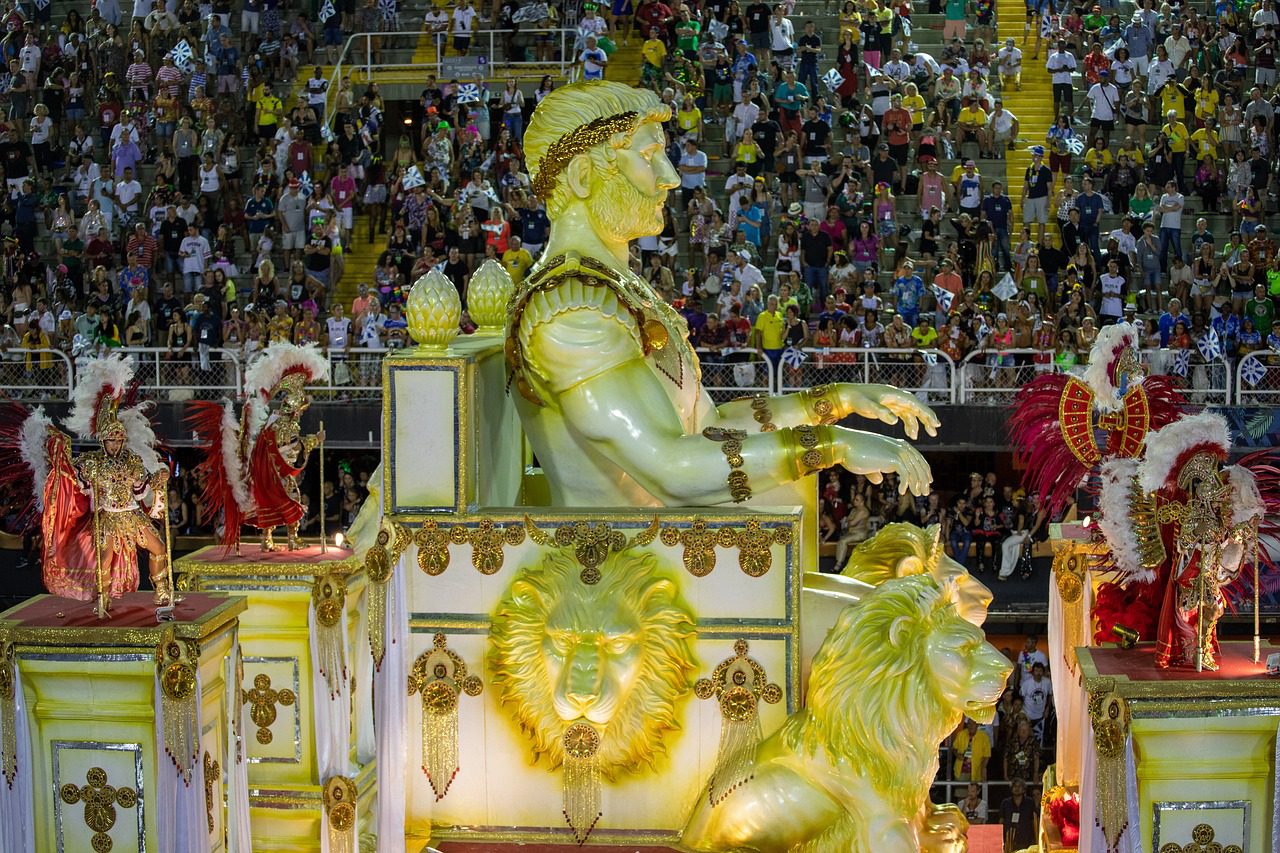
Your tour concludes at the Sambódromo Marquês de Sapucaí, the purpose-built stadium where Rio’s Carnival samba parade happens each February. Designed by renowned architect Oscar Niemeyer and inaugurated in 1984, this 700-meter-long parade avenue accommodates 90,000 spectators who witness the world’s greatest popular spectacle.
Championship Drama: Your guide explains how Carnival parade works—each of Rio’s top-tier samba schools (Grupo Especial) gets exactly 65-82 minutes to parade from start to finish. Judges evaluate eight categories including percussion, samba song, harmony, costumes, floats, and overall theme coherence. The competition is fierce, with championship titles bringing immense pride and relegation to lower divisions bringing heartbreak.
Cultural Significance: The Sambódromo represents samba’s journey from persecuted Afro-Brazilian culture to UNESCO Intangible Cultural Heritage status (2005). What began in Tia Ciata’s backyard and at Pedra do Sal gatherings now fills a massive stadium watched by millions globally. This evolution from grassroots resistance to national symbol embodies Brazil’s complex racial and cultural history.
What’s Included
- Expert bilingual guide (samba culture specialist)
- Hotel pickup and drop-off (South Zone hotels; consult for other areas)
- Private tour (exclusively your group)
- Round-trip transportation by private air-conditioned vehicle
- Cidade do Samba entrance and guided tour
- Sambódromo visit and explanation
- All transportation costs, parking, and tolls
What’s Excluded
- Food and drinks beyond provided water
- Optional costume try-on fees (usually minimal if applicable)
- Gratuities (optional)
- Personal expenses and souvenirs
Duration
4 hours (flexible timing: typically 9:00 PM – 1:00 PM or can be customized)
Schedule
Daily tours Monday to Saturday
Starts fromUSD $220
Private tour pricing means total cost regardless of group size (1-4 people pay the same rate). Perfect for couples, families, friends, or solo travelers seeking authentic samba culture.
All bookings with Rio Cultural Secrets may be cancelled up to 7 days before the scheduled date for a full refund. Cancellations made after this period are not eligible for refund or credit, unless the cancellation results from an unforeseeable event such as government-imposed travel restrictions, war, civil unrest, strikes, extreme weather, earthquakes, natural disasters, or situations where a cruise ship cannot dock or a flight to your destination is cancelled.
Please note that unforeseeable events do not include personal or family illness or injury, poor weather conditions, or changes in personal plans.
We recommend purchasing travel insurance to protect your investment.

![Rio de Janeiro Samba Tour | Carnival Experience & Samba Heritage [3] samba in rio de janeiro](https://www.rioculturalsecrets.com/wp-content/uploads/2023/06/samba-in-rio-de-janeiro.jpg "Rio de Janeiro Samba Tour | Carnival Experience & Samba Heritage [4] samba in rio de janeiro")
![Rio de Janeiro Samba Tour | Carnival Experience & Samba Heritage [6] street art tour rio de janeiro 1](https://www.rioculturalsecrets.com/wp-content/uploads/2025/07/street-art-tour-rio-de-janeiro-1.jpg "Rio de Janeiro Samba Tour | Carnival Experience & Samba Heritage [7] street art tour rio de janeiro 1")
![Rio de Janeiro Samba Tour | Carnival Experience & Samba Heritage [8] rio express highlights](https://www.rioculturalsecrets.com/wp-content/uploads/2025/10/rio-express-highlights.jpg "Rio de Janeiro Samba Tour | Carnival Experience & Samba Heritage [9] rio express highlights")
![Rio de Janeiro Samba Tour | Carnival Experience & Samba Heritage [10] wildlife tours rio de janeiro](https://www.rioculturalsecrets.com/wp-content/uploads/2023/08/wildlife-tours-rio-de-janeiro.jpg "Rio de Janeiro Samba Tour | Carnival Experience & Samba Heritage [11] wildlife tours rio de janeiro")
![Rio de Janeiro Samba Tour | Carnival Experience & Samba Heritage [12] half day tours of rio de janeiro](https://www.rioculturalsecrets.com/wp-content/uploads/2021/12/half-day-tours-of-rio-de-janeiro.jpg "Rio de Janeiro Samba Tour | Carnival Experience & Samba Heritage [13] half day tours of rio de janeiro")
![Rio de Janeiro Samba Tour | Carnival Experience & Samba Heritage [14] rio de janeiro street food tour](https://www.rioculturalsecrets.com/wp-content/uploads/2025/10/rio-de-janeiro-street-food-tour.jpg "Rio de Janeiro Samba Tour | Carnival Experience & Samba Heritage [15] rio de janeiro street food tour")
![Rio de Janeiro Samba Tour | Carnival Experience & Samba Heritage [16] private tours in rio de janeiro](https://www.rioculturalsecrets.com/wp-content/uploads/2021/12/private-tours-in-rio-de-janeiro.jpg "Rio de Janeiro Samba Tour | Carnival Experience & Samba Heritage [17] private tours in rio de janeiro")