


February 14, 2025

A Guide to Rio’s Botanical Gardens: Flora, Fauna, and Photography Tips
Explore Botanical Gardens Rio De Janeiro: Nature’s Hidden Gems
Nestled in the heart of Rio de Janeiro, the Botanical Garden or Jardim Botânico—also known as the Rio Botanical Gardens—is located in the South Zone of the city, at the foot of Corcovado Mountain, where the park lies beneath the iconic Christ the Redeemer statue, with the garden situated near the statue’s right arm as a point of orientation. Founded in 1808 by King John VI of Portugal, the garden was originally intended for the acclimatization of spices from the West Indies. Opened to the public in 1822, it now spans 54 hectares (130 acres) and features around 6,500 species of plants. In 1992, the garden was designated as a UNESCO biosphere reserve, highlighting its ecological significance and status as a national treasure. The diversity of Brazilian and foreign flora, including tropical and subtropical plants and rare foreign flora, is a highlight for visitors. Whether you are looking to explore the lush greenery, discover exotic wildlife, or capture breathtaking photographs, this guide will help you make the most of your visit. For those seeking more of Rio’s vibrant culture, Copacabana Beach is also a nearby attraction worth exploring.
How much does it cost to go to the Rio Botanic Garden?
- Opening Hours: The gardens are open during daylight hours daily from 8:00 AM to 5:00 PM (last entry at 4:30 PM).
- Tickets:
- Adults: R$67
- Students, seniors, and children: Discounted rates available
- Free entry on the last Tuesday of every month for Brazilian residents
- Tickets can be purchased online or at the entrance.
A Brief History
Founded in 1808, the Rio de Janeiro Botanical Garden was originally intended for acclimating spices such as nutmeg and cinnamon brought from the East Indies. The garden was established on the site of an old gunpowder factory, which is still preserved as a historical monument within the grounds. Over the centuries, it has grown into one of the most important botanical research centers in the world. It is recognized as a UNESCO Biosphere Reserve and continues to be a major center for conservation and botanical studies. The garden has undergone several transformations, expanding its collections and research programs, and now houses monuments of historical and artistic value. It is also home to the most complete library and a complete library of botanical literature in Brazil, supporting its research and conservation efforts, making it a key player in the global effort to conserve biodiversity.
Early Development and Royal Influence
The initial establishment of the garden was part of King John VI’s broader efforts to modernize Brazil’s agricultural and scientific knowledge. As the garden grew, it became a hub for botanists and researchers who contributed to its extensive plant collections. Many plants were imported from different parts of the world, further enriching the biodiversity of the gardens, and the garden became a model for a country specializing in botanical research and conservation.
Conservation and Modern Research
Today, the Rio Botanical Garden is an internationally recognized institution that plays a vital role in plant conservation. Research efforts focus on endangered species, sustainable gardening techniques, and the effects of climate change on tropical flora. The garden collaborates with universities and conservation organizations worldwide, ensuring that its collections and expertise contribute to global biodiversity conservation efforts.
Highlights of the Botanical Garden of Rio de Janeiro
1. The Avenue of Royal Palms
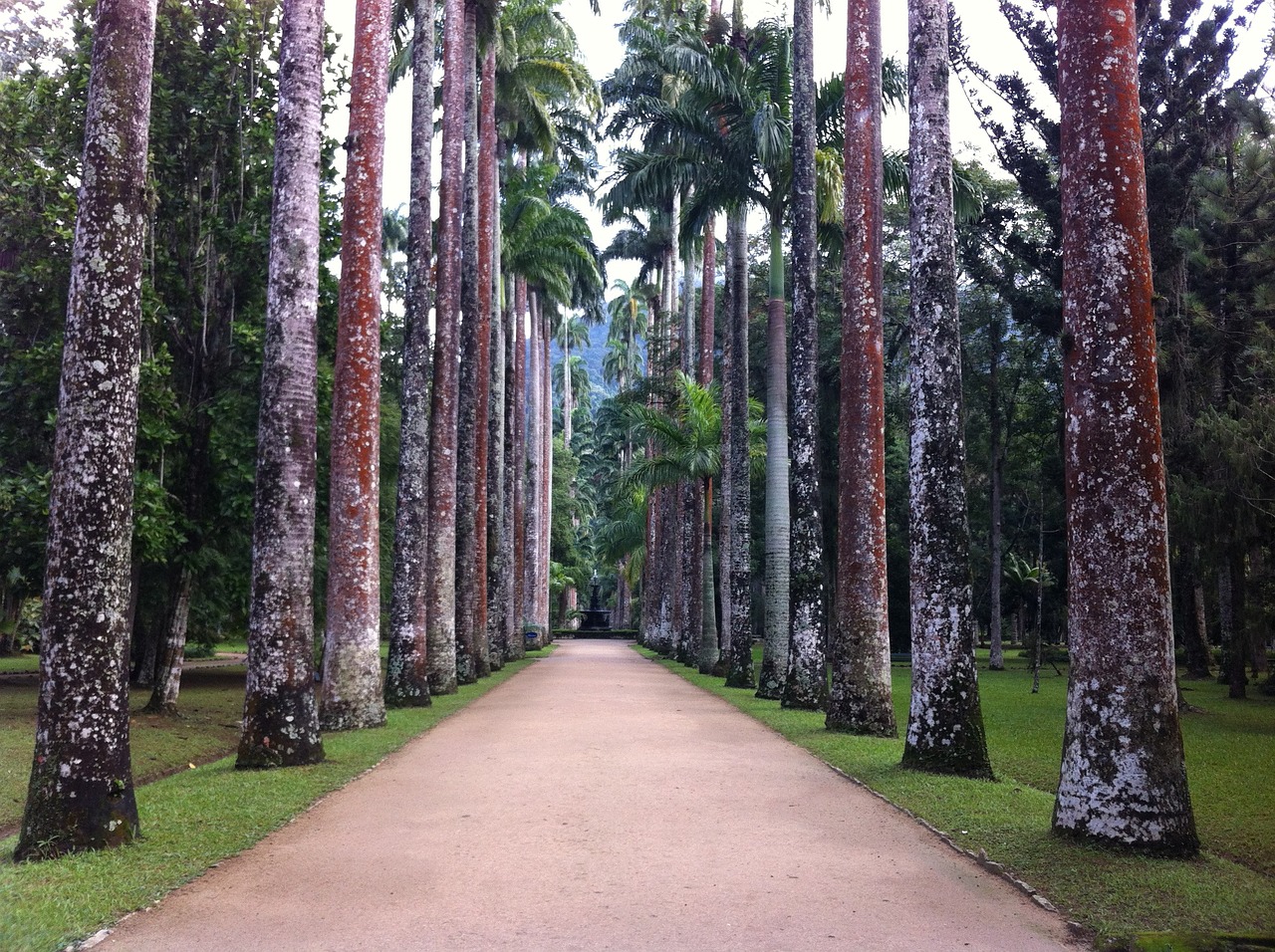
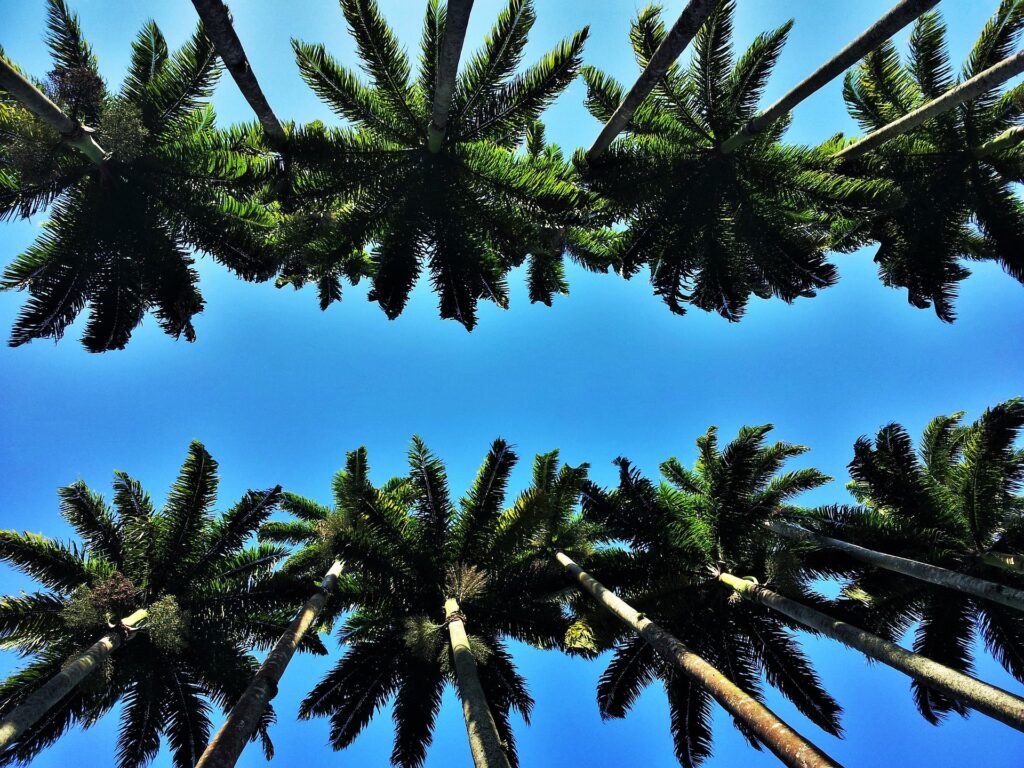
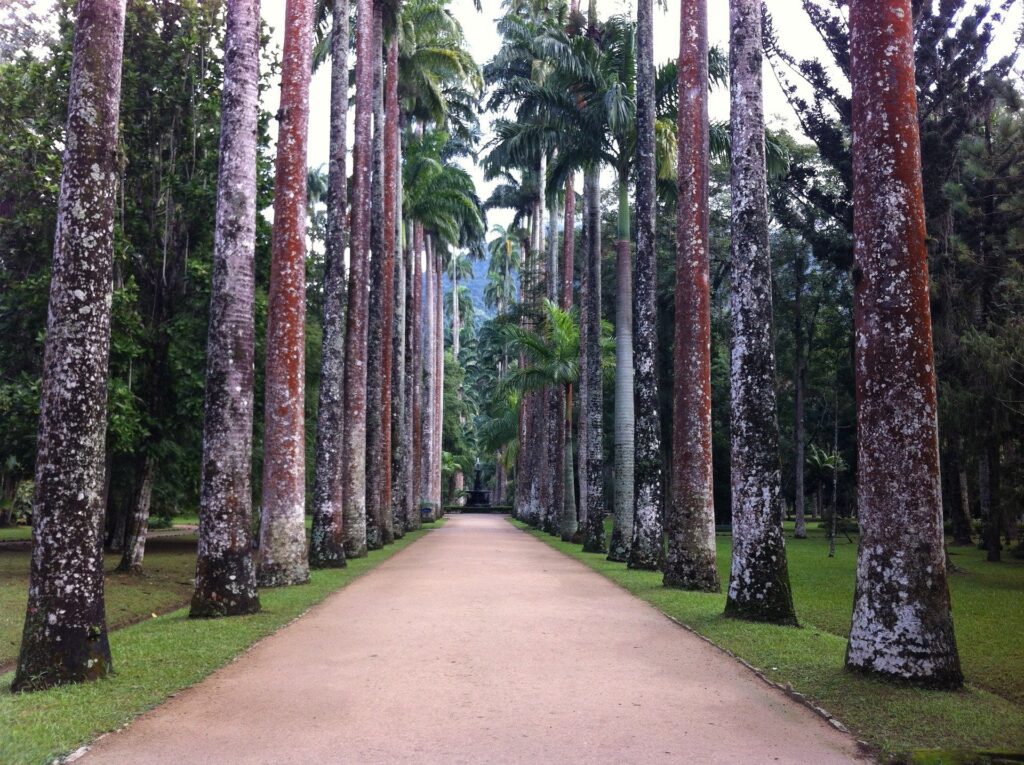
This iconic pathway, lined with towering imperial palm trees, is one of the grand alleys of the garden and one of the most photographed locations. Originally planted in the 19th century, the avenue is famous for its royal palms leading visitors into the heart of the gardens. All the palms in this avenue are descendants of a single tree, the legendary Palma Mater.
2. Amazon Rainforest Greenhouse
Experience the lush biodiversity of the Amazon within this enclosed exhibit, one of the numerous greenhouses found throughout the Rio Botanical Garden, featuring rare orchids, giant Victoria water lilies, and exotic bromeliads. The controlled environment mimics the humid conditions of the rainforest, allowing visitors to see species that thrive in Brazil’s tropical ecosystem.
3. Orchidarium
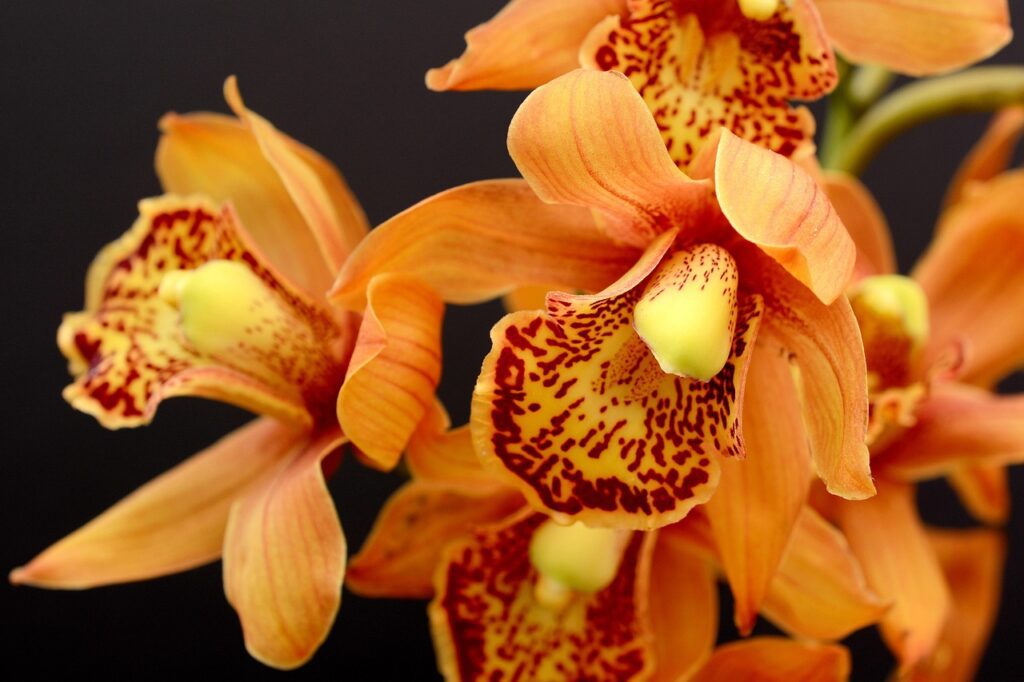
A haven for orchid lovers, this greenhouse showcases over 600 species of orchids in a vibrant display of colors and fragrances. Many of these orchids are native to Brazil and are carefully cultivated for research and conservation.
4. Japanese Garden
A peaceful retreat within the gardens, this section was a gift from the Japanese government in 1935. It features koi ponds, bonsai trees, and traditional Japanese sculptures, providing a serene escape amidst the tropical foliage.
5. Wildlife Spotting
Beyond its plants, the botanical gardens are home to various animals, including capuchin monkeys, toucans, sloths, and colorful butterflies. Early mornings and late afternoons are the best times to spot these creatures in their natural habitat.
Interesting Facts
- The garden houses one of the oldest libraries dedicated to botany, containing over 32,000 volumes.
- The famous Avenue of Royal Palms originated from a single palm, the Palma Mater, which no longer exists but has left behind a lasting legacy.
- Over 140 bird species can be found within the gardens, making it a prime location for birdwatching enthusiasts.
- The gardens include medicinal plants and species traditionally used in Brazilian folk medicine, offering a fascinating look into the cultural significance of local flora.
- The iconic Fountain of the Muses is an artistic fountain featuring statues that represent poetry, music, science, and art, showcasing the garden’s rich artistic and cultural heritage.
- Visitors will also find various artistic statues and features throughout the garden, adding to its historical and aesthetic appeal.
Photography Tips
Best Times for Photography
- Golden Hour: Arrive early in the morning or late in the afternoon for the best natural lighting.
- Avoid Midday Sun: Harsh lighting can create strong shadows and overexposed images.
Composition Ideas
- Frame with Foliage: Use leaves and flowers in the foreground to add depth to your shots.
- Leading Lines: The Avenue of Royal Palms is a perfect example of a natural leading line.
- Close-ups: Capture the intricate details of orchids, bromeliads, and exotic flowers using a macro lens.
Wildlife Photography
- Bring a zoom lens to capture birds and animals without disturbing them.
- Be patient—some of the best shots come from waiting and observing.
Architectural Photography
The gardens also feature historical buildings, such as the Research Institute and the Greenhouse structures. Capturing the fusion of architecture and nature provides a unique perspective on the garden’s aesthetic and historical significance.
Sustainable Tourism Tips
When visiting the Rio Botanical Garden park, an important protected natural area, consider the following eco-friendly practices:
- Stay on Designated Paths: Help protect fragile plant life by walking only on marked trails.
- Respect Wildlife: Avoid feeding animals or disturbing their natural behaviors.
- Limit Plastic Use: Bring a reusable water bottle and avoid single-use plastics.
- Support Conservation Efforts: Consider making a donation or purchasing items from the gift shop to support the garden’s research and maintenance efforts.
A visit to Rio’s Botanical Gardens park offers an unforgettable experience for nature enthusiasts, history lovers, and photographers alike. Whether you’re strolling through the towering palms, admiring exotic orchids, or snapping stunning photos, this lush oasis is a must-see destination in Rio de Janeiro. Plan your visit ahead, bring your camera, and immerse yourself in the natural beauty of this incredible landmark. With its rich history, vibrant biodiversity, and breathtaking scenery, the Jardim Botânico remains a treasured gem of Brazil’s natural heritage.
Discover Botanical Garden on a Private Tour
Rio Cultural Secrets offers exclusiveprivate tours to Rio de Janeiro’s stunning Botanical Garden, a hidden gem filled with rich biodiversity and history. Many visitors choose a hotel near the botanical gardens for easy access and a more immersive experience. Guests can explore lush tropical landscapes, rare plant species, and serene walking paths while learning about Brazil’s unique flora. With expert guides providing insightful commentary, visitors gain a deeper appreciation for this natural sanctuary, making for a truly immersive and personalized experience.