

5 Brazilian Desserts to Try in Rio de Janeiro
Ask any Carioca about their childhood and, sooner or later, someone will mention a sweet. The brigadeiro rolled at a cousin’s birthday. The cocada a vendor sold on the sand in Copacabana. The pé de moleque that showed up every June at the neighborhood festa junina.
We at Rio Cultural Secrets have been guiding travelers through this city since 2012, and we can tell you one thing for sure: Brazilian desserts are not an afterthought here. They are part of how we celebrate, how we visit friends and how we end a long lunch. Most of them were born in colonial kitchens, where Portuguese convent recipes met African and Indigenous ingredients like coconut, peanuts and sugarcane.
Below are the five sweets we always tell our guests to try, what each one tastes like, and where locals actually go to find them. Fair warning: Brazilians like their sweets very sweet. Pair them with a strong cafezinho and you’ll understand why.
1. Brigadeiro: Brazil’s Unofficial National Sweet
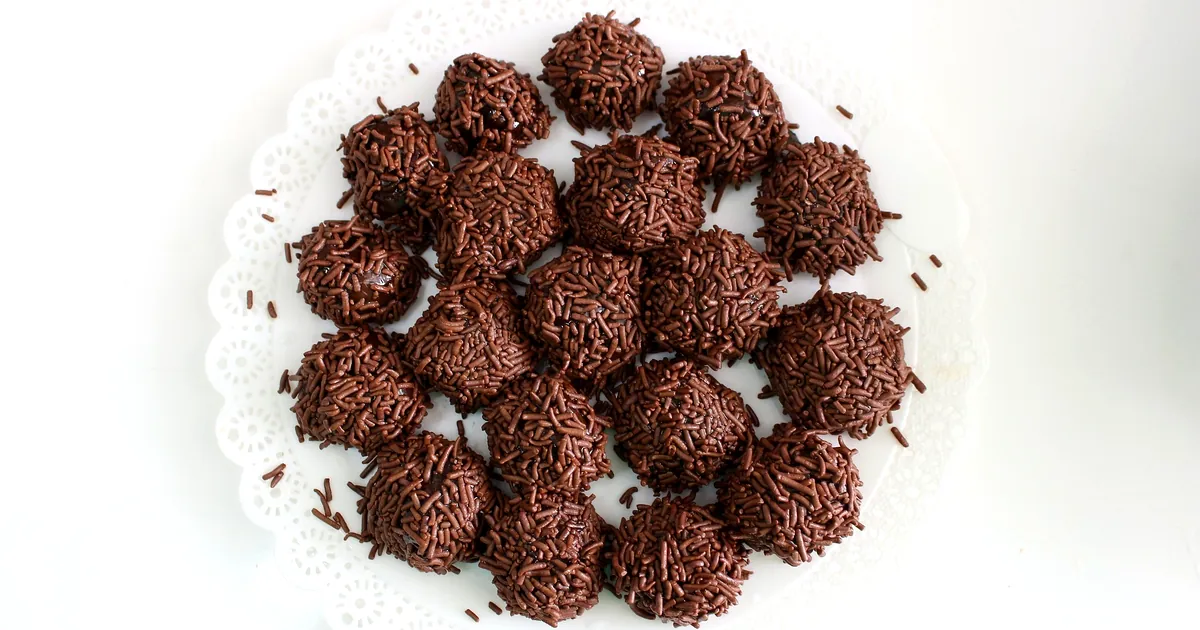
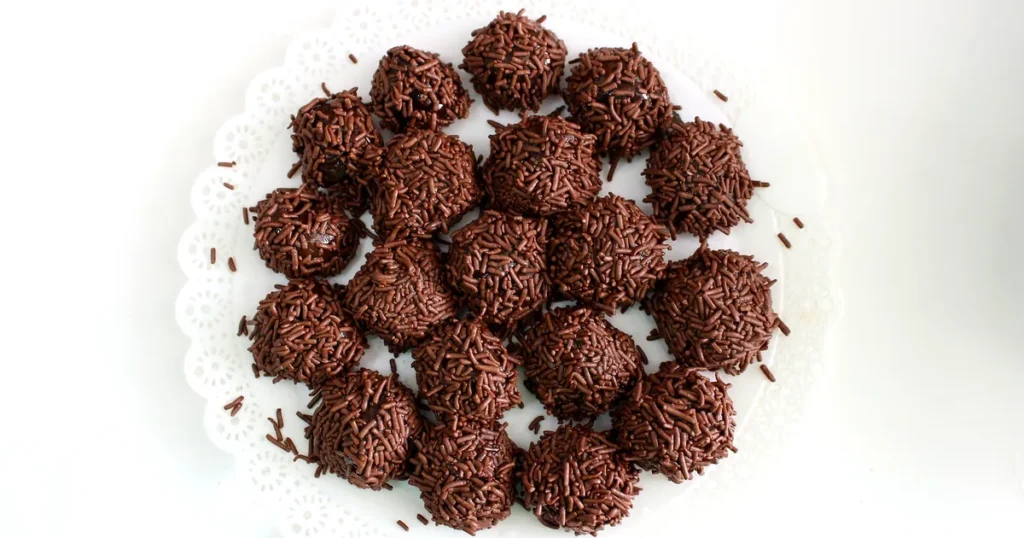
If you only try one Brazilian dessert, make it a brigadeiro. It’s a small chocolate bonbon made by slowly cooking condensed milk, cocoa and butter until it pulls away from the pan, then rolling it into balls and coating it in chocolate sprinkles.
The texture is the surprise. It isn’t a truffle and it isn’t fudge. It’s soft, chewy and almost sticky, closer to a caramel that decided to become chocolate.
Born in Rio, with a political past. The brigadeiro was created in 1945 by Heloísa Nabuco de Oliveira, a confectioner from a traditional Carioca family, to support the presidential campaign of Air Force Brigadier Eduardo Gomes. It was the first national election in which Brazilian women could vote, and women sold the sweets to raise funds. Gomes lost, but the candy won the country.
How Cariocas eat it. No Brazilian birthday party is complete without trays of brigadeiros in little paper cups. In recent years Rio has also embraced the “gourmet” brigadeiro, made with Belgian chocolate and flavors like pistachio, passion fruit or cachaça.
Where to try it in Rio: in Copacabana, Catharina and Fornalha are both open 24 hours, so a late-night brigadeiro after dinner is always an option. You’ll also find brigadeiros easily in cafés across the city, including the famous Confeitaria Colombo. For a homemade style, ask for brigadeiro de colher, served in a small pot and eaten with a spoon.

2. Quindim: The Golden Custard with a Coconut Base
Quindim is the most beautiful sweet on this list. It’s a small, glossy, bright-yellow dome made from egg yolks, sugar and grated coconut. When it bakes in a water bath, the coconut sinks to form a chewy base while the top sets into a smooth, shiny custard.
The flavor is rich and eggy, with a gentle coconut finish. One is usually enough, and we mean that as a compliment.
Portuguese convents meet Brazilian coconut. Portuguese nuns were famous for desserts built on egg yolks, since the whites were used to starch clothes and clarify wine. In colonial Brazil, cooks swapped the almonds of the original recipes for local coconut, and quindim was born. The name itself is believed to come from an African language, a reminder of who was really doing the cooking in those kitchens.
Where to try it in Rio: quindim is easy to find in cafés and confeitarias around the city, and Confeitaria Colombo is the classic choice. A large version baked in a ring mold, called quindão, is often sold by the slice. Look for a deep yellow color and a glossy top; a pale, dull quindim is a sign of a shortcut recipe.
3. Cocada: The Beach Sweet
Cocada is coconut and sugar cooked together until thick, then cut into squares or dropped in small mounds to set. It’s simple, honest and very Brazilian. Depending on the recipe, it can be soft and creamy or firm and chewy.
There are two main styles to know:
- Cocada branca (white): made with fresh coconut and white sugar, sometimes condensed milk. Mild and milky.
- Cocada queimada (“burnt”): the sugar is caramelized first, giving a darker color and a deeper, toasty flavor.
You’ll also see versions mixed with passion fruit, pineapple, peanuts or chocolate.
Why it matters here. Coconut palms line much of the Brazilian coast, and cocada is especially tied to Bahia’s Afro-Brazilian food culture. In Rio, it became part of beach life.
Where to try it in Rio: on the sand, from vendors who walk Copacabana, Ipanema and Leblon with trays of homemade cocada. Buying one between swims is a very Carioca thing to do. For more flavors to choose from, head to Casa Pedro, a traditional shop with several branches in Copacabana.
4. Pé de Moleque: Peanut Brittle with a Funny Name
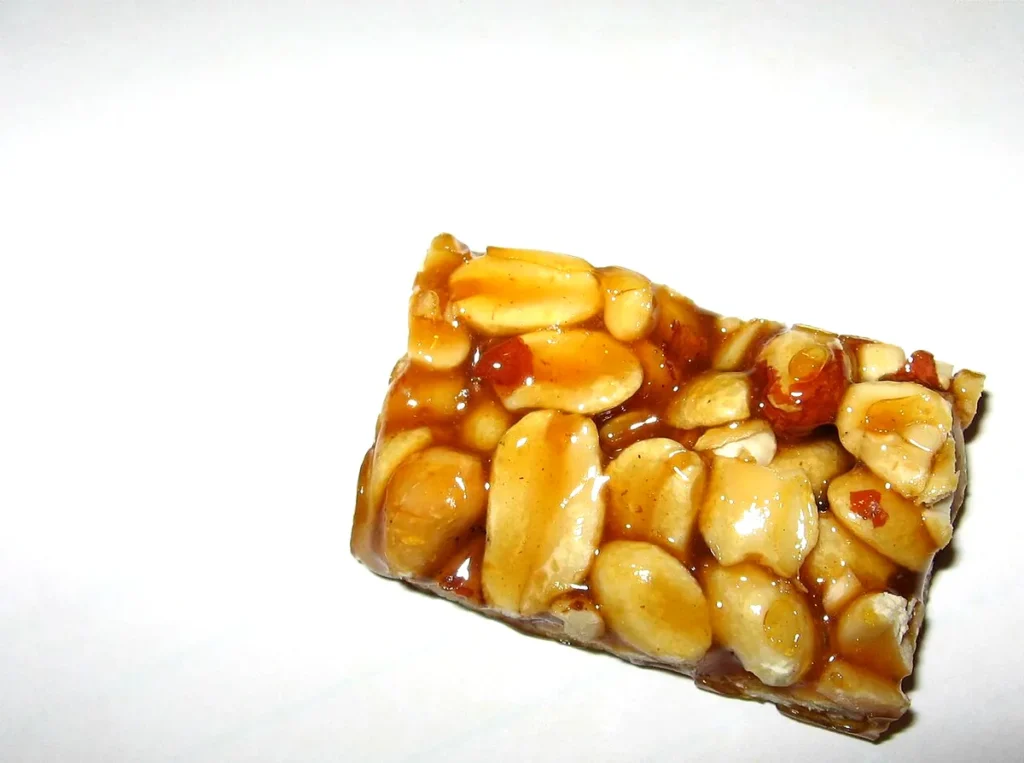
Pé de moleque translates roughly as “street kid’s foot,” and yes, Brazilians find the name as amusing as you do. It’s a peanut sweet made with roasted peanuts and rapadura, a raw sugarcane block, or brown sugar.
There are two textures. The crunchy style looks like a rustic peanut brittle. The softer style, common in some regions, is chewy and almost creamy. Both carry the dark, molasses-like flavor of cane sugar.
Where the name comes from. Nobody knows for sure. One popular story says that women selling the sweet on the street told hungry boys “pede, moleque!” (“ask, kid!”) instead of letting them grab a piece. Another compares the bumpy surface to a kid’s dusty bare foot. Pick the version you like best.
When to eat it. Pé de moleque is the star of the festas juninas, the June and July winter festivals that celebrate rural Brazil with bonfires, square dancing and plenty of corn and peanuts. If you visit Rio in those months, you’ll see it everywhere.
Where to try it in Rio: Casa Pedro, with several branches in Copacabana, is our go-to for pé de moleque, right next to the cocadas. Wrapped pieces are also sold in padarias and supermarkets all year.
5. Casadinho: The “Married” Sweet
Casadinho means “little married one,” and the idea is always the same: two things joined together that are better as a couple. In Rio, the name usually refers to a party sweet that marries a dark brigadeiro with a white beijinho, the coconut version of the brigadeiro, rolled together into one two-tone ball.
The result is half chocolate, half coconut, and it shows up at the same birthday and wedding tables as the classic brigadeiro.
Don’t confuse it with the bem-casado, a soft sponge cake filled with doce de leite and wrapped in fabric or paper, which couples traditionally give to wedding guests as a wish for a happy marriage.
Where to try it in Rio: Catharina and Fornalha in Copacabana both sell casadinhos and stay open 24 hours. Party-sweet makers (doceiras) across the city make them too.
Where to Taste Brazilian Sweets in Rio: Our Quick Guide
Sweet | Where to find it | Best time |
|---|---|---|
Brigadeiro | Catharina and Fornalha (Copacabana, 24h), Confeitaria Colombo, cafés | Any time, even late at night |
Quindim | Confeitaria Colombo, cafés and confeitarias | Afternoon coffee |
Cocada | Beach vendors, Casa Pedro (Copacabana) | A beach day |
Pé de moleque | Casa Pedro (Copacabana), padarias | Any time; everywhere in June and July |
Casadinho | Catharina and Fornalha (Copacabana, 24h) | Parties, or just because |
Our tips from 14 years of guiding:
- Go for a lanche da tarde. Cariocas often have a light afternoon snack around 4 or 5 pm. That’s the perfect moment to order a cafezinho and a sweet at a padaria counter.
- Visit Confeitaria Colombo. Open since 1894 in downtown Rio, it’s a Belle Époque pastry shop with mirrored walls and stained glass. It’s a great place to try classic Brazilian and Portuguese sweets in a historic setting.
- Buy from beach vendors with confidence. Many cocada sellers make their sweets at home, and it’s a big part of their living. Carry small bills.
- Mind the sugar. Brazilian sweets are richer than most American or British desserts. Share one or two before committing to a box.
- Take some home. Wrapped pé de moleque and cocada travel well and make great gifts. Check your home country’s customs rules before packing anything homemade.
FAQ: Brazilian Desserts in Rio
What is the most famous Brazilian dessert? The brigadeiro. It’s made from condensed milk, cocoa and butter, and it’s served at almost every Brazilian birthday party.
What is the difference between brigadeiro and beijinho? Both start with condensed milk and butter. Brigadeiro uses cocoa and chocolate sprinkles; beijinho uses coconut and is often topped with a clove.
Are Brazilian desserts gluten-free? Brigadeiro, quindim, cocada, pé de moleque and casadinho are traditionally made without wheat flour. If you have an allergy or celiac disease, always ask, since kitchens may handle flour.
Are street sweets safe to eat in Rio? Packaged sweets and beach cocadas are a normal part of local life. As anywhere, choose vendors who look clean and busy, and skip anything that has been sitting in strong sun.
What is a padaria? A Brazilian neighborhood bakery and café. It sells bread, coffee, snacks and sweets, and it’s where many Cariocas start, or pause, their day.
Taste Rio with a Local
Sweets tell the story of a city. In Rio, they carry Portuguese convents, African kitchens, Northeastern migrants and a lot of birthday parties.
Explore our private tours in Rio or message us on WhatsApp and we’ll help you plan it.
