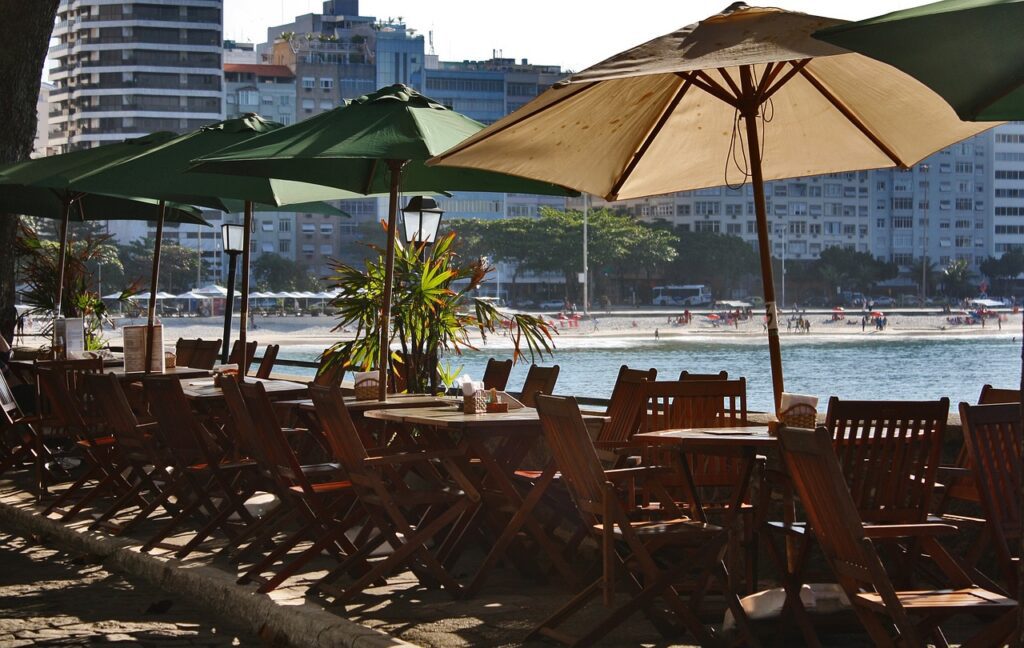



Copacabana: The Ultimate Guide to Rio's Iconic Neighborhood
Copacabana, a vibrant neighborhood nestled along the picturesque shores of Rio de Janeiro, is a famous beach and world-renowned neighborhood in Brazil, holding a rich and captivating history. Initially a tiny fishing village, it transformed in the early 20th century, becoming an emblem of luxury and cosmopolitan charm. The area’s historical development was marked by the construction of tunnels, hotels, and forts, which played a significant role in shaping Copacabana’s growth.
In This Article
ToggleThe region around Guanabara Bay, near Sugar Loaf Mountain, was originally a French colony in 1555 before being taken over by the Portuguese in 1566. This led to the establishment of Rio de Janeiro as the capital of Brazil in 1763, then known as São Sebastião do Rio de Janeiro, highlighting its importance in the country’s colonial and administrative history.
The golden era of Copacabana commenced in the 1920s when it attracted wealthy locals and international tourists. The iconic Copacabana Palace, a luxurious hotel overlooking the beach, symbolized the neighborhood’s allure and magnet for the elite. Many architectural landmarks, such as the Copacabana Fort and Copacabana Palace Hotel, are prominent in the area.
Over the decades, Copacabana witnessed significant developments, including constructing its famous boardwalk, the “Calçadão.” This lively promenade soon became a hub of activity, with sun-seekers, street performers, and vendors contributing to its vibrant atmosphere. The neighborhood contains a mix of historic architecture and modern high-rises, contributing to its iconic skyline.
Copacabana’s historical significance extends beyond its glamorous facade, as it has hosted several notable events, such as the FIFA World Cup and the Olympic Games. The neighborhood was also the site of the pivotal “18 of the Fort” revolt in 1922, a significant event in Brazilian history. Today, Copacabana continues to captivate visitors with its golden sands, pulsating nightlife, and the enduring spirit of its storied past.
Forte de Copacabana, built in 1908, was formerly a military establishment and now serves as a cultural center, offering stunning views of Copacabana Beach. Fort Copacabana, constructed in 1914, houses the Army Historical Museum and is located at the south end of Copacabana Beach, near Fort Duque de Caxias, both of which are important historical and architectural landmarks in the area.
What to do in Copacabana
When visiting Copacabana, countless activities keep you entertained and immersed in the vibrant culture of this iconic neighborhood.
For travelers who want to go beyond sightseeing and focus on connecting with local communities in Rio de Janeiro, Copacabana offers plenty of opportunities to engage with residents through music, food, and social projects. Whether you’re relaxing on the sand or strolling the promenade, you’ll find fun and a lively atmosphere everywhere—perfect for people watching and experiencing the vibrant carioca lifestyle.
Start by visiting the Copacabana Fortress, a historic military fortress offering breathtaking coastline views.
To taste the local music scene, head to the Bip Bip Bar, a legendary spot where live samba and chorinho performances create an unforgettable atmosphere. If you’re in the mood for some outdoor adventure, rent a bicycle and explore the scenic bike paths that stretch along the beach, allowing you to soak in the sun and the stunning ocean views. Along the beachside and waterfront, you’ll see locals and tourists enjoying volleyball, beach volleyball, and beach soccer—sports that are integral to the Copacabana experience and reflect the energetic spirit of the area.
Take the chance to discover the Leme Fortress, located at the far end of Copacabana Beach, which offers a glimpse into the city’s colonial past.
For a peaceful escape, visit Chacrinha Park, a green oasis where you can relax and enjoy nature’s tranquility. When the sun sets, venture to Baixo Copa, the heart of Copacabana’s nightlife, where you’ll find a variety of bars, clubs, and live music venues to keep you entertained until the early hours.
Indulge in the flavors of Rio at Bar do Davi in Chapeu Mangueira, a local spot renowned for its delicious seafood dishes.
To experience the real spirit of the favelas, join a guided tour and visit Projeto Criança Esperança in Favela do Pavão, where you can learn about the community’s social initiatives, or opt for advanced Rio tours for return visitors that focus on favela life, Afro-Brazilian culture, and authentic neighborhoods beyond the main tourist circuit.
Finally, explore the lively street markets, Feira Livres, where you can sample local street food, purchase souvenirs, and soak up the vibrant atmosphere. Copacabana is a social melting pot where diverse groups interact, making every visit unique. The iconic posto seis, at the southern end of the beach, serves as a key landmark and reference point for gatherings and major events. With its diverse range of attractions and activities, and regular events and celebrations that are part of Copacabana’s culture, this neighborhood offers a truly unforgettable experience for every visitor.
![Ultimate Guide Copacabana Rio de Janeiro [5] copacabana palace copacabana palace](https://i0.wp.com/www.rioculturalsecrets.com/wp-content/uploads/2024/04/copacabana-palace.jpg?resize=1024%2C697&ssl=1)
Where to stay in Copacabana
When planning a trip to Copacabana, Rio de Janeiro, choosing suitable accommodation is crucial to enhance your overall experience.
Before booking, many visitors consult an insider-style Rio de Janeiro travel blog to compare neighborhoods, safety tips, and local recommendations for the best areas to stay. This vibrant neighborhood offers a range of options to suit various budgets and preferences. For those seeking luxury and indulgence, Copacabana is home to some of the best hotels in the city, many of which are architectural landmarks, such as the Copacabana Fort and the Copacabana Palace Hotel.
The Hilton Rio de Janeiro Copacabana stands tall with its stunning ocean views and upscale amenities. Its modern rooms, rooftop pool, and prime location offer a truly memorable stay. Another top choice is the Marriot Rio de Janeiro Copacabana, known for its elegant rooms, exquisite dining options, and impeccable service.
A list of top hotels in Copacabana would only be complete by mentioning the iconic Copacabana Palace. This legendary hotel, with its colonial-style architecture and lavish interiors, has been a symbol of luxury since 1923. The rooms at Copacabana Palace are renowned for their comfort, spaciousness, and breathtaking views of the beach, featuring elegant decor and luxury amenities. Guests can enjoy a full-service spa offering a wide range of wellness treatments and hydro-massage therapies. The hotel also provides exclusive beach access, with umbrellas available for guests to use at the beach or poolside, making it a favorite among celebrities and discerning travelers.
For a more contemporary luxury experience, Windsor Hotels provides a collection of hotels in Copacabana, such as the Windsor Atlantica Hotel and the Windsor Copa Hotel. These properties combine modern design, upscale amenities, and excellent service to ensure a comfortable and memorable stay.
If you’re on a budget, Copacabana offers affordable accommodation options, such as Airbnb rentals and hostels. Airbnb allows you to find cozy apartments or private rooms that suit your needs.
At the same time, hostels like El Misti Hostel Copa and Discovery Hostel provide budget-friendly dormitory-style accommodations with shared facilities.
These options are ideal for budget travelers who want to save on accommodation costs and immerse themselves in a lively social atmosphere. The Emiliano Hotel has been a new addition to Copacabana’s hospitality scene in recent years. With its sophisticated design, personalized service, and attention to detail, the Emiliano offers a luxurious and intimate experience for discerning travelers seeking exclusivity and privacy.
Whether you’re seeking luxury, affordability, or a social atmosphere, Copacabana provides a range of accommodation options to cater to all preferences and budgets.
From the world-renowned Copacabana Palace to budget-friendly hostels and Airbnb rentals, you’re sure to find the perfect place to stay in this iconic neighborhood to enhance your visit to Rio de Janeiro.
Where to eat in Copacabana
When dining in Copacabana, there is an array of options catering to different tastes and preferences.
Many visitors combine meals in the neighborhood with private city-tours in Rio de Janeiro, using guided explorations of key sights and local eateries to better understand Copacabana’s role in the city’s culinary and cultural life. The neighborhood boasts a diverse range of dining options, including beachside shacks, churrascarias (steakhouses), and fine dining establishments, many of which showcase traditional Bahia cuisine and exotic dishes from the Amazon. Vegetarians will find Bardana Restaurant a haven, offering a diverse menu of plant-based dishes prepared with fresh and locally sourced ingredients.
For meat lovers, Churrascaria Palace and Marius Degustare are must-visit destinations. These traditional Brazilian churrascarias serve succulent grilled meats, allowing guests to indulge in a carnivorous feast.
For those seeking a fine dining experience, Copacabana has several decent restaurants. Cipriani, located within the iconic Copacabana Palace, offers Italian cuisine with an elegant touch. Alloro al Mar specializes in delectable Mediterranean dishes, while Mee takes guests on a culinary journey through Asian flavors.
Emile Restaurant is another notable establishment known for its contemporary Brazilian cuisine crafted with innovative techniques.
If you want something refreshing, explore the juice shops dotted along Nossa Senhora de Copacabana Avenue. These vibrant and colorful spots offer a variety of freshly squeezed juices, smoothies, and acai bowls, perfect for a revitalizing treat or a quick energy boost. Fruit juice is a popular and affordable beverage, available at many corner shops and beachside kiosks throughout Copacabana.
Beachside kiosks are popular for offering a variety of inexpensive food and drinks, including traditional snacks and cold beverages like caipirinhas, Brazil’s national cocktail, as well as cold beer and other drinks, making them ideal for relaxing and socializing by the ocean.
Rua Barata Ribeiro is a notable street in Copacabana, known for its vibrant dining scene, lively atmosphere, and proximity to popular attractions, where visitors can enjoy a range of eateries and experience local culture.
There are over a hundred corner shops in Copacabana that provide affordable food options such as beans, rice, fruit juices, pizzas, hamburgers, and hotdogs, making it easy for visitors to find quick and budget-friendly meals.
Whether you’re a vegetarian, a meat enthusiast, or seeking a high-end dining experience, Copacabana has a diverse culinary scene that caters to all tastes.
From plant-based delights at Bardana Restaurant to the sizzling meats of Churrascaria Palace and Marius Degustare, and the fine dining experiences at Cipriani, Alloro al Mar, Mee, and Emile Restaurant, you’ll find an abundance of delicious options to satisfy your cravings in this vibrant neighborhood of Rio de Janeiro.
![Ultimate Guide Copacabana Rio de Janeiro [6] New Years Copacabana New Years Copacabana](https://i0.wp.com/www.rioculturalsecrets.com/wp-content/uploads/2023/07/New-Years-Copacabana.jpg?resize=1024%2C741&ssl=1)
New Year`s Eve in Copacabana
New Year’s Eve in Copacabana is a major event and an electrifying celebration that attracts millions of people from around the world.
Because hotels and flights sell out quickly around this holiday, many travelers secure their stay and then book customizable Rio cultural tours in advance to make the most of the days before and after the New Year’s Eve festivities. Each year, around 2 million visitors gather on Copacabana Beach to celebrate, making it one of the largest public festivities globally.
The main attraction of this year’s eve event is the iconic New Year’s Eve fireworks display, which is one of the largest and most impressive in the world. As the clock strikes midnight, the sky over Copacabana is illuminated by a dazzling array of colors, synchronized with music, cheers, and applause from the excited crowd. The beach comes alive with people dressed in white, a traditional color symbolizing peace and renewal, eagerly anticipating the start of a new year.
The festive atmosphere continues throughout the night, with live music performances, open-air parties, and dancing along the beach’s shores. Visitors can immerse themselves in the lively street parties, known as “Blocos,” where samba music fills the air, and revelers dance freely, creating an infectious energy that permeates the entire neighborhood. Food stalls offer a variety of delicious treats, and champagne flows as people toast to new beginnings.
New Year’s Eve in Copacabana is an unforgettable experience, where the beach’s beauty, the people’s warmth, and the excitement of the event combine to create a magical celebration that will leave you with cherished memories for years to come.
![Ultimate Guide Copacabana Rio de Janeiro [7] copacabana beach rio de janeiro copacabana beach rio de janeiro](https://i0.wp.com/www.rioculturalsecrets.com/wp-content/uploads/2023/07/copacabana-beach-rio-de-janeiro.jpg?resize=1024%2C682&ssl=1)
Safety in Copacabana
When visiting Copacabana, it’s essential to prioritize your safety to ensure a pleasant and worry-free experience.
Choosing reputable private guided tours of Rio de Janeiro with experienced local guides is another way to explore the city confidently while receiving up-to-date, on-the-ground safety advice. While Copacabana is a popular tourist destination known for its vibrant atmosphere, it’s always advisable to take certain precautions to stay safe.
First and foremost, it’s recommended to be mindful of your belongings. Keep an eye on your belongings, especially in crowded areas, and avoid displaying valuable items openly. It’s wise to use a secure bag or backpack and always keep your belongings close to you.
Avoid carrying large sums of cash and opt for credit or debit cards for transactions whenever possible. Staying in well-lit and populated areas is advisable when walking around Copacabana, particularly at night.
Stick to the main streets and avoid wandering into unfamiliar or poorly lit alleys or secluded areas. If you need clarification on a particular location or need directions, it’s best to consult a reliable source, such as hotel staff or tourist information centers.
Regarding transportation, it’s recommended to use registered taxis or ride-hailing services rather than accepting rides from unofficial or unmarked vehicles. If you choose public transportation, keep an eye on your belongings and be mindful of your surroundings.
It’s also worth noting that the Brazilian police have a visible presence in Copacabana, particularly around tourist hotspots. If you have any concerns or need assistance, please approach a police officer or contact the local authorities.
Lastly, staying informed about any current safety advisories or warnings issued for the area is essential. Before your trip, check the latest travel information from reliable sources, such as official government websites or reputable travel advisories.
By staying vigilant, being aware of your surroundings, and taking necessary precautions, you can enjoy all that Copacabana offers while ensuring your safety and peace of mind throughout your visit.
![Ultimate Guide Copacabana Rio de Janeiro [8] copacabana rooftop view rio de janeiro copacabana rooftop view rio de janeiro](https://i0.wp.com/www.rioculturalsecrets.com/wp-content/uploads/2023/07/copacabana-rooftop-view-rio-de-janeiro.jpg?resize=682%2C1024&ssl=1)
Transportation in Copacabana
Getting around Copacabana is relatively easy, thanks to its accessibility via three major arteries: Avenida Atlântica (also known as Atlantic Avenue), Nossa Senhora de Copacabana, and Barata Ribeiro Street. These major arteries run parallel through the neighborhood and are intersected by twenty four streets, creating an interconnected street grid that enhances neighborhood connectivity and accessibility within Copacabana. Avenida Atlântica, the famous beachfront promenade, is a bustling seaside avenue lined with hotels, kiosks, and restaurants. On Sundays and holidays, one side of Avenida Atlântica is closed to cars, allowing pedestrians to enjoy the beach area without vehicle traffic.
Whether exploring the neighborhood or venturing out to other parts of Rio de Janeiro, you’ll find convenient ways to navigate the city, including private tours of Rio de Janeiro that provide door-to-door transportation and local insight. Copacabana is served by three subway stations: Cantagalo, Siqueira Campos, and Cardeal Arcoverde, providing easy access to other parts of Rio de Janeiro.
One of the most popular modes of transportation in Copacabana is the public bus system, although cruise passengers often choose private tours for cruise ship visitors in Rio to maximize limited time in port while still seeing the city’s highlights. More than 40 different bus routes serve the Copacabana neighborhood, connecting it to various destinations across Rio de Janeiro.
Bus stops are well-marked, and route information is typically displayed, making it relatively straightforward to find the right bus. However, it’s worth noting that buses can get crowded during peak hours, so it’s advisable to keep an eye on your belongings and be aware of your surroundings.
![Ultimate Guide Copacabana Rio de Janeiro [9] Forte Copacabana Rio de Janeiro Forte Copacabana Rio de Janeiro](https://i0.wp.com/www.rioculturalsecrets.com/wp-content/uploads/2023/07/Forte-Copacabana-Rio-de-Janeiro.jpg?resize=1024%2C648&ssl=1)
Taxis are widely available in Copacabana, and you can easily hail one on the street or find them at designated taxi stands. It’s advisable to use registered taxis, which are usually yellow with a blue stripe. Ensure the taxi’s meter runs or negotiate a fare before starting your journey. Ride-hailing services like Uber and 99 are popular and convenient alternatives, allowing you to book and pay for your rides through mobile apps.
Another convenient option is the metro, with the Cardeal Arcoverde, Siqueira Campos, and Cantagalo stations serving Copacabana, which makes it easy to follow a curated 2-day private tour itinerary in Rio de Janeiro that links Copacabana to major attractions like Christ the Redeemer and Sugarloaf Mountain. The metro offers a quick and efficient way to travel to other parts of the city, including downtown, Ipanema, and Barra da Tijuca. The metro system is well-maintained and generally considered safe and reliable.
For those looking for a more active and eco-friendly way to get around, biking is becoming increasingly popular in Copacabana, and it pairs well with 3 days in Rio de Janeiro tour packages that blend outdoor activities with cultural sightseeing across the city. Bike lanes are along the beachfront, providing cyclists with a scenic and enjoyable route.
Bike-sharing programs, such as Bike Rio, offer rental services, making exploring the neighborhood on two wheels easy. Lastly, consider pedestrian crossings and traffic signals if you’re exploring Copacabana on foot. Walking is a great way to experience the neighborhood’s vibrant atmosphere and discover its hidden gems.
With its well-connected transportation infrastructure—including three major arteries, twenty four intersecting streets, buses, metro, taxis, ride-hailing services, and biking options—navigating Copacabana and exploring Rio de Janeiro is convenient and accessible for locals and visitors.
Choose the mode of transportation that suits your preferences and enjoy the journey as you immerse yourself in the sights and sounds of this vibrant Brazilian neighborhood.
![Ultimate Guide Copacabana Rio de Janeiro [10] Orla Copacabana Rio Orla Copacabana Rio](https://i0.wp.com/www.rioculturalsecrets.com/wp-content/uploads/2023/07/Orla-Copacabana-Rio.jpg?resize=1024%2C768&ssl=1)
What is better Copacabana or Ipanema?
In summary, if you’re looking for a lively and energetic beach with a wide range of activities and amenities, Copacabana might be your preference. On the other hand, if you’re seeking a more tranquil and sophisticated atmosphere with beautiful scenery, Ipanema could be the better choice. Ultimately, the “better” option depends on your personal tastes and the kind of beach experience you’re seeking.
Why is Copacabana Beach a great place to visit?
Copacabana Beach, stretching for approximately 4 kilometers (2.5 miles) along the Atlantic shore, is a great place to visit due to its stunning beauty, vibrant atmosphere, and rich cultural significance. Despite its popularity, there is ample space for relaxation and activities, allowing visitors to enjoy the lively beach scene in comfort. The sea is a central element of Copacabana’s appeal, offering breathtaking ocean views and a variety of water activities that highlight the neighborhood’s unique spirit and iconic status in Rio de Janeiro.
Tour Operator in Copacabana
Rio Cultural Secrets is a premier private tour operator in the heart of Copacabana, Rio de Janeiro. With their deep knowledge and passion for the city’s cultural treasures, they offer an unparalleled experience to travelers seeking to uncover Rio’s hidden gems.
Our team of expert guides provides personalized and tailor-made tours that delve into the rich history, vibrant arts scene, and diverse cultural heritage of Rio de Janeiro.
Whether you’re interested in exploring iconic landmarks like Christ the Redeemer and Sugarloaf Mountain or discovering lesser-known neighborhoods and local traditions, Rio Cultural Secrets ensures an immersive and authentic journey.
Our attention to detail, professionalism, and commitment to customer satisfaction make them the go-to choice for travelers seeking a truly unforgettable and enlightening experience in the marvelous city of Rio de Janeiro.
In conclusion, Copacabana is a charming neighborhood that encapsulates the spirit of Rio de Janeiro. With its golden shores, vibrant atmosphere, and rich history, Copacabana offers visitors a diverse range of experiences.
From the iconic beach and bustling boardwalk to its legendary hotels and renowned nightlife, Copacabana exudes an undeniable charm that captivates locals and tourists alike.
The neighborhood’s cultural and culinary offerings and lively street markets and festivals add to its allure. While prioritizing safety and being mindful of personal belongings, exploring Copacabana allows for a remarkable journey through the heart and soul of this vibrant Brazilian destination.
Copacabana embodies the essence of Rio de Janeiro, leaving an indelible mark on those fortunate enough to experience its beauty, energy, and rich cultural tapestry.

![Leblon Rio de Janeiro [2] leblon rio de janeiro leblon rio de janeiro](https://i0.wp.com/www.rioculturalsecrets.com/wp-content/uploads/2026/05/leblon-rio-de-janeiro.jpg?resize=1230%2C820&ssl=1)
![Landmarks in Rio de Janeiro [3] landmarks in rio de janeiro landmarks in rio de janeiro](https://i0.wp.com/www.rioculturalsecrets.com/wp-content/uploads/2026/05/landmarks-in-rio-de-janeiro.jpg?resize=1230%2C923&ssl=1)
![The History of Carnival in Brazil [4] The History of Carnival in Brazil The History of Carnival in Brazil](https://i0.wp.com/www.rioculturalsecrets.com/wp-content/uploads/2026/05/The-History-of-Carnival-in-Brazil.jpg?resize=1230%2C820&ssl=1)