

How to Discover Rio de Janeiro History Through Our Tours
Most visitors come to Rio for the mountains, the beaches, and Christ the Redeemer. But behind that natural beauty lies the story of Brazil itself — abolition, independence, and the birth of the Republic all happened right here. This guide walks through the places where that history is still visible today, from the old city center to the imperial mountain retreat of Petrópolis. If you’d rather explore them in person, our private history tours cover all of them with a local guide.
Rio de Janeiro’s Historic City Center
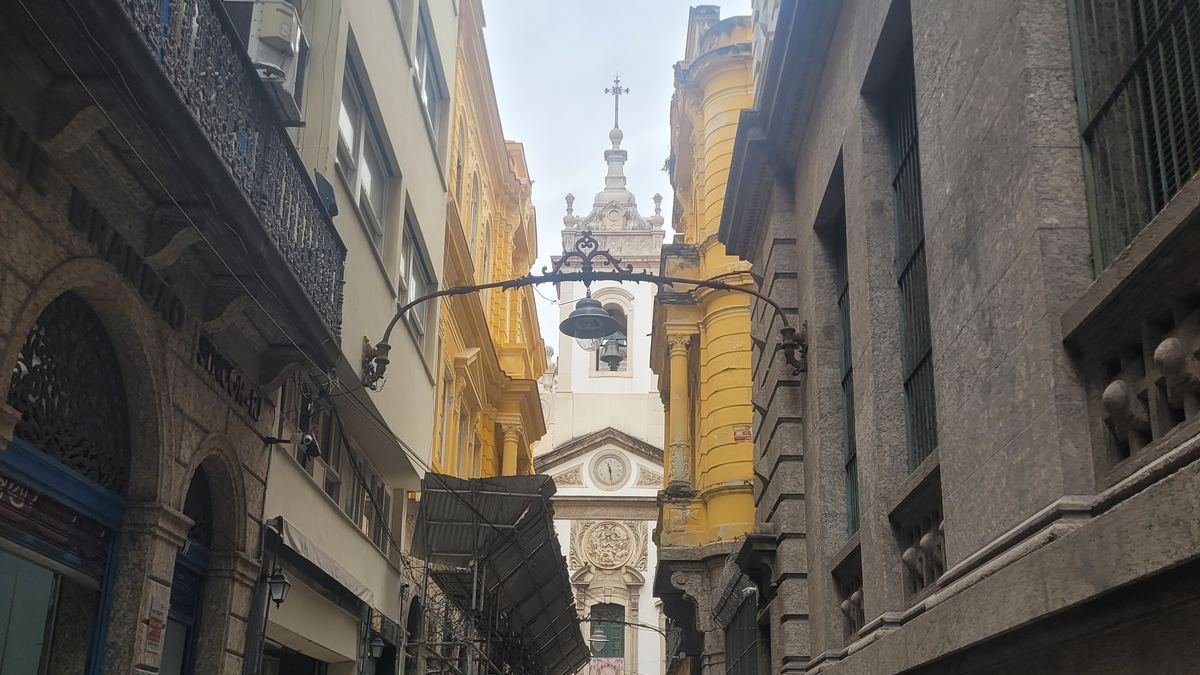
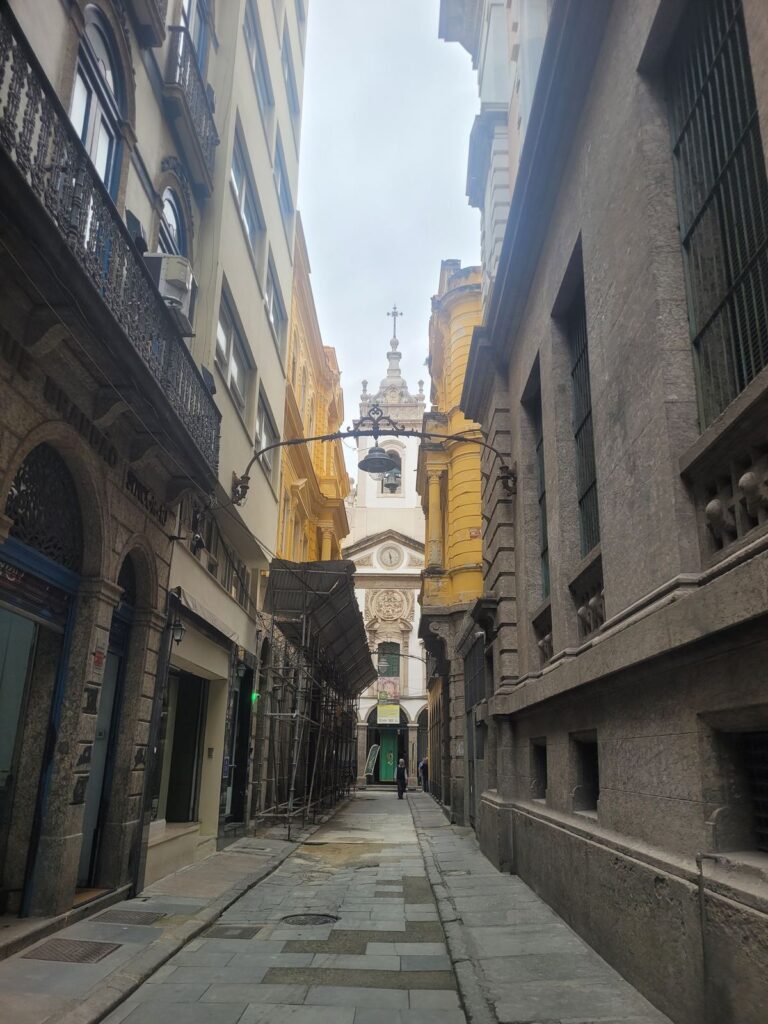
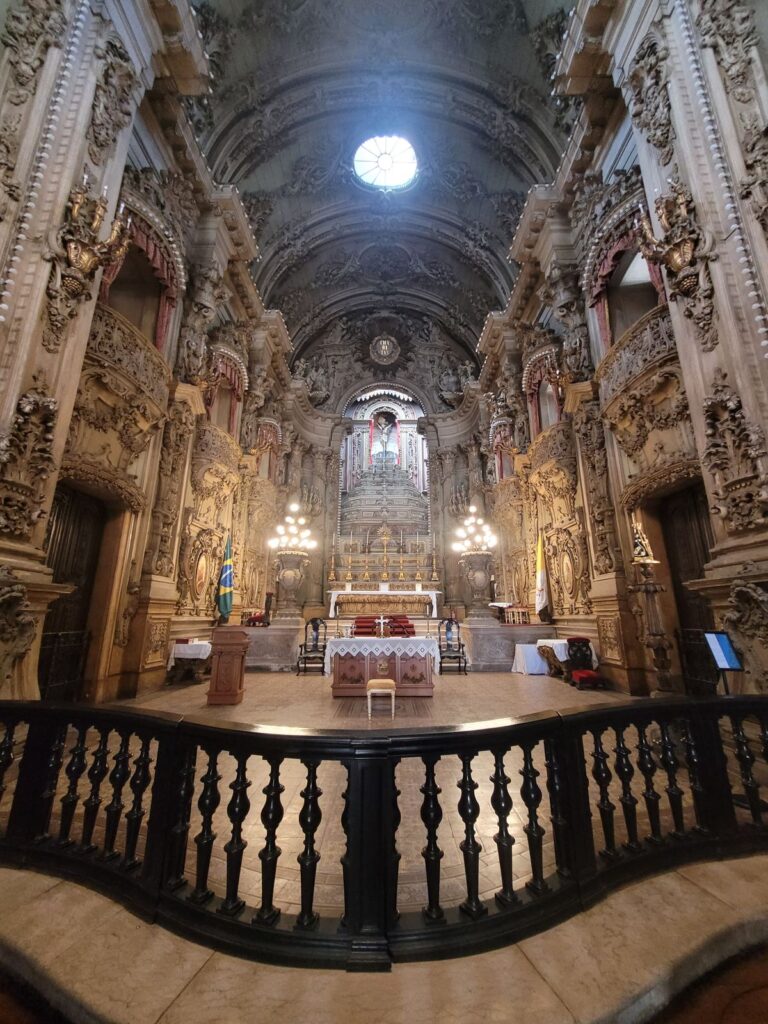
The heart of colonial and imperial Rio is still walkable today: Cinelândia Square, the Royal Portuguese Reading Room, Confeitaria Colombo, Santo Antônio Convent, the Metropolitan Cathedral, São Bento Monastery, Candelária Church, and the Cultural Center of Banco do Brasil. It all converges at Praça XV — Brazil’s most historically significant square, home to the former Royal Palace and former Royal Chapel, where independence, abolition, the proclamation of the Republic, and the arrival of the Portuguese royal family all played out. Anyone who wants to understand Brazil’s history should start here; it’s also the centerpiece of our historic center walking tour.
Little Africa and Rio’s African Heritage
Rio was the largest slave port in the world, receiving an estimated 3 to 4 million enslaved Africans — one of the darkest chapters of Brazilian history. The Little Africa district preserves more than 400 years of that heritage, including two of the region’s UNESCO World Heritage sites: Valongo Wharf and Pedra do Sal, along with the Instituto Pretos Novos, built on a cemetery where roughly 3,000 Africans were buried. It’s also where the resilience and lasting influence of African culture on Brazil is most visible — a story we cover in depth on our Little Africa private tour.
Santa Teresa’s Belle Époque Past
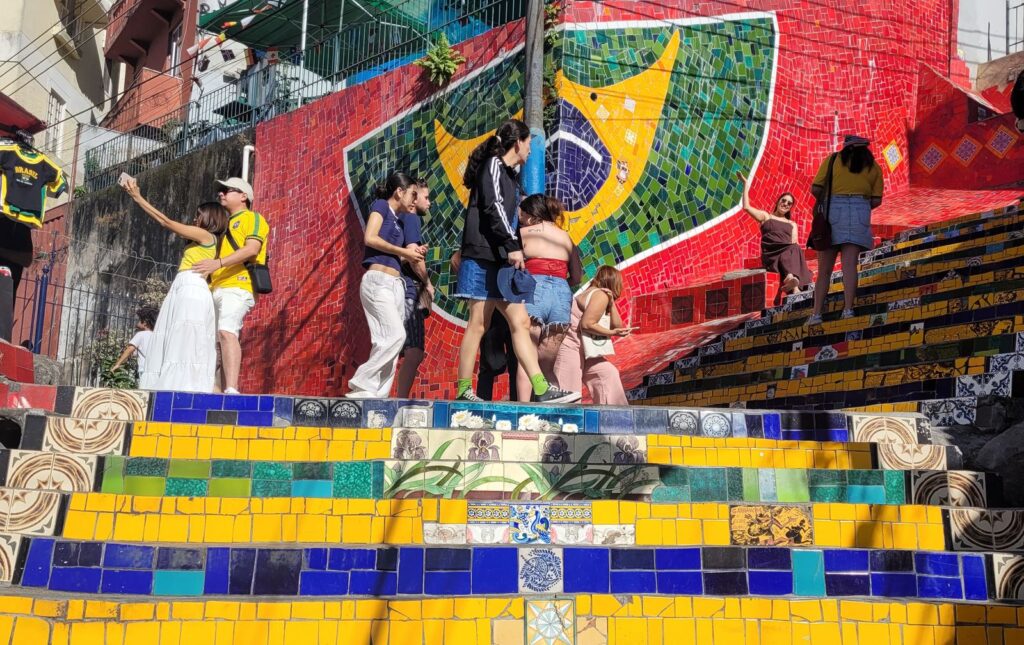
Santa Teresa took shape in the 19th century during Rio’s Belle Époque, and its hillside mansions and cobblestone streets have earned it the nickname “Rio’s Montmartre.” The historic tram still climbs into the neighborhood, past cool breezes, sweeping views, standout street art, and some of the city’s best gastronomy. It’s covered on our Santa Teresa private tour, and pairs well with our half-day and city tour itineraries.
The Coffee Farms of Vassouras
Vassouras, two and a half hours from Rio, was once one of the world’s largest coffee producers — so wealthy and so shaped by French planters that French was spoken as widely as Portuguese in its heyday. The historic coffee farms and city center still show where 19th-century Brazil’s economic powerhouse was built. Ask us about adding it to a Coffee Farm private day trip.
Niterói’s Colonial and Indigenous History
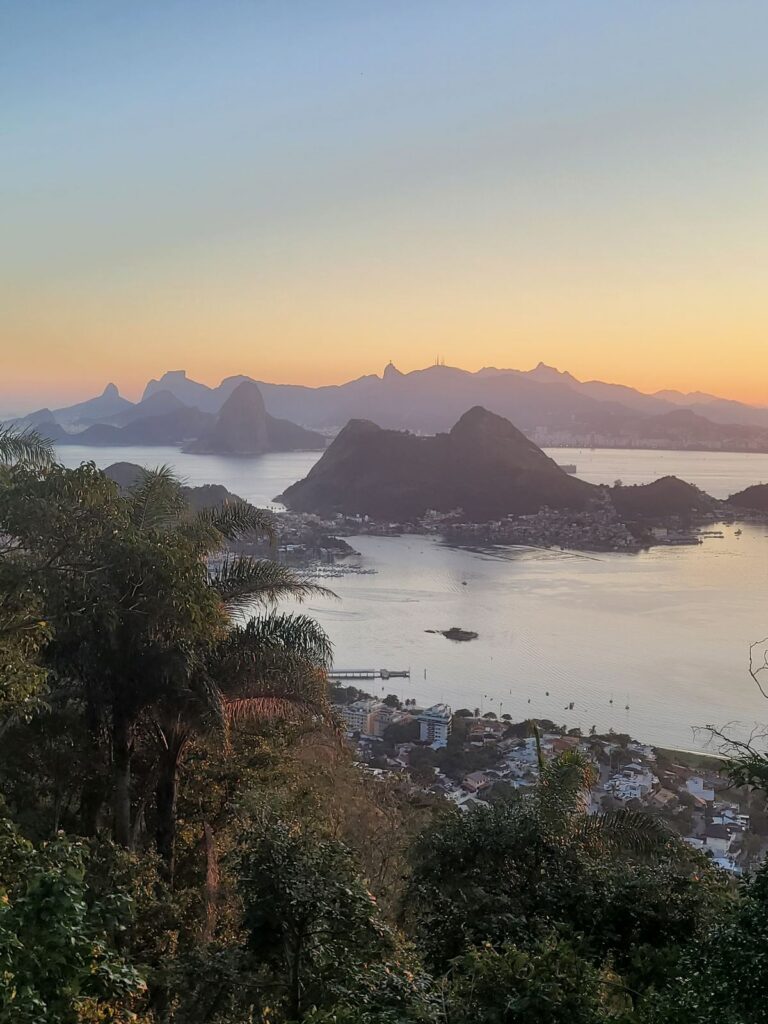
Just across Guanabara Bay via Rio’s long bridge, Niterói’s history is tied closely to Rio’s own — indigenous legends, colonial-era battles against the French, and a fortress built to defend the bay. Our Niterói private tour also takes in the Niterói Reserve, the beaches of Camboinhas and Golden Keys, and Parque da Cidade — one of the best viewpoints in the state.
Petrópolis, Summer Home of the Brazilian Royal Family
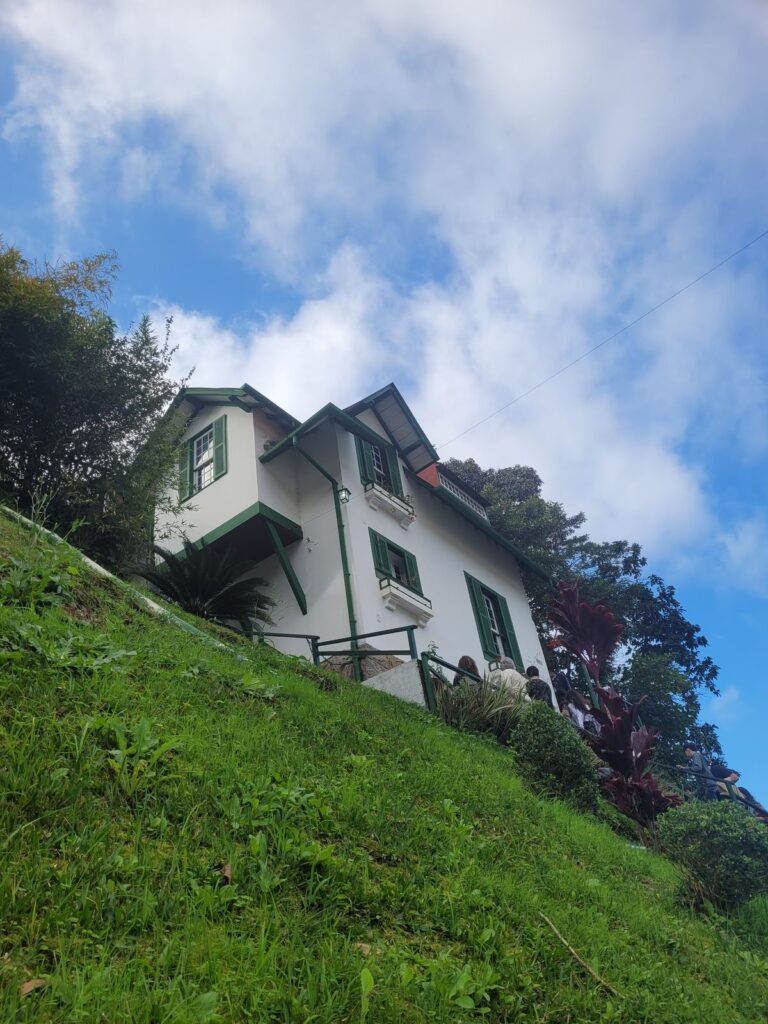
Brazil was a monarchy until 1889, and Petrópolis served as the summer residence of Emperor Pedro II during the Second Reign. Just 90 minutes from Rio, the city still holds the Imperial Museum, St. Peter’s Cathedral, the Crystal Palace, Quitandinha Palace, and the Santos Dumont House — a complete picture of Brazil’s imperial past, covered on our Petrópolis private tour.
Rio is more than mountains, beaches, and views — it’s where Brazil’s history was made. Get in touch with Rio Cultural Secrets to build your private history tour.
