



May 14, 2026

Leblon Rio de Janeiro: Complete Guide to Beach, Nightlife & Local Life
Key Takeaways
- Leblon is Rio de Janeiro’s most exclusive beachfront neighborhood, directly beside Ipanema, with calmer vibes and the most expensive square meter in Brazil.
- Leblon Beach draws families to Posto 11–12, features the kids-focused Baixo Bebê area, and ends at Mirante do Leblon viewpoint with stunning views of Morro Dois Irmãos.
- Nightlife centers on Rua Dias Ferreira and classic bars like Jobi and Bracarense, where locals spill onto sidewalks until the early hours.
- Accommodations range from the design-forward JANEIRO Hotel to serviced flats, with prices 30–50% higher than those in nearby Copacabana.
- Nearby attractions include the Vidigal favela hike to Dois Irmãos summit, quiet Vidigal Beach, and day trips to Santa Teresa’s colonial charm.
Introduction to Leblon in Rio de Janeiro
Leblon sits at the western edge of Rio de Janeiro’s famed Zona Sul, directly beside Ipanema and facing the Atlantic Ocean. This is where beach culture meets urban sophistication—a neighborhood known as one of the safest and most exclusive “old-money” residential areas in Brazil. Leblon is frequently cited as one of the safest neighborhoods in Rio, with a more organized and tranquil daily rhythm compared to other districts.
Compared to Ipanema and Copacabana, Leblon offers a more peaceful, sophisticated atmosphere. Think tree-lined streets, walkable sidewalk cafes, and the kind of neighborhood feel where you’ll see the same faces at the local bakery. It’s the “see-and-be-seen” hub of Rio, characterized by its swanky vibe yet grounded in residential authenticity. This mix of relaxed beach culture and high-end urban sophistication makes Leblon a premier destination in Rio de Janeiro.
This guide covers where to stay, where to eat, nightlife on Rua Dias Ferreira and at legendary Jobi, the best spots on Leblon Beach, nearby attractions like Vidigal and Mirante do Leblon, plus the neighborhood’s fascinating history.
Leblon Beach: Postos, Baixo Bebê & Mirante do Leblon
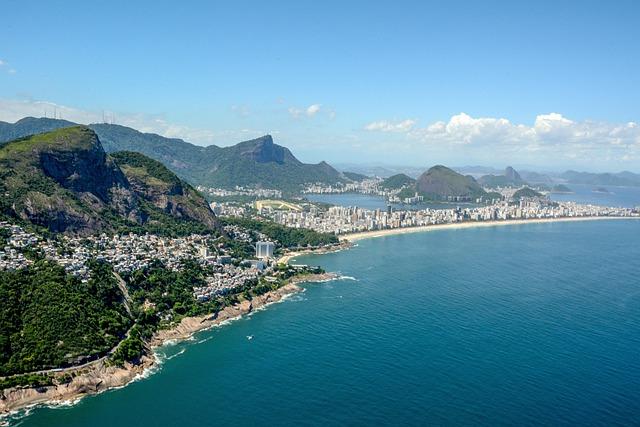
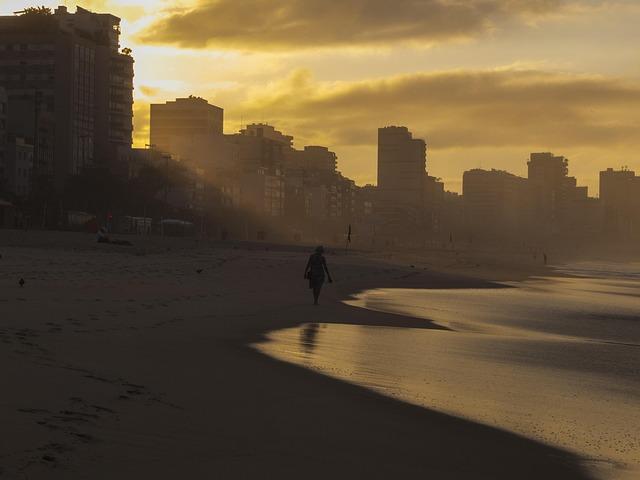
Praia do Leblon stretches approximately 1.5 kilometers westward from the Jardim de Alah canal, seamlessly continuing Ipanema Beach but with calmer waters and a more local crowd. Leblon Beach is known for its stunning views and relative calm compared to nearby beaches like Ipanema and Copacabana, making it a popular spot for relaxation and leisure activities.
The beach operates on Rio’s “posto” system—numbered lifeguard stations spaced every 200–300 meters with showers, toilets, and medical care. Leblon Beach has designated areas, Postos 11 and 12, which are popular among families and celebrities and offer essential facilities for a comfortable beach day. Posto 11 near Rua Humberto Campos attracts joggers and middle-aged locals, while Posto 12 near Rua Bartolomeu Miter draws families and higher foot traffic.
Baixo Bebê, inaugurated in 1997 near Posto 12, is a shaded playground with kid-focused kiosks. The water here stays shallow—under one meter for 50 meters offshore—making it ideal for toddlers. Parents praise its separation from adult volleyball courts, and local kiosks serve child-friendly portions of queijo coalho (grilled cheese on a stick, R$8–12) and fresh sugarcane juice (R$7–10).
The iconic view from the sand frames Morro Dois Irmãos (Two Brothers Mountain) at an elevation of 539 meters. Best photography conditions occur at sunset (17:30–18:30) during the shoulder months, such as March–May and September–November, when humidity drops below 70%.
At the beach’s western terminus sits Mirante do Leblon—a free-access wooden deck open 24/7 with 270° panoramas of Leblon, Ipanema, and São Conrado. Small kiosks serve drinks around R$15, and it’s the perfect spot to watch paragliders descending from Pedra da Gávea.
Practical tips:
- Arrive 8:00–11:00 for safest swimming; rip currents strengthen after 14:00
- Kiosk chair rentals (fardo: two chairs + umbrella) run R$50–80 in high season
- Bring reef-safe sunscreen (Brazil banned oxybenzone in 2023)
- Never leave valuables unattended—petty theft remains a risk
Where to Stay in Leblon (Hotels & Flats)
Leblon is known for its upscale accommodations, including luxury hotels and serviced apartments, making it one of the most exclusive areas in Rio de Janeiro. Accommodations in Leblon can be quite expensive, often priced higher than in nearby neighborhoods like Ipanema, due to its privileged location and amenities—but you’re paying for safety, beach proximity, and that local neighborhood feel.
For beachfront stays, JANEIRO Hotel (Av. Delfim Moreira 696, opened 2022) exemplifies Leblon luxury. This 65-room property features Scandinavian-Brazilian design, a rooftop infinity pool overlooking Posto 12, and 80% of rooms with sea views. Expect R$1,200–2,200 per night, depending on the season—ideal for design-savvy couples seeking that stunning view. The hotel offers free wifi, spa treatments, and breakfast featuring locally sourced açaí.
About 400 meters from the beach, Promenade Palladium Leblon suits budget-conscious upscale travelers at R$700–1,300 nightly. It’s 80 serviced apartments include kitchenettes, gym, and sauna—perfect for families or longer stays.
The neighborhood features a mix of hotels and rental options, including apart-hotels that offer residential services such as daily maid service and breakfast. Options like Flat Leblon Rio and Flat Leblon Inn near Ataulfo de Paiva offer pools, self-catering, and rooftop BBQ areas at R$400–800 nightly, with weekly rates dropping 20%.
Staying directly on Av. Delfim Moreira means instant ocean access, but traffic noise peaks at 7:00–9:00 and 17:00–20:00. One block inland, on Rua General Artigas, there are quieter residential buildings at lower prices. Alto Leblon stays on the hillside, slashing costs by 15–25% while adding panoramic views and a 10-minute downhill walk.
Concrete options:
- JANEIRO Hotel—rooftop pool, sea views, R$1,500 avg high season for couples
- Promenade Palladium—apartments with kitchen, R$900 for families
- Flat Leblon Rio—pool/sauna, R$600 long-stay value
- Vista Alto Leblon—hilltop views, R$700 quiet residential
Eating in Leblon: From Rua Dias Ferreira to Classic Botecos
Leblon ranks as Rio’s gastronomic epicenter, with over 250 eateries per square kilometer. Leblon is a premier culinary destination, home to Michelin-starred establishments such as Oro. The scene ranges from traditional dishes at classic botecos to high-end fusion, with a heavy concentration around Rua Dias Ferreira.
Dias Ferreira is a tree-canopied east-west artery where 5,000–8,000 diners pack sidewalk tables Thursday through Saturday. Sushi Leblon (No. 243, since 1988) pioneered upscale sushi in Rio and remains a celebrity magnet—omakase menus run R$350–500, reservations essential via WhatsApp. Sushi Leblon is a trendy sushi restaurant on Rua Dias Ferreira, popular among the upper class and celebrities, known for its quality sushi and stylish ambiance. Nearby, CT Boucherie (No. 410) serves French-inspired steaks with rodízio-style sides, while Talho Capixaba (No. 264, since 1954) draws weekend brunch lines for its legendary sandwiches, such as pernil com provola (R$50–80).
For authentic boteco culture, Jobi (Av. Ataulfo de Paiva 316B, since 1956) serves 1,000+ bolinho de bacalhau daily (R$8 each) alongside ice-cold chopp (R$12–18). Bar Bracarense (Rua José Linhares 55, since 1961) invented the bracatudo—filet mignon with fried egg and cheese (R$35)—selling 500 nightly on Fridays. Cantinho do Leblon offers weekend feijoada (R$80/person), and Filé do Lira serves hearty bife a cavalo (R$55).
For post-beach refueling, Bibi Sucos (since 1993) delivers classic açaí (R$25) and fresh juices (R$12–18), while Café ao Leu pours what coffee experts consider the city’s best espresso (R$10–15).
Dining logistics:
- Lunch runs 13:00–16:00; dinner starts after 20:00
- Busiest nights: Thursday–Saturday
- 10% service charge standard on bills
- Reservations recommended for Rua Dias Ferreira spots after 21:00
Leblon Nightlife: Jobi, Rua Dias Ferreira & Baixo Leblon
Leblon’s nightlife diverges sharply from Lapa’s samba frenzy or Copacabana’s club scene. Here, sophistication meets sidewalk culture—bars and restaurants rather than mega-clubs, with locals spilling onto calçadas until 2:00–3:00 a.m. on weekends.
Rua Dias Ferreira is one of the most active nightlife spots in Leblon, lined with packed bars that spill out onto the sidewalks, especially on Friday nights. “Baixo Leblon” refers to this bohemian triangle of Dias Ferreira, Ataulfo de Paiva, and cross streets like Rua Rainha Guilhermina—where 2,000–4,000 locals gather nightly, drinks in hand, hopping between venues.
Jobi, a staple of Leblon’s nightlife since 1956, is known for its lively atmosphere and popular snacks like steak sandwiches and fried cheese balls. Post-21:00, 300–500 patrons overflow from 200 seats onto the pavement, ordering chopp (R$15–20) and pastel de camarão (R$12). Some nights feature live chorinho music. Peak times: Thursday–Saturday.
Friday nights on Rua Dias Ferreira see the full spectrum—Boteco Belmonte draws young professionals for caipirinhas (R$25), wine bars like Vino! attract the 30s crowd (R$40/glass), and lounges like Zazá Bistrô serve fusion cocktails (R$35) to a trendy scene.
Nightlife tips:
- Dress casual-chic; Havaianas are acceptable in most bars
- Keep valuables discreet—crime is 40% below the Rio average, but vigilance helps
- 10–13% tip usually included in service charge
- Jobi—chopp/bolinho, all-ages cariocas Thursday–Saturday
- Bracarense—sandwiches/beer, families, early evening
- Zazá—cocktails, trendy 30s crowd
Shopping in Leblon: Malls, Boutiques & Design
Leblon is home to high-end shopping centers featuring luxury brands, theaters, and fine dining options. The main street commercial spine runs along Ataulfo de Paiva, while two major malls anchor the neighborhood’s retail scene.
Shopping Leblon (Rua Afrânio de Melo Franco) opened in the mid-2000s and houses international brands, Brazilian designers, multiplexes, and air-conditioned food courts—a welcome refuge from summer heat. Across the street, Rio Design Leblon focuses on Brazilian fashion, home design, and stylish restaurants, making it a destination for those seeking locally crafted clothes and housewares.
Beyond malls, Rua Ataulfo de Paiva and the surrounding streets offer boutiques, pharmacies, and bookstores, making Leblon convenient for longer stays. You’ll find everything from surf shops to gourmet grocery stores within walking distance of any hotel.
Shopping essentials:
- Hours: typically 10:00–22:00
- Busiest: Saturday afternoons
- Shopping Leblon—international brands, cinema, food court
- Rio Design Leblon—Brazilian fashion, design stores
- Rua Ataulfo de Paiva—boutiques, everyday services
What to Do Near Leblon: Vidigal, Trails & Santa Teresa
Leblon’s privileged location gateways to adventures beyond the sand. Start at Mirante do Leblon for sunrise or sunset photos, then venture further.
The Parque Municipal do Penhasco Dois Irmãos features walking trails and panoramic views of the coast. The Two Brothers Cliff Park offers some of the best views in the area, featuring four lookouts overlooking the Rodrigo de Freitas Lagoon and the surrounding landscape.
Favela do Vidigal sits on the hill between Leblon and São Conrado—home to 15,000 residents and pacified since 2012. A 10-minute taxi or 99 ride (R$20–30) via Av. Niemeyer gets you there. Inside, moto-taxis (R$10–20) or kombis climb to bars like Bar do David, where ocean-view caipirinhas (R$25) and live samba await.
The Dois Irmãos trail starts in Vidigal and reaches a summit at 539 meters. Leave by 6:00–7:00 to avoid the 30°C heat. The 40–60-minute moderate hike includes steep sections with ropes but rewards you with panoramic views of Lagoa and Christ the Redeemer. Guides (R$150 via Vidigal Walking Tours) are recommended for first-timers.
Vidigal Beach, a 500-meter stretch near the Sheraton Grand Rio, offers quieter swimming, mountain backdrops, and fewer vendors than the main praia.
Rodrigo de Freitas Lagoon is ideal for cycling, jogging, or strolls, with cafes along its perimeter—bike rentals run around R$30/hour.
For a half-day trip, Santa Teresa delivers colonial charm: take Metro Line 4 to Glória (20 minutes), then the historic bondinho tram (R$20) up to explore Parque das Ruínas, art studios, and bars overlooking downtown and Guanabara Bay.
Getting Around Leblon & Alto Leblon
Leblon’s layout runs: beachside Av: Delfim Moreira, commercial spine Av. Ataulfo de Paiva, and cross streets climbing toward Alto Leblon on the hillside toward Dois Irmãos.
Metro Line 4 stations (Antero de Quental and Jardim de Alah) connect directly to Ipanema, Copacabana, and Centro. App-based rides via Uber or 99 reach Copacabana in 15 minutes (off-peak), Lapa in 20 minutes, and GIG Airport in 45–60 minutes, depending on traffic.
Alto Leblon defines the upper, more residential part—quieter streets lined with high-end apartment blocks and a few remaining houses from the pre-1960s era: cobblestone streets and panoramic views come with added walking time to the beach.
The neighborhood excels in pedestrian-friendliness. Walking the beach promenade and main avenues feels safe until late evening, though standard urban precautions apply on isolated side streets at night.
Transport tips:
- Antero de Quental station is closest to Posto 12
- Avoid Av. Niemeyer during rush hour (17:00–20:00)—landslide risk and traffic
- Vidigal access: taxi/99 via Niemeyer, R$20–30
History & Interesting Facts About Leblon
Leblon got its name after Frenchman Charles Leblon bought the old farm in the region in 1845, marking the beginning of its transformation from an isolated fishing village into a sought-after neighborhood. Charles Le Blond operated a whale-hunting company—whale oil lit Rio’s lamps until the 1880s.
Before urbanization, the area was home to fishing communities with ties to the Indigenous Tupinambá. The area was once known for its sugar cane farms, with significant historical figures like Antônio de Salema and Sebastião Fagundes Varela playing key roles in its agricultural development during the colonial period.
In the late 19th century, Leblon was home to a quilombo, a community formed by runaway slaves, which played a significant role in the resistance against slavery in Brazil. José de Magalhães Seixas, who owned land after Leblon, supported the abolitionist movement and sheltered escaped enslaved people in what is now Alto Leblon.
The urbanization of Leblon began in the early 20th century, with significant infrastructure and public service developments that attracted the upper classes to the area. The favela of Praia do Pinto occupied a portion near Jardim de Alah until a devastating 1969 fire displaced 300 families, after which apartment buildings were built in the area.
Fun facts:
- Leblon hosted the first competition of the Gávea Racing Circuit in 1933, marking its entry into automobile racing
- Since the 1990s, APAC heritage zoning limits building heights, preserving pre-1960s skylines
- Leblon is a cultural icon frequently used as a setting for popular Brazilian soap operas
- Some Alto Leblon streets retain original cobblestones and thin hillside residential buildings
- The neighborhood holds the most expensive square meter in Brazil—R$28,000–32,000 per m²
Practical Tips for Visiting Leblon
For the best beach weather in Leblon, the summer months (December to March) are recommended. However, for less crowded beaches and pleasant weather, the shoulder seasons of April-May or September-October are suggested—temperatures stay comfortable, and hotel rates drop.
On the beach, you can rent chairs or bring your own mat. Vendors circulate constantly—practice basic Portuguese phrases like “quanto custa?” (how much?) and “obrigado/obrigada” (thank you). Never leave phones or wallets unattended on the sand.
Practical tips:
- Coffee + pastry at Talho Capixaba: R$30–40
- Mid-range dinner on Rua Dias Ferreira: R$80–150/person
- Chopp at Jobi: R$15–20
- Use ATMs inside Shopping Leblon or Rio Design Leblon for safety.
- Official taxis or ride apps (Uber, 99) are reliable—avoid unmarked cars
- Dress code is casual; bring light clothes and layers for air-conditioned restaurants
- SPF 50+ essential; Brazilian sun intensity surprises many visitors
FAQ
Here are answers to common questions about visiting Leblon.
Is Leblon safer than other beach neighborhoods in Rio de Janeiro?
Leblon generally maintains a strong police and private security presence, with street crime rates approximately 60% below Rio’s average. The neighborhood’s residential character means busy sidewalks and natural surveillance until late evening. That said, standard urban precautions apply: use hotel safes, avoid displaying expensive items, and stay alert on empty streets or at night on the beach. The main avenues and beach promenade remain comfortable for walking until late.
How many days should I stay in Leblon to really experience the neighborhood?
A minimum of 2–3 full days lets you enjoy Leblon Beach, taste classic bars like Jobi, and explore the gastronomy of Rua Dias Ferreira. For the full experience—including the Dois Irmãos hike via Vidigal, a Santa Teresa day trip, and shopping at Shopping Leblon and Rio Design Leblon—plan 4–5 days. Leblon also works excellently as a week-long base to explore wider Rio while returning each evening to a calm, upscale neighborhood garden.
Is Leblon Beach good for kids and families?
Absolutely. Leblon is one of Rio’s most family-friendly beaches, especially around Posto 11 and Posto 12. Baixo Bebê near Posto 12 offers playground structures, kids’ kiosks with appropriate food portions, and calmer water conditions. Morning visits avoid intense afternoon sun; many kiosks feature children’s menus and fresh juices. Guests with toddlers particularly appreciate the shallow waters extending far offshore.
Can I visit Favela do Vidigal and hike Dois Irmãos on my own from Leblon?
Many independent travelers do exactly this. Take a short taxi or app-based ride (R$20–30) from Leblon along Av. Niemeyer to Vidigal’s entrance. From there, moto-taxis or kombis climb to the trailhead. For first-timers, a local guide (R$150) provides easier navigation and safety context. The hike is relatively short but steep—avoid heavy rain or after-dark attempts due to slippery paths. More tips: start before 7:00 a.m. to beat the heat.
What is the difference between Leblon and Ipanema for tourists?
Both neighborhoods share one continuous beach, but Ipanema skews more mixed and tourist-heavy, while Leblon feels quieter, more residential, and pricier. Ipanema offers broader budget options and varied nightlife; Leblon delivers family-oriented areas, high-end dining, and that great place feeling of a locals’ neighborhood. Tourists who value tranquility may prefer Leblon accommodations, while budget-conscious travelers often stay in Ipanema but walk over to Leblon daily for food and fun. Both deserve a visit during any trip to this remarkable city in Brazil.