



Live in Rio de Janeiro: Practical Guide for Expats and Long-Term Stays
Thinking about making Rio de Janeiro your home? You’re considering one of the most visually stunning cities on the planet—a place where mountains rise directly from sandy beaches, where tropical forest weaves through urban neighborhoods, and where locals have perfected the art of outdoor living. But behind the postcard views lies a city with real complexity: bureaucratic hurdles, safety considerations that vary block by block, and lifestyle adjustments that catch many newcomers off guard. Evaluating neighborhood options and your lifestyle preferences is key to starting a new life in Rio de Janeiro.
This guide cuts through the romanticized travel content to give you what you actually need: practical advice on neighborhoods, realistic costs, visa requirements, and the daily habits that will help you thrive if you choose to live in Rio de Janeiro for the long term.
Key Takeaways
- Rio’s lifestyle revolves around beach culture, outdoor activities, and social gatherings in public spaces—but stark contrasts between wealthy beachfront areas and hillside favelas shape everything from housing choices to safety perceptions.
- Safety, neighborhood selection, and bureaucracy (visas, CPF tax numbers, rental contracts) are the three factors that will most directly impact your daily life as a newcomer.
- Zona Sul neighborhoods like Leblon, Ipanema, Botafogo, and Flamengo suit most expats, while Barra da Tijuca appeals to families wanting space and gated communities, and Santa Teresa attracts those seeking a bohemian vibe.
- Budget realistically for 2025–2026: a single person can live modestly for R$5,000–8,000 monthly ($900–1,500 USD), while comfortable living runs R$10,000–20,000, and families with private school fees need R$20,000–35,000+.
- With proper precautions, basic Portuguese, and realistic expectations, Rio can be a deeply rewarding place to live long term—but test it with a multi-week stay before committing.
What to Expect When You Move to Rio de Janeiro
Your first morning in Rio de Janeiro Brazil will likely involve one of those moments that stops you mid-stride. Maybe it’s catching Christ the Redeemer emerging from morning clouds as you step onto your apartment balcony. Perhaps it’s the surreal sight of cable cars ascending Sugarloaf Mountain while morning joggers stream along Copacabana’s mosaic promenade below. Or it could be realizing that Tijuca Forest—one of the world’s largest urban forests—creates a wall of green visible from almost every neighborhood in this major city.

Rio earned its nickname “Cidade Maravilhosa”—the marvelous city—for reasons that become obvious within hours of arrival. The setting is genuinely dramatic: squeezed between the Atlantic Ocean and steep, forested mountains, the city sprawls through valleys and along coastlines in ways that make every commute an exercise in geography. Current population stands at roughly 6.7 million in the urban core and over 13 million across the metropolitan area, making it one of Latin America’s largest urban centers.
The physical layout shapes everything about daily life here. Steep hills require tunnels. Coastal avenues like Avenida Atlântica become clogged arteries during rush hour. Simple trips that look short on a map can take an hour in traffic. But this same geography delivers constant visual rewards: mountain views from apartment windows, forest trails minutes from downtown, and gorgeous beaches accessible by metro.
What strikes most newcomers is the proximity of wealth and poverty. Luxury high rises in Leblon sit within sight of favela communities climbing the hillsides. This contrast affects more than just views—it influences noise levels, security arrangements, and how different parts of the city feel at different hours. You’ll see gated communities with private security alongside informal settlements where a different set of rules applies.
Daily rhythm leans heavily outdoor:
- Morning beach walks along Copacabana and Ipanema promenades before the heat peaks
- Lingering at quiosques (beach kiosks) for açaí bowls, coconut water, and cold beer
- Evening exercise culture: beach volleyball, running, cycling around Lagoa Rodrigo de Freitas
- Social gatherings at street-side bars and restaurants rather than in private homes
Rio hosted the 2014 FIFA World Cup and 2016 Olympics, spurring metro expansion (including Line 4 to Barra) and BRT bus rapid transit corridors. These events left mixed legacies: improved public transport in some areas, but also unfinished infrastructure, public debt, and uneven urban renewal that upgraded some port zones while neglecting others. As you settle in, you’ll gradually work through the top attractions and landmarks across Rio de Janeiro rather than trying to tick everything off in a single short visit.
Pros of life in Rio:
- Unmatched natural setting with beaches, mountains, and forest
- Warm, welcoming social culture
- Year-round outdoor living climate
- Relatively affordable compared to major European or North American cities
Cons to prepare for:
- Traffic congestion that can make short distances feel endless
- Visible inequality and associated safety concerns
- Bureaucracy that tests patience
- Humidity that challenges everything from electronics to wardrobes
Cariocas and Local Lifestyle
Cariocas—natives of Rio—have a reputation across Brazil for being warm, social, and remarkably relaxed about time. “Horário brasileiro” or “carioca time” isn’t a joke: meetings routinely start 15-30 minutes late, and social gatherings have fluid start times. Many everyday habits Cariocas have that visitors find unusual are simply practical adaptations to Rio’s heat and laid-back beach culture. This relaxed approach to scheduling reflects deeper cultural priorities: relationships matter more than rigid punctuality.
Social life happens in public spaces rather than private homes. You’ll spend far more time in botecos (casual bars), beach kiosks, and restaurants than you will hosting dinner parties at home. Common gathering spots include:
- Lagoa Rodrigo de Freitas: Cycling, pedal boats, waterfront kiosks
- Lapa: Historic aqueduct area with samba clubs and nightlife
- Beach promenades: Spontaneous conversations, pick-up sports games
- Neighborhood plazas: Especially Praça General Osório in Ipanema
The dress code will surprise newcomers from more formal cultures. Flip-flops (chinelos), shorts, and tank tops dominate even in upscale Leblon. Minimal makeup is standard. This beach-ready aesthetic reflects a culture where most people live close to sand and sea.
Body consciousness runs high—but in a different way than in some cultures. Fitness culture is pervasive: street workout stations along Arpoador, beach futevôlei (a volleyball-soccer hybrid) games, running tracks along the waterfront. Gyms are busy, and outdoor calisthenics groups train at sunrise.
Habits that surprise newcomers:
- Double-cheek kisses upon greeting (one per cheek, starting on the right)
- Dinners starting after 21:00 and lasting past midnight
- Boisterous birthday parties with large extended families
- Children welcome everywhere, including late-night restaurants
- First-name basis from initial introductions
Is It Safe to Live in Rio de Janeiro?
Safety in Rio requires nuance rather than blanket statements. Yes, the city has real crime problems—but danger concentrates in specific areas and situations, while many middle class neighborhoods in the South Zone maintain relative calm through heavy police presence and community vigilance. Crime is often concentrated in areas like the North Zone (zona norte), which tourists and most expats rarely visit, and many expatriates report living normal lives without significant issues in safer neighborhoods.
The homicide rate has dropped to around 20 per 100,000 as of recent data—still high by global standards but significantly improved from 2016 peaks. For most expats living in Zona Sul or Barra da Tijuca, violent crime remains a distant concern. Petty theft, however, is ubiquitous and will affect how you move through the city.
Main risks for newcomers:
- Pickpocketing in crowded metro stations or tourist zones
- Phone snatching on sidewalks or at traffic lights (often by motorcyclists)
- Muggings on dimly lit streets after dark
- Occasional “arrastões” (group theft incidents) on crowded beaches
Risk reduction habits that work:
- Keep smartphones concealed in waist pouches or inside pockets
- Use a cheap “muleque” burner phone at night (R$50-100 prepaid devices)
- Avoid isolated beach sections after 22:00
- Stick to registered yellow taxis or ride-hailing apps like Uber and 99
- Don’t display jewelry, expensive watches, or designer bags
Favelas vary dramatically. Vidigal offers semi-touristic hikes with paragliding views and hostels, while core Rocinha zones remain risky without local guides. “Pacified” areas like Chapéu Mangueira allow cautious day visits but solo nighttime entry isn’t advisable.
Zona Sul and most of Barra da Tijuca benefit from denser policing, condo security, and building doormen. Emergency numbers to save: 190 (police), 192 (SAMU ambulance), 193 (firefighters). Ask building staff or neighbors about current local patterns—safety conditions can shift.
Day-to-Day Security Habits
Integrating security into your daily routine becomes second nature:
Physical precautions:
- Use money belts or internal jacket pockets for cash and cards
- Carry only R$100-200 daily in small bills
- Leave jewelry and expensive watches at home
- Carry maximum one bank card alongside digital wallets like PicPay
Digital safeguards:
- Enable Apple’s Find My or Google Device Manager
- Use biometric locks on phones and banking apps
- Maintain cloud backups (stolen phones fetch quick resale value)
- Consider travel insurance covering device theft
Apartment and building norms:
- 24-hour porters (porteiros) log all visitors in most buildings
- CCTV at gates and elevators
- Buzzer systems for deliveries—expect sign-ins that delay packages
- This adds security but also bureaucracy
For women specifically:
- Women-only metro carriages during rush hours (marked “primeira e última vagões”)
- Group walks at night preferred
- Enforcement varies but signage is clear
Most people develop what cariocas call the “não olha” (don’t look) awareness—staying alert without appearing paranoid. Vigilance blended with relaxed confidence works better than obvious fear, and it aligns closely with safety recommendations commonly given to tourists in Rio.
Climate and When to Live in Rio (or Visit First)
Rio’s tropical savanna climate enables the outdoor living that defines the city. But it also brings challenges that catch newcomers unprepared.
Summer (December–March):
- Temperatures: 30-35°C (86-95°F), feeling hotter with humidity
- UV index regularly exceeds 11—SPF 50+ and reapplication essential
- Frequent afternoon thunderstorms (“frente fria” cold fronts)
- Heavy rainfall can dump 100mm+ daily, causing flash floods in low-lying areas
- Humidity: 70-90%
Winter (June–September):
- Temperatures: 22-26°C (72-79°F) days, 18-20°C (64-68°F) nights
- Occasional polar blasts dipping to 10°C—locals consider this “freezing”
- No central heating in almost all buildings
- Cooler, drier, more comfortable for exploring
Practical housing impacts:
- Most apartments have air conditioning only in bedrooms
- Living areas can be sweltering in summer without cross-breezes
- Humidity breeds mold on walls, in wardrobes, and on leather goods
- Silica packets, dehumidifiers (R$500-1,500 from stores like Casas Bahia), and weekly closet airing become essential
- Avoid storing delicate documents or heirlooms in Rio long-term
Recommendation: Do scouting trips in two different seasons before committing. February’s intense heat and July’s cooler weather reveal very different versions of the same city, and a month‑by‑month guide to the best time to visit Rio can help you decide when to plan those trial stays.
Visas, Bureaucracy, and the CPF
Brazilian bureaucracy is legendary—and you’ll encounter it at every turn. Entering with the correct visa for your situation is critical.
Common visa paths (2025-2026 rules):
- Tourist stays: 90 days, extendable once via Federal Police for R$270; no paid work allowed; overstays risk R$1,000+ fines or 5-year re-entry bans
- Temporary work visas (VITEM V): Up to two years, requires employer sponsorship
- Digital nomad visa: 1-year stays with proof of R$150,000+ annual income
- Student visas: For language courses or university enrollment
- Retirement residence: Requires US$2,000+ monthly pension proof
Always verify current requirements through Itamaraty (Brazilian Ministry of Foreign Affairs) consulates—post-pandemic backlogs persist and rules evolve, and if you’re coming from the US, Canada, or Australia you’ll also need to follow the new Brazil e‑visa requirements starting in 2025.
The CPF (Cadastro de Pessoas Físicas):
This tax ID number unlocks almost everything:
- Renting apartments
- Getting cell phone plans (Claro, Vivo)
- Opening bank accounts (Nubank accepts expats)
- Signing gym membership contracts
- Buying online from many Brazilian sites
Foreigners obtain CPFs free at Receita Federal offices (book via e-CAC portal, expect 1-2 hour queues) or through Brazilian consulates abroad. Processing takes 1-5 days with passport and visa documents.
Other bureaucratic realities:
- Authenticated documents require apostilles (Hague Convention)
- Criminal background checks via FBI/Interpol through Federal Police
- Sworn translations (traduções juramentadas): R$100-200 per page
- Consider hiring a despachante (fixer): R$500-2,000 fees to navigate complex cases
Build patience into your schedule. Multiple office visits, appointment systems, and unexpected requirements are normal.
Driving Licence, Lei Seca, and Local Rules
Your home country licence typically works for the first 180 days of residence, paired with passport and (where required) an International Driving Permit or official translation.
Lei Seca (Dry Law):
- Zero-tolerance blood alcohol limit for drivers
- Frequent nighttime checkpoints
- Fines exceeding R$2,000 and licence seizures for violations
- This law is strictly enforced
Obtaining a Brazilian CNH (driver’s licence):
- Registration with traffic authority (DETRAN)
- Medical and psychological exams (~R$300)
- Theory and practical tests for some nationalities
- Process can take weeks
Many expats prefer not driving initially. Rio’s aggressive traffic, combined with excellent ride-hailing options (Uber, 99) and metro coverage in the tourist zone and South Zone, makes car-free living viable in many neighborhoods.
Where to Live in Rio de Janeiro
Rio divides into four major zones, each with distinct character:
Zone | Price Level | Lifestyle | Best For |
|---|---|---|---|
Centro | Budget | Chaotic, commercial | Short-term workers near offices |
Zona Sul | Premium | Beachfront, walkable | Most expats, remote workers |
Zona Norte | Affordable | Family suburbs, transit-poor | Long-term residents seeking value |
Zona Oeste | Mixed | Modern sprawl, car-dependent | Families wanting space |
Most newcomers choose Zona Sul (Leblon, Ipanema, Copacabana, Botafogo, Flamengo) or Barra da Tijuca in Zona Oeste due to beaches, infrastructure, and perceived safety. If you’re considering the latter, it’s worth understanding Barra da Tijuca’s modern beach lifestyle and attractions in more detail. |
Key factors for neighborhood selection:
- Commute times to work or school
- Proximity to metro/BRT stations
- Daytime versus nighttime safety
- Noise levels from avenues or entertainment districts
- Easy access to supermarkets and services
Smart approach: Start with 1-3 month furnished rentals (Airbnb or local platforms) while exploring. Sign a 12-30 month lease only after understanding your routines.
Zona Sul: Ipanema, Leblon, Copacabana and Around
Zona Sul is the coastal heart of expat Rio: beautiful beaches, metro coverage, famous landmark sites, and a strong mix of locals and foreigners. This is the main tourist zone, but it’s also where many expats settle long-term.
Leblon:
- Arguably the safest, most upscale neighborhood
- Rua Dias Ferreira: High end restaurants and wine bars
- Designer shops, excellent dining options
- Highest rents and sale prices in Rio
- Quiet streets, family-friendly
Ipanema:
- Iconic Ipanema Beach and its surrounding cultural attractions, immortalized in song
- Vibrant bar and restaurant scene
- Praça General Osório hosts Sunday markets
- Arpoador point: Famous sunset spot with surfing
- Slightly more affordable than Leblon, still premium
- Strong appeal for young people and creative professionals
Copacabana and Leme:
- Iconic but more chaotic, mixed-income
- Older Art Deco buildings with character
- Strong beach life, diverse population
- More affordable rents
- Higher incidence of tourist scams and petty theft on the promenade
Typical 2025-2026 rent ranges (2-bedroom apartments):
- Leblon/Ipanema: R$7,000–15,000/month
- Copacabana/Leme: R$5,000–10,000/month
Best for: Beach lovers, remote workers, singles or couples prioritizing lifestyle over space.

Barra da Tijuca and Zona Oeste
Barra da Tijuca earns its reputation as the “Miami of the South”—a newer, more suburban development pattern that feels distinctly different from historic Rio.
Characteristics:
- 20km of beaches, less crowded than Zona Sul
- Modern high rise condominiums with pools, gyms, shuttles
- Gated communities with playgrounds, sports courts, coworking rooms
- Several international schools (St. Paul’s Britânica, others)
- Major shopping centers: BarraShopping, VillageMall with fine dining
The trade-off: Car dependency. Wide Avenida das Américas means long distances between destinations. Traffic congestion can make Centro commutes 45+ minutes. Limited walkability compared to Zona Sul.
Prices:
- Spacious 3-bedroom apartments: R$8,000–12,000/month
- Often cheaper per square meter than Leblon/Ipanema
- But add R$500/month for transport costs
Pros: Space, safety, modern buildings, schools, excellent infrastructure Cons: Traffic, distances, less traditional Rio street life. Families often combine living here with family‑friendly private tours that hit Rio’s major sights to make the most of weekends together.
Best for: Families with children, those wanting suburban feel with beach access.
Botafogo and Flamengo
These neighborhoods offer a “real city” feeling with strong local character and better value than beach hotspots.
Botafogo:
- Central in Zona Sul with bay views to Sugarloaf Mountain
- Rising food scene and nightlife
- Multiple metro stations with good transportation links
- Mix of young professionals, students, longtime residents
- Strong artistic vibe with galleries and cultural spaces
Flamengo (and neighboring Catete, Glória):
- Older, more residential character
- Aterro do Flamengo park: Running, cycling, sports with views of Guanabara Bay
- Good value compared to Leblon/Ipanema
- Easy transport to city center
Note: Beaches here are on Guanabara Bay—scenic but not ideal for swimming. The park compensates with green spaces and recreation.
Prices:
- 2-bedroom apartments: R$4,000–8,000/month
- 20-40% cheaper than Ipanema/Leblon for similar sizes
Best for: Budget-conscious professionals, students, those wanting local immersion over tourist zones.
Santa Teresa, Jardim Botânico, Gávea and Other Options
Santa Teresa:
- Charming hilltop neighborhood known for its historic architecture and artistic atmosphere, attracting creatives and those who enjoy a slower-paced lifestyle
- Cobblestone streets, street art, historic houses
- Great views but far from beaches
- Access via narrow roads or the iconic bonde tram
- Attracts artists, musicians, creative types seeking character over convenience
Jardim Botânico and Gávea:
- Leafy, residential, close to the famous Botanical Garden
- Parque Lage: Mansion, art school, jungle-backed café
- Near universities (PUC-Rio)
- Good for nature lovers trading beach access for green spaces
- Houses with gardens available, unique character
Transport consideration: Public transit weaker in these areas—mostly buses and rideshares. Residents often rely on cars or apps.
Prices: Mid to high depending on house size and garden space. Properties tend to be unique older houses rather than standardized condos.
Best for: Those prioritizing tranquility, greenery, and artistic vibe over beachfront addresses.
Housing, Utilities, and Domestic Help
Rio’s urban housing market centers on high rises (apartamentos), with houses (casas) more common in Barra, hillside areas, and suburbs.
Standard building features:
- 24/7 porters (porteiros) in better buildings
- Service elevators and entrances
- Collective gas systems (gás encanado), metered monthly
- Shared leisure areas: pool, sauna, gym, barbecue space (churrasqueira)
- Many middle class and upper-middle-class families live in condominiums with security gates
Renting process:
- Required: CPF, proof of income (3x rent typically), guarantor (fiador) or rental insurance (seguro fiança at ~10% annual premium), 3-month deposit plus first month
- Typical contracts: 12-30 months
- Inspection checklist: mold (mofo), water pressure, noise from avenues
- Platforms like QuintoAndar offer virtual tours
Electricity standards:
- Most outlets: 110-127V
- Electric showers and some appliances: 220V
- Check devices and use adapters/transformers as needed
Internet:
- Fiber connections available in central areas (Vivo Fibra 500Mbps ~R$100/month)
- Installation: 1-week typical, schedule early
Domestic help:
- Cleaners (diaristas): R$100-150/day for 4-8 hours
- Monthly housekeepers (mensalistas) or live-in help (empregadas): R$2,000-4,000/month
- Legal obligations: 13th salary payment, INSS social security contributions (8-20%), FGTS savings fund
When you’re budgeting, it also helps to compare these ongoing living costs with a detailed breakdown of what a shorter visit to Rio typically costs so you can see how your numbers evolve over time.
Healthcare, Insurance, and Everyday Services
Public health services in Rio are generally very poor, although major city hospitals have some of the best trauma teams in Latin America. Brazil’s public healthcare system (SUS) is completely free but comes with uneven quality and 3-6 month waits for specialists. Private healthcare in Rio ranges from good to excellent, with modern hospitals and many specialists available. Healthcare in the private sector in Rio is very good and is comparable to that available in most of Europe and North America.
Expatriates in Rio are required to have fully comprehensive medical insurance, which can be obtained locally or from international providers.
Private health insurance:
- Essential for expats
- Options: International policies or local Brazilian plans (Amil, Unimed, SulAmérica)
- Family plans: R$500-1,500/month
- Many doctors in Zona Sul and Barra speak English, especially in private clinics
Major private hospitals: Copa D’Or, Samaritano, and facilities affiliated with Albert Einstein network.
Pharmacies (farmácias, drogarias):
- Long hours, many 24-hour branches (Drogasil, Droga Raia)
- Many medications available over the counter
- Antibiotics still dispensable without prescription in some cases
Everyday services:
- Manicure/pedicure salons: ~R$30 per session
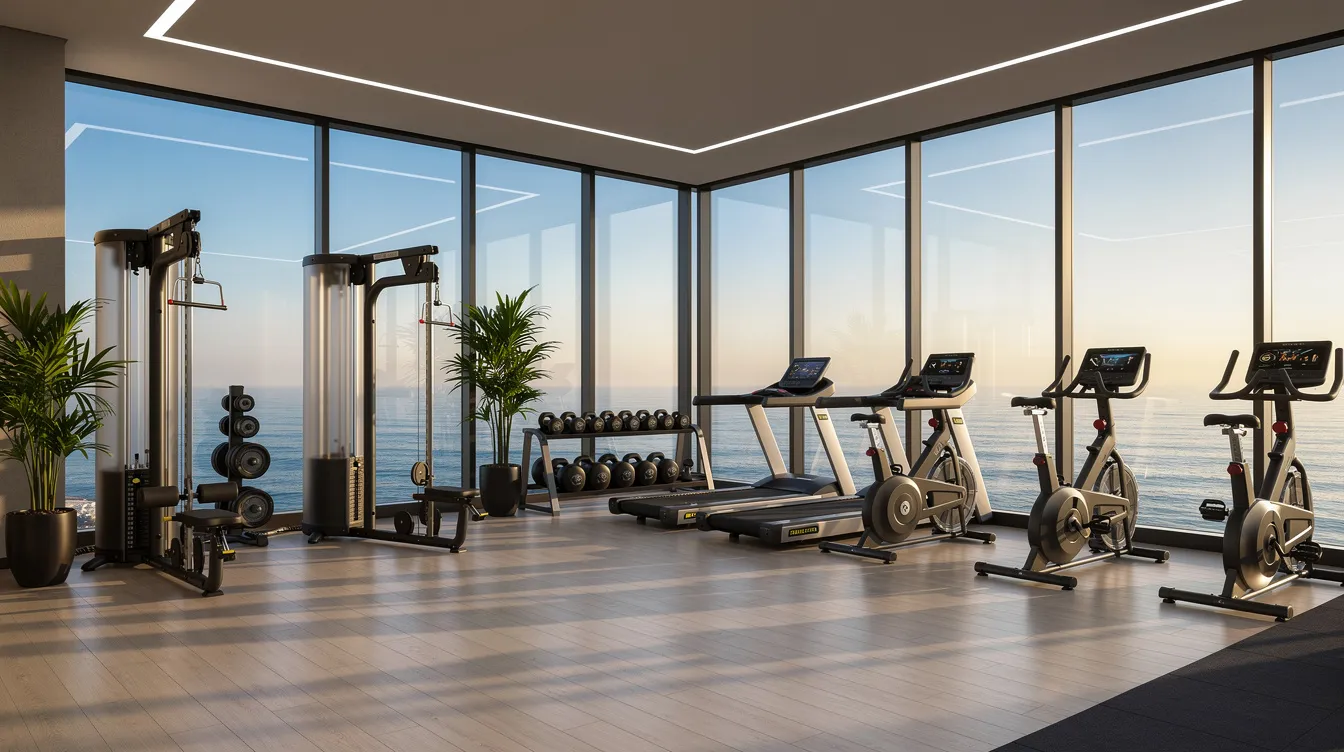
- Gyms and CrossFit boxes: R$150-250/month for gym membership
- Coworking spaces: Botafogo and Leblon have WeWork-style options (day passes ~R$50)
- Barbers, beauty salons, and wellness services abundant
Working, Studying, and Learning Portuguese in Rio
Rio’s economy has shifted from oil and heavy industry toward services, tourism, media (Globo headquarters), and creative industries. Remote work has boomed among expats, especially since digital nomad visa options expanded in 2022.
Work situations for foreigners:
- Multinational companies (Vale, major banks, tech firms)
- NGOs and international organizations
- Universities and research institutions
- Remote work/digital nomad arrangements
- Requires legal work authorization for local employment
International and bilingual schools:
- Concentrated in Barra da Tijuca and Zona Sul
- Options: Chapel School, Lycée Français, St. Paul’s Britânica, British School
- Tuition: R$4,000-6,000/month
- Year-long waitlists common—apply early
Portuguese is essential beyond expat enclaves:
- Landlords, utility companies, public offices require Portuguese
- Most workplaces outside multinationals operate in Portuguese
- Spanish helps but isn’t sufficient
- Start lessons before arrival or within first weeks
Learning options:
- Language schools (Berlitz: ~R$1,200/20 hours)
- Private tutors: ~R$80/hour
- Online platforms and tandem language exchanges
- Immersion happens naturally through daily life
Business culture norms:
- Relationship-building matters more than quick transactions
- More flexible timekeeping than Northern European or American standards
- Warm, sometimes indirect communication styles
- Lunches used for networking and relationship maintenance
Commuting and Getting Around
Public transport options:
- Metro: Lines serving Zona Sul and Barra (via Line 4), safest and most predictable
- BRT: Bus rapid transit corridors in the West Zone
- VLT tram: Centro and port area
- Regular buses: Extensive but crowded, more vulnerable to pickpocketing
Ride-hailing dominates:
- Uber and 99 widely used
- Relatively affordable: R$20-40 for typical Zona Sul trips
- GPS tracking adds safety reassurance
- Door-to-door convenience in a city where walking distances can be deceiving
Cycling infrastructure:
- 60km of bike lanes along beaches and Lagoa Rodrigo de Freitas
- Bike-sharing schemes available
- Caution needed on traffic-heavy streets
Car ownership:
- More essential in Barra da Tijuca and hillside neighborhoods
- Less necessary in compact Zona Sul where metro, walking, and apps suffice
- Consider holding off on buying until you understand your actual needs
Cost of Living in Rio de Janeiro
2025-2026 monthly budget estimates:
Lifestyle | Monthly Total (R$) | Monthly Total (USD) |
|---|---|---|
Single, modest | R$5,000-8,000 | $900-1,500 |
Single/couple, comfortable | R$10,000-20,000 | $1,900-3,700 |
Family with school fees | R$20,000-35,000+ | $3,700-6,500+ |
Budget breakdown (comfortable single): |
- Rent (Botafogo studio/1-bed): R$3,500-5,000
- Groceries: R$800-1,200
- Transport (Uber, metro): R$400-600
- Eating out: R$1,000-1,500
- Gym membership: R$200
- Health insurance: R$400-600
- Utilities: R$400-500
Key cost considerations:
- Rent consumes 40-60% of most budgets
- Imported goods cost 2-3x more than home country prices (iPhone R$8,000 vs ~US$800)
- Local produce, street food, and services remain relatively affordable
- Leblon/Ipanema command Brazil’s highest per-square-meter prices
- Exchange rate fluctuations affect real purchasing power
Grocery notes:
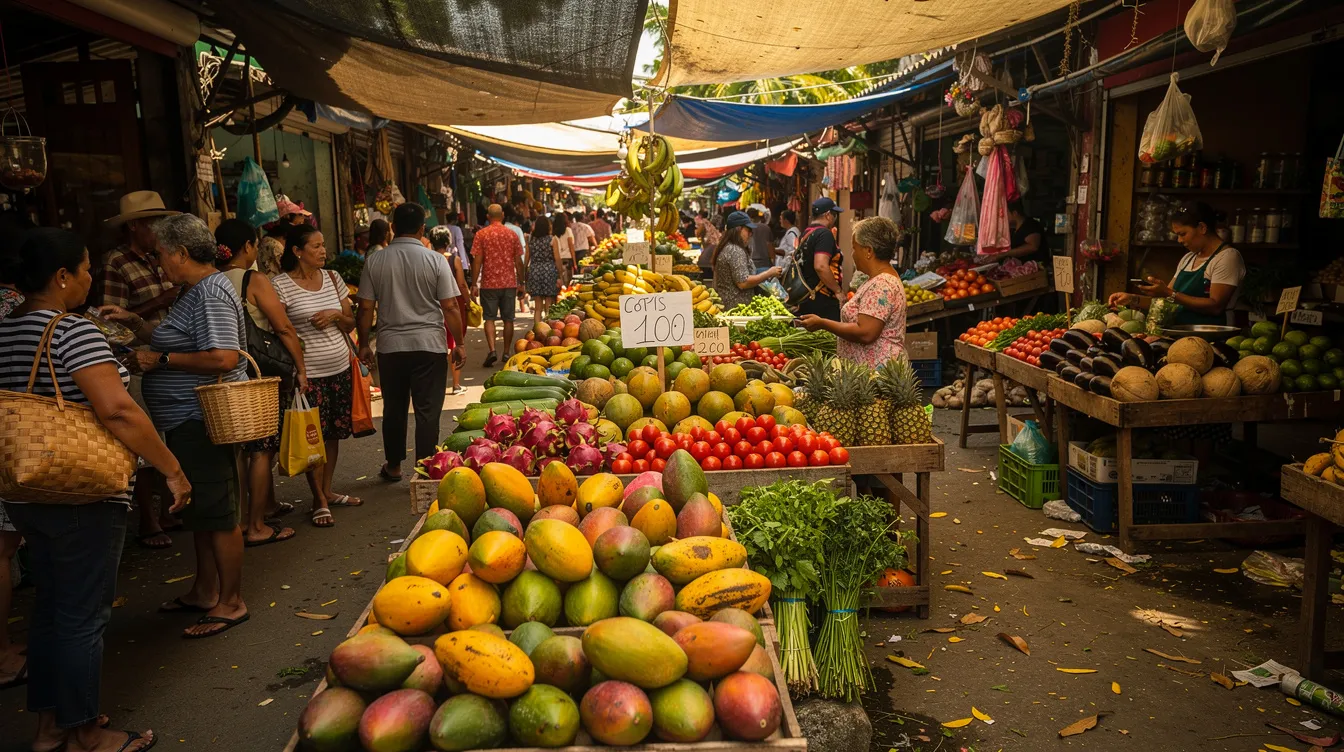
- Feiras livres (weekly markets): Fresh fruit R$5-15/kg
- Supermarket chains (Pão de Açúcar, Zona Sul): R$1,000-1,500/month for a couple
- Por-kilo buffet lunch: R$40-60 for a full plate
Eating, Shopping, and Free Time
Rio’s food scene has evolved far beyond feijoada and churrasco, though these classics remain essential experiences.
Culinary landscape:
- Traditional: Feijoada (black beans and pork stew with toasted manioc flour), churrasco, seafood
- Growing options: Japanese (Goya in Leblon), contemporary fusion, vegetarian/vegan (Bioatlântico)
- Everyday: Por-kilo buffet restaurants, botecos, beach kiosks
Shopping patterns:
- Large supermarket chains for regular needs
- Feiras livres (weekly markets) for fresh produce—tropical fruits are exceptional value
- Shopping centers for air conditioned browsing and entertainment
- Imported foods, wines, cheeses carry premium prices
Dining culture:
- Botecos: Casual bar-restaurants serving petiscos (small plates) with cold beer
- Caipirinha: Brazil’s national drink—cachaça (sugar cane spirit), crushed lime, sugar
- Fresh juices (sucos naturais) from juice bars everywhere
- Strong espresso-style coffee throughout the day
Free time highlights:
- Hiking: Tijuca Forest’s rainforest trails and viewpoints (Pico da Tijuca 1,012m), Pedra da Gávea (monkey sightings likely)
- Landmarks: Christ the Redeemer statue, Sugar Loaf cable car, Maracanã Stadium tours
- Water: Surfing (Arpoador), stand-up paddling on Lagoa, beach sports
- Music: Live samba in Lapa, Brazilian funk in various venues
- Culture: Museums (MAR, Museu do Amanhã), contemporary art galleries
Weekend getaways from Rio:
- Búzios: Beach resort town, 2 hours by car
- Paraty: Colonial architecture coastal town, 3 hours
- Ilha Grande: Car-free island paradise, ferry access
- Petrópolis and Serra dos Orgaos towns: Mountain escapes when Rio heat peaks, all of which are available as organized private day trips from Rio
Watch the sunset from Arpoador as the sun sinks behind Two Brothers Mountain—it’s become a nightly ritual where crowds applaud as the sky turns orange. Free, unforgettable, and quintessentially Rio.
Religion, Culture, and Local Customs
Brazil remains majority Christian, with historically strong Roman Catholic roots alongside a rapidly growing evangelical Protestant community. Afro-Brazilian religions like candomblé and umbanda maintain significant presence, especially in Rio, where traditions blend fluidly.
Religious landscape:
- Many Brazilians mix Catholicism with Afro-Brazilian traditions
- Practice ranges from devout weekly attendance to cultural identification
- Major religious moments: New Year’s offerings to Iemanjá (sea goddess), patron saint festivals
- English-language congregations: Anglican, Catholic, evangelical—primarily in Zona Sul and Barra
Major cultural moments:
- Carnival (February/March): The world’s largest party, with blocos (street parties), parades, and costumes
- Réveillon (New Year’s Eve): Millions gather on Copacabana beach wearing white for fireworks
- Year-round: Music events, film festivals, art openings
Traffic, noise, and rental implications: These events impact daily life—plan around them or embrace them.
Etiquette basics:
- Friendly and open, not overly formal
- First names used quickly
- Handle lateness with flexibility rather than frustration
- “Jeitinho brasileiro”—creative problem-solving that bends rules—is cultural norm
Family and children:
- Children welcome in restaurants at all hours
- Large family gatherings are common
- Extended family networks remain central to social life
- Birthday parties can be elaborate productions
The Last Word: Is Rio de Janeiro a Good Place to Live?
Rio de Janeiro delivers an extraordinary combination that few cities can match: sea and mountain within the same view, year-round outdoor living, genuinely warm and social people, and a creative energy that pulses through neighborhoods.
The challenges are real. Safety requires constant awareness without paranoia. Bureaucracy tests patience. Traffic can turn simple errands into expeditions. The gap between rich and poor confronts you daily.
But many expats arrive for a planned year and stay for five. The combination of nature, culture, and human warmth creates a life rhythm that’s difficult to replicate elsewhere in the world. The key is entering with realistic expectations and proper preparation.
Before committing:
- Visit for 4-8 weeks across different seasons
- Stay in 2-3 different neighborhoods to compare
- Begin Portuguese immediately
- Get your paperwork in order (CPF, visa, documents)
- Talk to other expats and long-term residents
Rio rewards preparation and flexibility. Those who thrive here are those who embrace its contradictions—the chaos alongside the beauty, the frustrations alongside the joy. It’s not for everyone, but for those it suits, life in this marvelous city becomes difficult to leave.
FAQ about Living in Rio de Janeiro
Do I need a car to live comfortably in Rio?
In compact Zona Sul neighborhoods (Leblon, Ipanema, Copacabana, Botafogo, Flamengo), most residents live comfortably without cars. Metro covers key routes, Uber and 99 are affordable, and many destinations are walkable. Bike lanes along the waterfront work for fitness and short trips.
In Barra da Tijuca and hillside neighborhoods, a car becomes significantly more convenient for school runs, shopping, and commuting due to distances and less dense transit coverage. Start without a car if living in Zona Sul, then reassess after a few months based on your actual routines.
Can I live in Rio de Janeiro without speaking Portuguese?
Initially, yes—especially in expat-heavy areas and tourist zones where English and basic Spanish get you through hotels, some restaurants, and multinational offices.
For long-term living, Portuguese becomes very important. Rental contracts, medical appointments outside premium clinics, utility companies, public offices, and forming friendships beyond expat circles all require Portuguese. Start classes before arriving or within your first weeks to ease integration and reduce daily frustration.
How long should I plan to stay before deciding to move permanently?
Plan an initial stay of at least 4-8 weeks, ideally split across different seasons (part in hot, humid summer; part in cooler winter). This reveals how climate, traffic patterns, and social life actually function rather than what they look like in photos.
Stay in two or three different neighborhoods during this trial period—perhaps Ipanema, Botafogo, and Barra da Tijuca—to compare lifestyles and commutes. Use this time to view long-term rentals, research schools, talk to employers, and begin bureaucratic processes like obtaining your CPF.
Is Rio a good place for families with children?
Rio offers genuine advantages for families: a family-friendly culture where children are welcome everywhere, outdoor lifestyle with beaches and parks, and international schools offering IB and foreign curricula.
Concerns include safety considerations (school runs, play areas, transport choices), high private education fees (R$4,000-6,000/month), and the importance of choosing neighborhoods with excellent infrastructure. Barra da Tijuca, Leblon, Ipanema, Jardim Botânico, and Gávea are common family choices.
Research schools and waitlists early—year-long waits are normal for popular institutions. Connect with other expat families in your chosen area for firsthand experiences.
What are the biggest surprises for new residents in Rio?
Common surprises include:
- Bureaucracy intensity: Simple tasks require multiple documents, office visits, and patience
- Time flexibility: Social and business meetings start late as a cultural norm
- Bathroom protocol: Toilet paper goes in bins, not the toilet, in most bathrooms due to plumbing
- Beach dress codes: Casual beachwear is acceptable almost everywhere
Positive surprises often include how quickly strangers become acquaintances, the constant presence of nature even in urban areas, and cultural variety beyond samba—Brazilian funk, rock, contemporary art, and international influences all thrive.
Approach these surprises with curiosity rather than judgment. Flexibility is the essential skill for enjoying Rio de Janeiro living to its fullest.