
February 23, 2025

Written by
Fabio Mendonça
The Ultimate Guide to Pedra do Sal: History, Culture and Must-Visit Spots in Rio de Janeiro
Pedra do Sal is far more than just a historic landmark – it’s a cultural cornerstone of Rio de Janeiro. Known as the birthplace of samba and a hub for Afro-Brazilian heritage, this iconic site has a load to offer for anyone looking for a truly immersive experience of music, history and vibrant street life. Whether you’re here for the music, the food, or the fascinating history, Pedra do Sal is a must-see destination in Rio that you won’t want to miss.
In This Article
ToggleIn This Article
1. The History of Pedra do Sal
- The Origin Story of Pedra do Sal: Named after its early days as a salt trading hub , Pedra do Sal was at the very heart of Rio’s port economy. This massive stone slab was where enslaved Africans would offload and store salt, laying the foundations for a community that would end up playing a pivotal role in shaping Rio’s cultural landscape.
- Afro-Brazilian Roots: As enslaved Africans settled around Pedra do Sal, they brought with them a wealth of cultural traditions, music and religious practices such as Candomblé. Over time, these influences became the very backbone of the region’s Afro-Brazilian identity, blending African and Brazilian customs into a unique cultural tapestry that’s unlike anywhere else.
2. Cultural Significance and Heritage
- A UNESCO-Recognized Site: Pedra do Sal is a symbol of Afro-Brazilian resistance and resilience – a living reminder of the struggles and triumphs of Brazil’s African diaspora. Its historical and cultural relevance extends far beyond music.
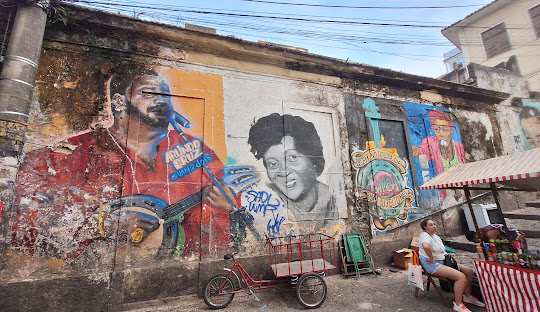
- Afro-Brazilian Resistance and Art: The walls around Pedra do Sal are adorned with vibrant murals and street art, celebrating black identity, cultural pride, and the legacy of resistance against colonial oppression. These works of art put the struggles and triumphs of Rio’s Afro-Brazilian history right into sharp focus.
3. The Birthplace of Samba
- The Origins of Samba: Samba was born in the gatherings of Afro-Brazilian communities at Pedra do Sal back in the early 20th century. By merging African drumming with Portuguese melodies and indigenous influences, samba became the defining rhythm of Brazilian identity.
- The Samba Legends: Musicians like Donga, Pixinguinha and João da Baiana left their mark here, creating timeless compositions that laid the foundations for modern samba. Their music is still inspiring new generations of artists in Rio’s vibrant samba scene today.
4. Experiencing Samba da Pedra do Sal
- Live Samba Events: Every Thursday to Sunday, Pedra do Sal transforms into a bustling open-air party – with local bands playing traditional and modern samba. The crowd sings, dances and celebrates together – and the best part? It’s all completely free.
- Dancing with Locals: These gatherings are every bit as much about getting involved as they are about performance. Visitors are encouraged to join in the dance, connect with locals and get swept up in the infectious rhythm of Rio’s most iconic music genre.
5. Hidden Gems Near Pedra do Sal
- Conceição Hill: Tucked away behind the bustling streets is Conceição Hill (Morro da Conceição) – a peacefull neighborhood with cobblestone streets, colourful colonial houses and small art studios. A walk up the hill offers breathtaking views of Rio’s port area.
- Bafo da Prainha: This favourite local bar is known for its laid-back atmosphere, live music and lively crowd. Its the perfect place to unwind after a night of samba, with traditional Brazilian food and creative cocktails on offer.
- Angu do Gomes: Angu do Gomes is a beloved Brazillian eatery in Rio de Janeiro, famous for its delicious and traditional angu – a hearty cornmeal dish served with rich, flavorful stews. Founded back in the early 20th century, it has become a real institution for locals and visitors who want to experience authentic Carioca comfort food. With a casual atmosphere and affordable prices, Angu do Gomes is a must-visit destination for anyone craving a taste of Rio’s culinary heritage.
Don’t Just Visit Pedra do Sal – Understand Its Soul Most tourists just snap a few photos and leave.
Our Little Africa & Pedra do Sal Private Tour takes you on a six hour cultural journey through the hidden stories that shaped Rio. You’ll be able to walk in the footsteps of history, visit the UNESCO World Heritage Valongo Wharf where one million enslaved Africans arrived, explore the cobblestone streets of Morro da Conceição, and get behind the scenes of the City of Samba. This isn’t tourism – it’s cultural immersion led by people who live and breathe Rio’s African heritage.
Book Your Private Tour Now
6. Essential Nearby Attractions
- Cais do Valongo: once the main entry point for enslaved Africans to arrive in Brazil, Cais do Valongo is now a UNESCO World Heritage Site, offering a somber but essential look at the country’s colonial past when you visit this historic dock.
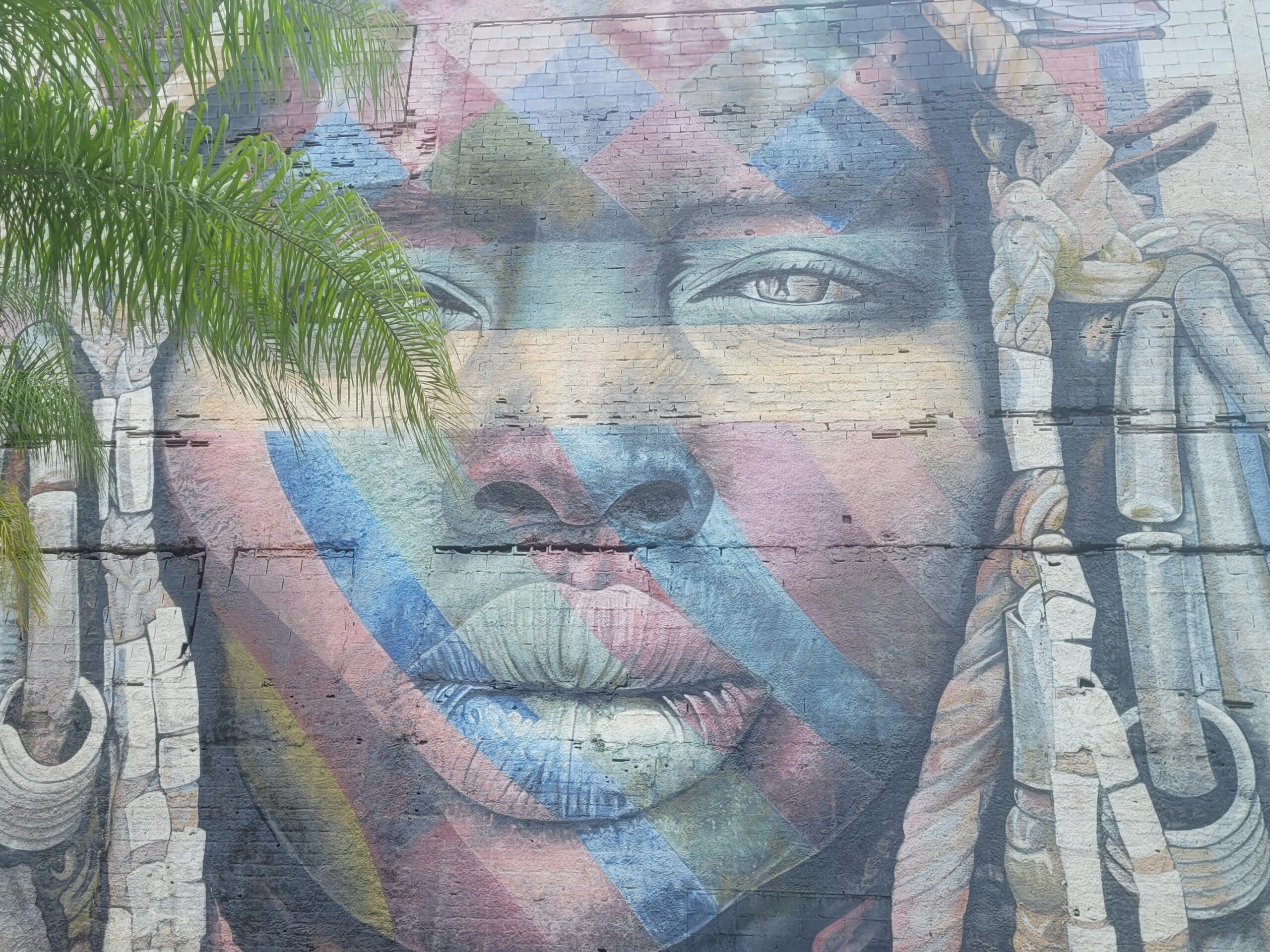
- Kobra Mural: Brazilian artist Eduardo Kobra’s vibrant work – a mural that honours indigenous cultures from around the world – stretches across a really massive warehouse wall. Its size makes it one of the largest street art pieces globally.
- Rio Star: at 90 metres tall, the Rio Star is Latin America’s tallest Ferris wheel, giving you a real bird’s eye view of Guanabara Bay and even Sugarloaf Mountain on a clear day. It’s an absolute must-do for anyone who wants to experience the city from a whole new perspective.
- Mosteiro de São Bento: this 16th century monastery really is a work of art – particularly if you’re looking for a peaceful spot to unwind. Try attending a Sunday mass when you can hear Gregorian chants echoing through its very ancient walls.
7. Pedra do Sal Travel Tips
- Best Time to Visit: if you want to see the area at its best, the weekends are the way to go – especially when samba is in full swing from Thursday to Sunday. Get down there early to secure a good spot near the main stage.
- Safety: while the area is generally pretty safe during events, it’s still a good idea to keep an eye on your surroundings, especially late at night. Don’t go flashing your valuables around and try to stick to well-lit areas if you can.
- What You Need to Bring: comfortable shoes are a must for dancing, a bit of cash for drinks and snacks – some vendors may not accept cards – and a light jacket for the evening breeze which can get a bit cool.
Why Pedra do Sal Should be on Every Traveler’s Bucket List
Pedra do Sal is more than just a place to visit – it’s a full-on celebration of Afro-Brazilian history and culture – and what Rio de Janeiro is all about. Whether you’re getting your feet moving in a samba circle, exploring some of the city’s incredible landmarks or just soaking up the energy in the streets, Pedra do Sal has got it all – and it will leave you with an unforgettable experience that really captures the soul of Brazil.
Book our exclusive Little Africa & Pedra do Sal private tour with Rio Cultural Secrets
Discover the deep African roots that have shaped Rio’s soul on our awesome 6-hour Little Africa & Pedra do Sal private tour. Come and join Rio Cultural Secrets as we delve deep into the heart of Afro-Brazilian culture, visiting the UNESCO World Heritage site that is the historic Valongo Wharf – where nearly one million enslaved Africans first set foot, then winding our way through the cobblestone streets of Morro da Conceição, where colonial history and modern street art go side by side – and finishing up at the legendary Pedra do Sal, the birthplace of samba where the rhythms still seem to be echoing through its stones every Monday night.
This isn’t just a tour – it’s an up-close and personal encounter with the stories, struggles and celebrations that are still pulsing through this incredible city’s veins – all guided by a local Carioca who can bring these amazing sites to life with a deep understanding and genuine respect. Book now to experience the real Rio that most tourists never get to see – limited to small groups of 4 people so that you get a truly personal and meaningful connection to this vital part of Brazilian history.