
February 23, 2025

The Ultimate Guide to Lapa, Rio de Janeiro: Samba, Street Art, and Nightlife
In the heart of Rio de Janeiro, Lapa stands as the city’s most bohemian neighborhood and a vibrant hub of bohemian culture. The Lapa neighborhood is central to Rio’s cultural scene, renowned for its eclectic artistic spirit, historic landmarks, and lively nightlife. Known for its electrifying atmosphere, vibrant street art, and as a gathering place for musicians and artists, Lapa is where music, creativity, and tradition intersect. Whether you’re in search of samba rhythms, colorful murals, or unforgettable nightlife experiences, this guide will help you explore everything the Lapa area has to offer as a key part of Rio’s cultural and nightlife landscape.
Location and Geography of Lapa
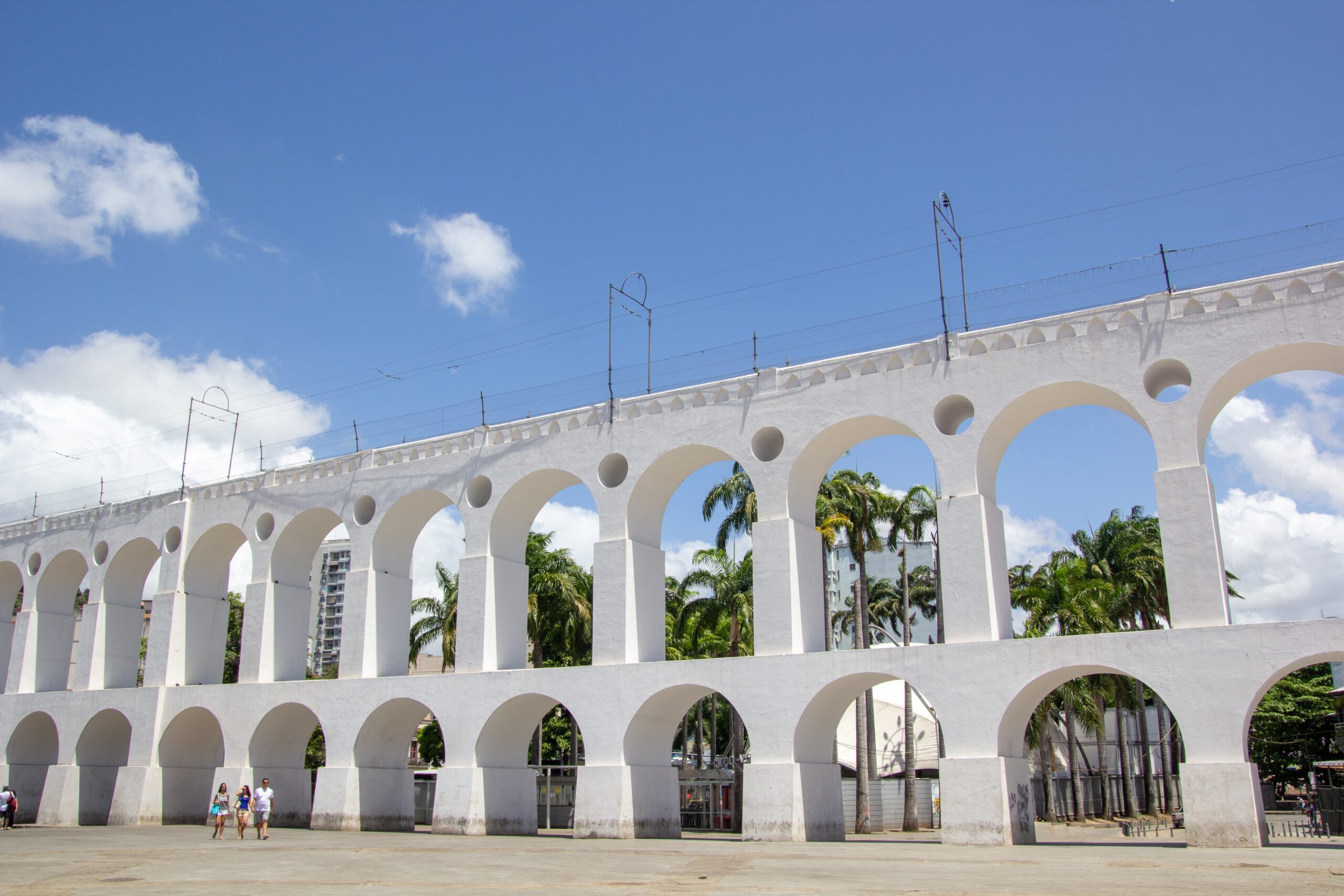
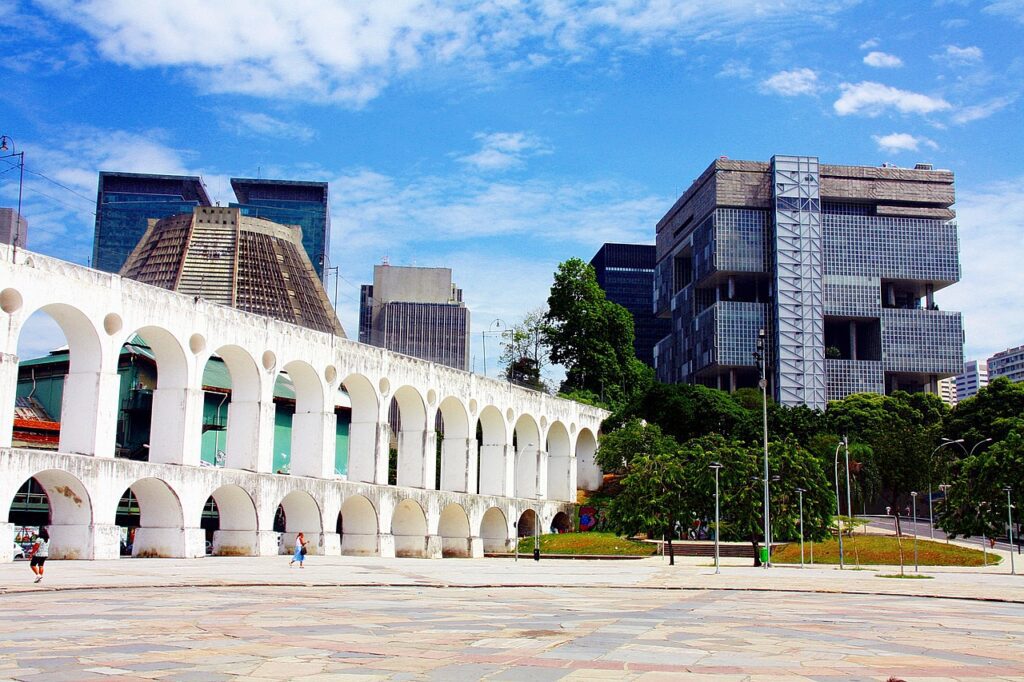
Nestled in the vibrant heart of Rio de Janeiro, Lapa is a neighborhood that pulses with energy and history. Located within the Centro district, Lapa sits just steps from the city center, making it a prime destination for anyone eager to explore Rio’s urban core. The neighborhood is famously anchored by the majestic Arcos da Lapa, a historic aqueduct that stands as one of the city’s most iconic landmarks and a gateway to the area’s bohemian spirit.
Lapa’s geography is defined by its undulating hills and winding streets, which create a unique urban landscape filled with hidden alleys and scenic viewpoints. The neighborhood is bordered by the lively Santa Teresa district, known for its artistic flair, and is just a short ride from the legendary Copacabana Beach. The Carioca River, once vital to the city’s development, traces the edge of Lapa, reminding visitors of Rio’s deep-rooted connection to its waterways.
Getting to Lapa is a breeze thanks to Rio’s extensive public transport network. Multiple bus lines and metro stations provide easy access from all corners of the city, making Lapa an ideal starting point for exploring the marvels of Rio de Janeiro. Whether you’re arriving from the bustling city center or the tranquil hills of Santa Teresa, Lapa welcomes you with open arms and endless possibilities.
A Brief History of Lapa
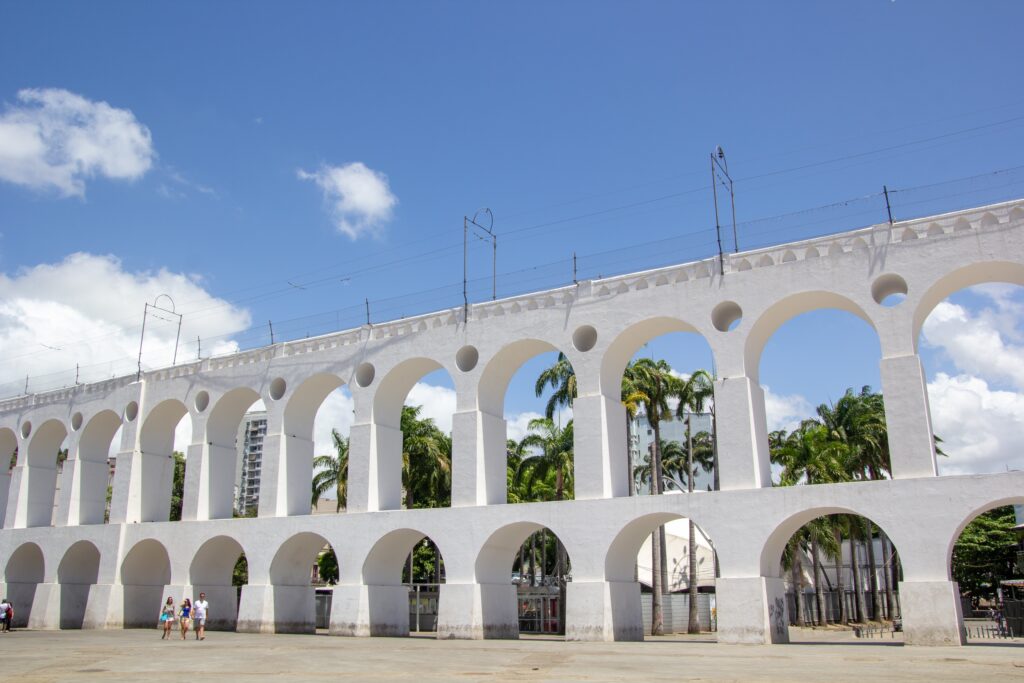
Lapa developed around the historic Carioca Aqueduct (Arcos da Lapa) and was originally a residential area in the 18th century. The Roman-style aqueduct, built in 1723, was designed to channel water from the Carioca River into downtown Rio, addressing the city’s water shortages. Measuring 270 meters long and 17.6 meters high, the Arcos da Lapa stands as one of the most iconic landmarks in Lapa, connecting the neighborhood to Santa Teresa and showcasing impressive colonial-era architecture. By the early 20th century, Lapa transformed into Rio’s bohemian epicenter, attracting artists, musicians, and intellectuals.
The district experienced a revival in the late 1990s and 2000s, thanks to government support and community movements that helped revitalize Lapa, preserve its 19th-century architecture, and modernize its infrastructure. Today, Lapa’s unique blend of history and contemporary culture draws both locals and travelers.
Top Things to Do in Lapa
1. Arcos da Lapa (Lapa Arches)
The most iconic landmark of the district, the Lapa Arches—also known as the Carioca Aqueduct—were originally built in 1723 as a Roman-style structure to channel water into downtown Rio de Janeiro, addressing the city’s colonial-era water shortages. Today, they support the Santa Teresa Tram, which offers picturesque views of the neighborhood. At night, the arches become a meeting point for street performers and partygoers.
2. Selarón Steps (Escadaria Selarón)
A masterpiece by Chilean artist Jorge Selarón, these world-famous steps are decorated with over 2,000 colorful tiles from around the world. Perfect for photos, the steps are a symbol of Lapa’s vibrant, artistic soul.
3. Santa Teresa Tram
This vintage tram is one of the oldest streetcar lines in Brazil, offering a scenic ride from Lapa to the charming neighborhood of Santa Teresa. The ride provides stunning views of downtown Rio and is a must-do for first-time visitors.
4. Metropolitan Cathedral of Rio de Janeiro
An architectural gem, the Cathedral of Saint Sebastian was completed between 1964 and 1979, stands 80 meters high, and can accommodate around 20,000 people. Its modern, conical design is inspired by Mayan pyramids. Inside, four towering stained glass windows stretch from floor to ceiling, offering a breathtaking spiritual atmosphere. In the cathedral’s basement, you’ll find the sacred art museum, which houses an impressive collection of religious artifacts, sculptures, and sacred artworks.
5. Street Art and Cultural Events
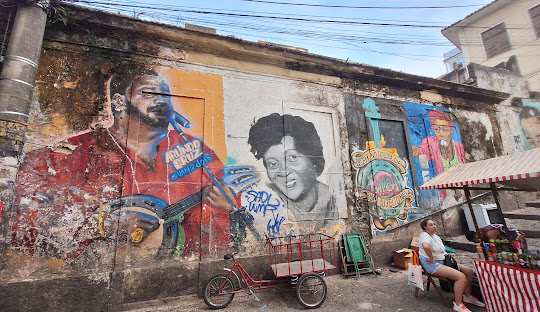
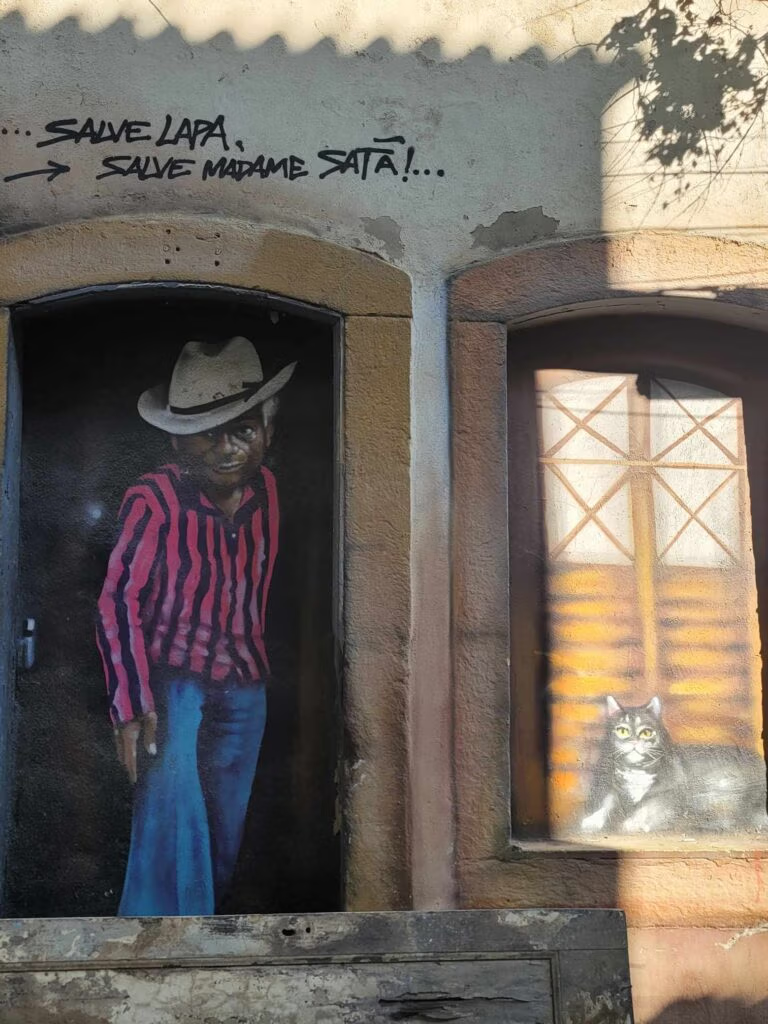
Lapa’s walls are alive with colorful murals that reflect Rio’s diverse culture. Street performers, capoeira dancers, and live musicians often take over public spaces, creating a lively, spontaneous festival atmosphere every night.
Special Tip
For a true taste of Brazilian culinary culture, enjoy a delicious feijoada at Bar do Adauto, a hearty black bean stew with pork that’s considered a national treasure. Lapa is renowned for its diverse dining options, including traditional Brazilian and Portuguese cuisine, as well as contemporary dishes. Rua Lavradio (Lavradio Street), the first street built in Rio, is a lively hub for bars and restaurants serving a variety of cuisines, making it a great place to explore local eateries. Don’t miss the Feira do Lavradio street fair, where you can sample inexpensive local dishes and browse antiques and crafts. Popular dining spots in Lapa include Adega Flor de Coimbra for Portuguese food, Bar e Restaurante Os Ximenes for northeast Brazilian dishes, and Bar do Ernesto for German cuisine. Afterward, head over to Bar da Cachaça to try one of their famous batidas—a sweet, creamy cocktail infused with fruity flavors and Brazil’s signature sugarcane spirit.
Where to Stay in Lapa in Rio de Janeiro
1. Selina Lapa Rio de Janeiro
A modern hotel popular among digital nomads and creatives, Selina offers shared workspaces, stylish rooms, and a rooftop bar with breathtaking city views.
2. Villa Galé Rio de Janeiro
Housed in a beautifully restored colonial building, Villa Galé provides luxury accommodations and a relaxing pool area—a perfect retreat after a night of dancing and exploring.
Airbnb Options
For those looking for a more personalized experience, there are plenty of Airbnb rentals available, including chic lofts and apartments with views of Lapa’s bustling streets.
Safety Tips: Take Care in Lapa
Lapa is a lively and welcoming district, but like any busy urban area, it requires some caution:
- Be aware of your surroundings: There are many homeless individuals in the area, and while most are harmless, it’s best to remain cautious.
- Avoid walking alone at night: Especially near landmarks like the Selarón Steps and the Lapa Arches, stick to well-lit areas and avoid dark streets.
- Use Uber or taxis: If you’re out late enjoying the nightlife, take a ride-share service directly from your hotel instead of walking.
- Keep valuables secure: Petty theft can occur in crowded areas, so keep an eye on your belongings.
Best Samba Clubs in Lapa
Lapa is the beating heart of Rio’s samba scene. Here are some of the best spots to experience authentic Brazilian music:
1. Beco do Rato
A cozy venue known for its intimate atmosphere and live samba performances, this club is a favorite among locals.
2. Vaca Atolada
An unpretentious venue offering excellent live music, traditional Brazilian food, and a laid-back vibe.
3. Boteco da Garrafa
A vibrant bar known for its variety of Brazilian craft beers and lively samba sessions.
4. Carioca da Gema
One of Lapa’s most famous samba clubs, Carioca da Gema is renowned for its live samba music performances, showcasing top-tier samba musicians and an energetic dance floor.
5. Rio Scenarium
Rio Scenarium is a popular bar and an important venue in Lapa, renowned for its vibrant atmosphere, three floors of Brazilian music, and eclectic antique décor. Due to its high demand, reservations are recommended to secure a spot at this iconic destination in Rio’s nightlife scene.
Lapa is more than just a neighborhood—it’s the cultural heartbeat of Rio de Janeiro. From its historic arches and colorful steps to the lively samba clubs and vibrant street art, Lapa offers a uniquely Brazilian experience that captivates every visitor. Whether you’re dancing until sunrise, exploring the colorful streets, or enjoying a quiet drink at a rooftop bar, Lapa promises memories that will last a lifetime.
Nearby Attractions
Lapa’s central location in Rio de Janeiro means you’re never far from some of the city’s most captivating attractions. Just a short walk or tram ride away is the enchanting neighborhood of Santa Teresa, accessible via the historic Santa Teresa Tram. This area is renowned for its cobblestone streets, eclectic art studios, and sweeping views of the city below.
For those seeking panoramic vistas, Ruins Park (Parque das Ruínas) offers a stunning lookout over Sugarloaf Mountain and the sparkling coastline—a must-see for photographers and nature lovers alike. Sports enthusiasts can venture to the iconic Maracanã Stadium, a symbol of Brazil’s passion for football, while sunseekers will find the world-famous Copacabana Beach within easy reach for a day of relaxation on golden sands.
History buffs will appreciate the proximity to Passeio Público, one of Rio’s oldest public parks, where lush gardens and classical sculptures provide a peaceful escape from the city’s hustle. With its rich history, architectural gems, and vibrant cultural scene, Lapa is perfectly positioned as a gateway to the best of Rio de Janeiro, ensuring every day brings a new adventure.
Events and Festivals in Lapa
Lapa is synonymous with celebration, and its calendar is packed with events that showcase the very best of Brazilian music and culture. Every night, the neighborhood comes alive with the sounds of samba, choro, and electronic music spilling from legendary venues like Rio Scenarium, where live performances light up the dance floors across three floors of dazzling décor.
For those seeking a true taste of Lapa nightlife, popular bars such as Arco Iris and Carioca da Gema offer a huge variety of music styles, from traditional samba to contemporary beats. These venues are beloved meeting points for locals and visitors alike, promising unforgettable nights filled with rhythm and revelry.
The weekly Lapa Fair transforms the streets into a vibrant open-air festival every Saturday, featuring live music, artisanal crafts, and mouthwatering street food. Whether you’re drawn by the infectious energy of the dance floors or the relaxed atmosphere of a sidewalk bar, Lapa’s events and festivals ensure there’s always something happening after dark in Rio.
Embracing the Spirit of Lapa
Lapa is the beating heart of Rio de Janeiro—a neighborhood where the city’s rich history, iconic landmarks, and vibrant cultural scene converge in a celebration of life. From the soaring arches of the Arcos da Lapa to the awe-inspiring Metropolitan Cathedral, every corner tells a story of creativity and resilience. The relaxed atmosphere of Lapa’s bars and the electrifying pulse of its nightlife invite you to experience the true essence of the Marvelous City.
Whether you’re exploring the artistic streets of Santa Teresa, soaking in the rhythms of Brazilian music, or simply enjoying a quiet moment beneath the city lights, Lapa offers a unique blend of tradition and modernity. It’s a place where unforgettable memories are made—where music, history, and community come together to create an experience unlike any other in Rio de Janeiro. For travelers seeking the soul of the city, Lapa is not just worth visiting—it’s essential.