

May 23, 2023

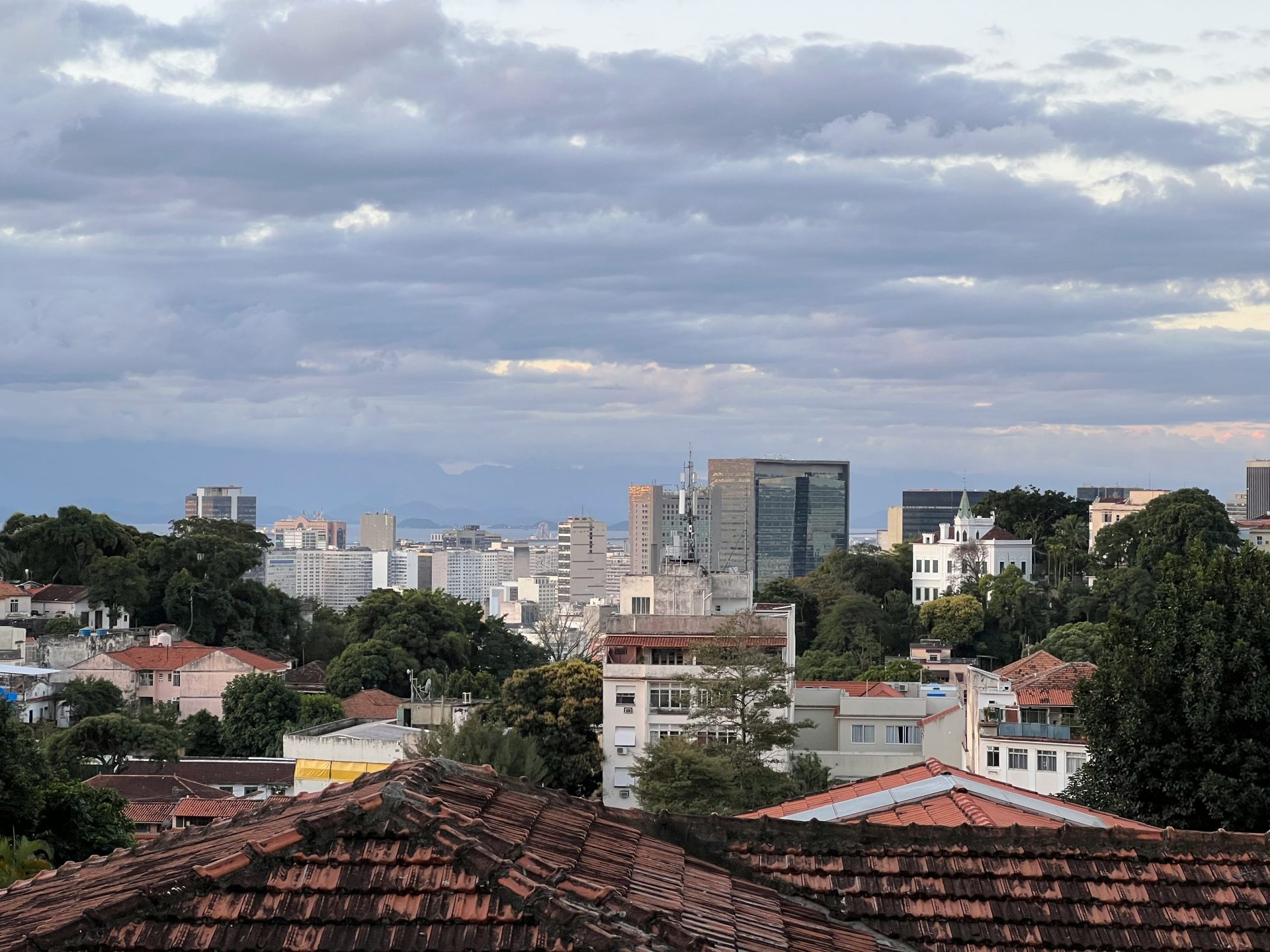
Rio’s financial and historic center holds secrets that most visitors — and honestly, many locals — never discover. This is where the major political events of Brazilian history happened, and exploring it with a private guide from Rio Cultural Secrets turns a walk through old streets into an exclusive journey through five centuries of stories.
A Short History
Rio was founded at the foot of Sugarloaf Mountain in 1565, but the city was soon transferred to what is now downtown for protection against pirate and privateer invasions. Around Sugarloaf and the bay entrance, twelve fortresses were built over the course of 200 years to defend the city’s gateway. The new center grew surrounded by four hills: Santo Antônio, where the Metropolitan Cathedral stands today; São Bento, home to the São Bento Monastery; Conceição, around Pedra do Sal; and Castelo Hill — which no longer exists, as it was demolished and its stones used for landfills around the city.
Then came the event that changed everything. In 1808, escaping Napoleon’s wars, King Dom João VI transferred the entire Portuguese court to Rio — making it the capital of the Portuguese Empire, the only European capital ever located outside Europe. The arrival hit the city like a bomb: around 10,000 Portuguese nobles disembarked, and roughly 10,000 Brazilian families were forced out of their homes to accommodate them. The city grew fast and chaotically from there.
Downtown Rio is the cradle of the Brazilian monarchy. Its colonial streets, mansions, and churches reveal details of a history that even many Cariocas don’t know. And at Pedra do Sal, the saddest chapter of our past comes to light: Rio was the largest slave port in the world, and the Valongo Wharf area preserves that memory — a place I always tell guests deserves silence and respect before photos.
Why Downtown Rio Surprised Even Me
Before becoming a guide, I was like most Cariocas: I passed these landmarks every day without recognizing the history behind them. Our school books don’t give much emphasis to the monarchy period — some say intentionally, to avoid giving strength to the movement. It was only during my tour guide certification that I truly learned to love this city, studying its history through the eyes of a visitor. And I was stunned by how much happened in this small quadrilateral: the abolition of slavery, the arrival of the Portuguese king, his coronation, and the coronations of the two emperors Brazil’s monarchy had — all here, within a few blocks.
Showing these stories to travelers is a journey back in time that enchants everyone. Including me. After 14 years of guiding, I still get impressed walking these streets.

What to See in Downtown Rio
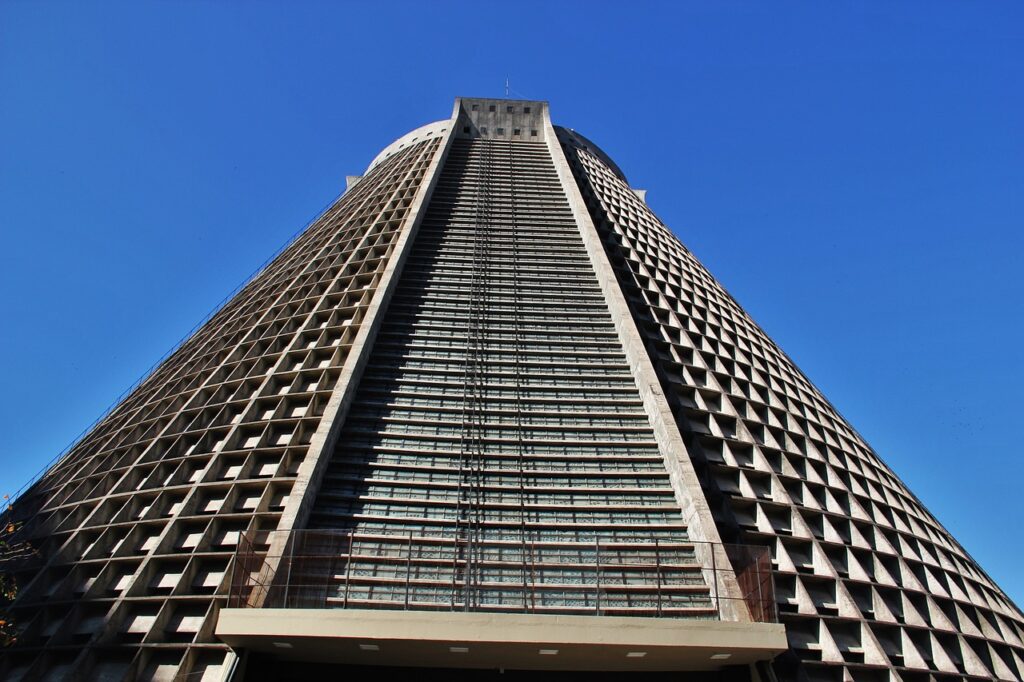
Metropolitan Cathedral The pyramid-shaped cathedral that surprises everyone — read our complete guide to the Metropolitan Cathedral for its hidden secrets.
Cinelândia Square Area Cinelândia is Rio’s civic heart, and its highlights sit within steps of each other: the National Library, whose entrance hall alone is worth the stop, and the magnificent Municipal Theater — inside visits run on fixed departures, so check the official website for schedules before you go.
Carioca Square Area
- Santo Antônio Convent and its baroque churches — one of the oldest constructions in the city
- Confeitaria Colombo — the belle époque café that survived a century
- Saara street market
- São Francisco de Paula Church
- Royal Portuguese Cabinet of Reading — the fourth most beautiful library in the world
XV de Novembro Square Area
This square concentrates more history per square meter than anywhere else in Brazil: the Paço Imperial, where the monarchy governed; the Carmo Church, which served the royal family; the Arco do Teles, a passage into colonial-era alleyways; the charming Nossa Senhora da Lapa dos Mercadores Church; the CCBB (Banco do Brasil Cultural Center), with world-class free exhibitions; the imposing Candelária Church; and the Olympic Torch from Rio 2016.
Port Area (Porto Maravilha)
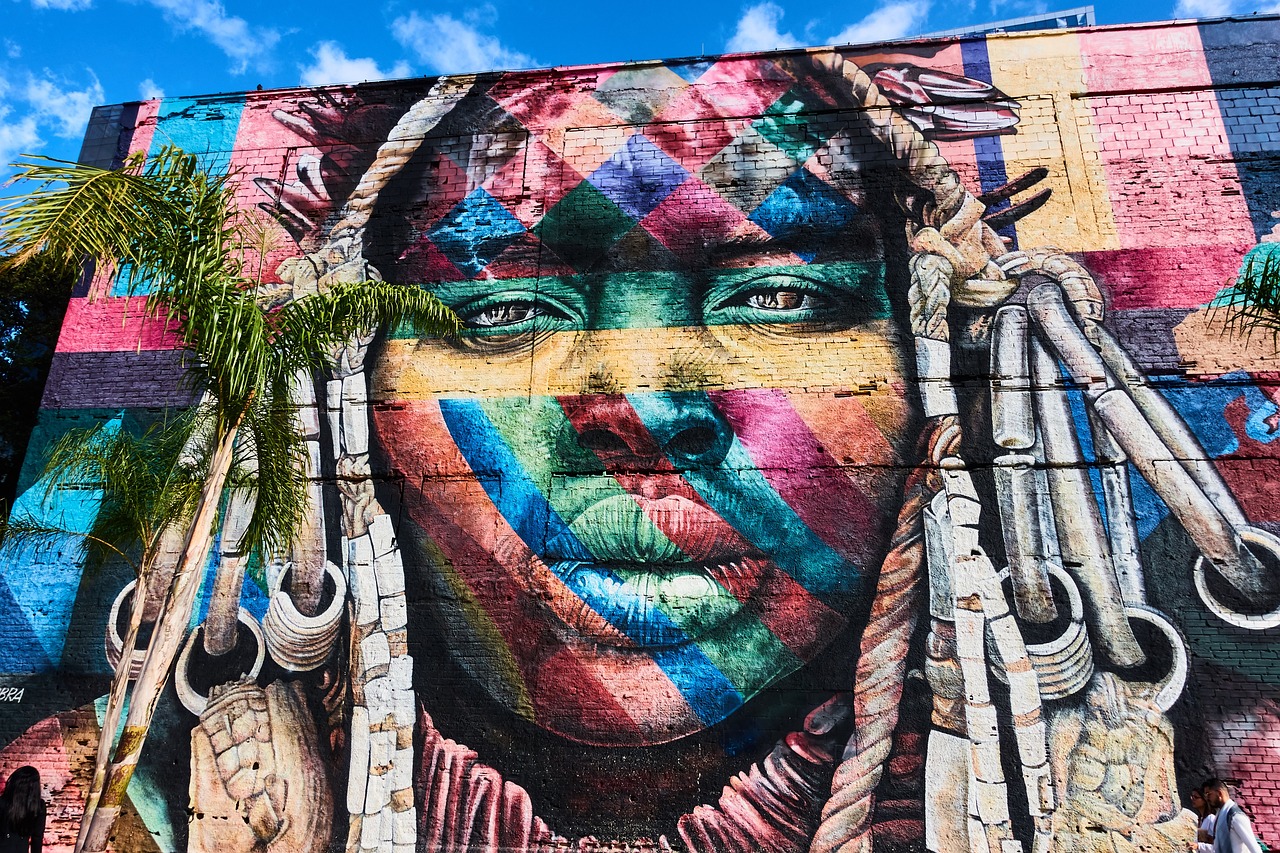
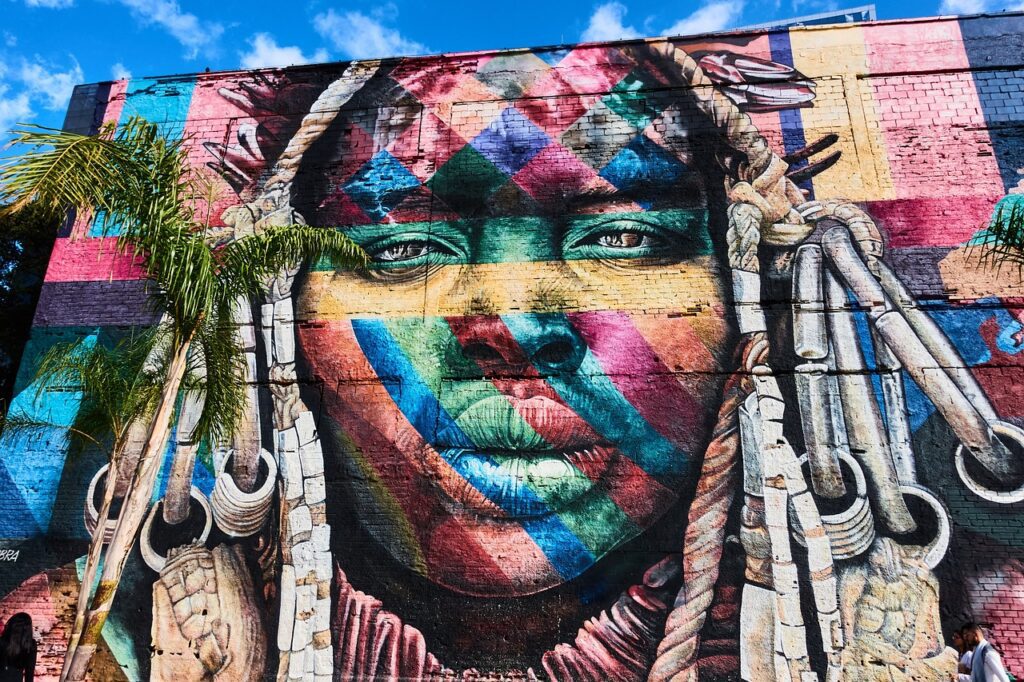
The revitalized port zone blends the city’s deepest history with its most modern attractions: the São Bento Monastery, plain outside and pure gold inside; Pedra do Sal, birthplace of samba and home of the Monday night roda; the Valongo Wharf, a UNESCO World Heritage Site; the futuristic Museum of Tomorrow; the Art Rio Museum (MAR); the Pretos Novos Institute; the Rio Star Ferris wheel; the Etnias Mural, one of the largest street murals on the planet; the AquaRio aquarium; Cidade do Samba; and the Sambadrome.
What Should You Not Miss in Downtown Rio?
If your time is short, my top five: Municipal Theater, CCBB, São Bento Monastery, Santo Antônio Convent, and the Royal Portuguese Cabinet of Reading. These five alone justify a full morning downtown.
Is Downtown Rio Walkable?
Yes — downtown is best explored on foot, with easy access by metro and bus. But it requires attention: some areas show visible social vulnerability, and it’s easy for first-time visitors to drift into emptier streets without realizing. On our private tours, we handle the route, the timing, and every detail — you just enjoy the history.
Explore Downtown Rio on a Private Tour
We offer three ways to experience this history with exclusive transportation and a private guide:
Little Africa Private Tour (4 hours)
For those who want to understand the African heritage of Rio, we visit seven attractions in a route that includes UNESCO-protected heritage sites around the port area.
Downtown Historic Tour (4 hours)
The heart of the city: the main squares, churches, palaces, and libraries, from Cinelândia to XV de Novembro Square.
The complete experience: downtown’s Praça XV, Cinelândia, and Carioca Square, then up to the bohemian and romantic neighborhood of Santa Teresa to visit Parque das Ruínas, Largo dos Guimarães, and the Selarón Steps.
Contact us for more information — it will be a pleasure to show you these historic corners of Rio.