


December 8, 2025

Is Santa Teresa Rio Safe? : Complete Neighborhood Guide to Santa Teresa Rio de Janeiro
Introduction to Santa Teresa: Rio’s Bohemian Hilltop Neighborhood
Nestled high above the bustling streets of Rio de Janeiro, Santa Teresa offers a unique blend of history, culture, and breathtaking views. The neighborhood is renowned for its lovely, winding streets and great views thanks to its hilltop location, making it a picturesque area perfect for strolling and sightseeing. Known for its cobblestone streets, colonial mansions, and vibrant art scene, this bohemian enclave provides visitors with an authentic glimpse into Rio’s soul beyond the famous beaches. Historically, Santa Teresa was a favored neighborhood for the upper middle class and has retained much of its historic architecture, contributing to its unique charm. This comprehensive guide will explore everything you need to know about Santa Teresa, including its history, culture, attractions, and most importantly, safety.
The Historical Roots of Santa Teresa
Santa Teresa’s origins date back to the early 18th century when the Carmelite monks established a convent on the hill. Over time, the neighborhood became a retreat for Rio’s upper middle class, who built elegant mansions to escape the heat and diseases of the city below. The arrival of the iconic tram system in the late 19th century connected Santa Teresa to downtown Rio, shaping its character as both a residential and artistic neighborhood.
Santa Teresa’s Architectural Charm
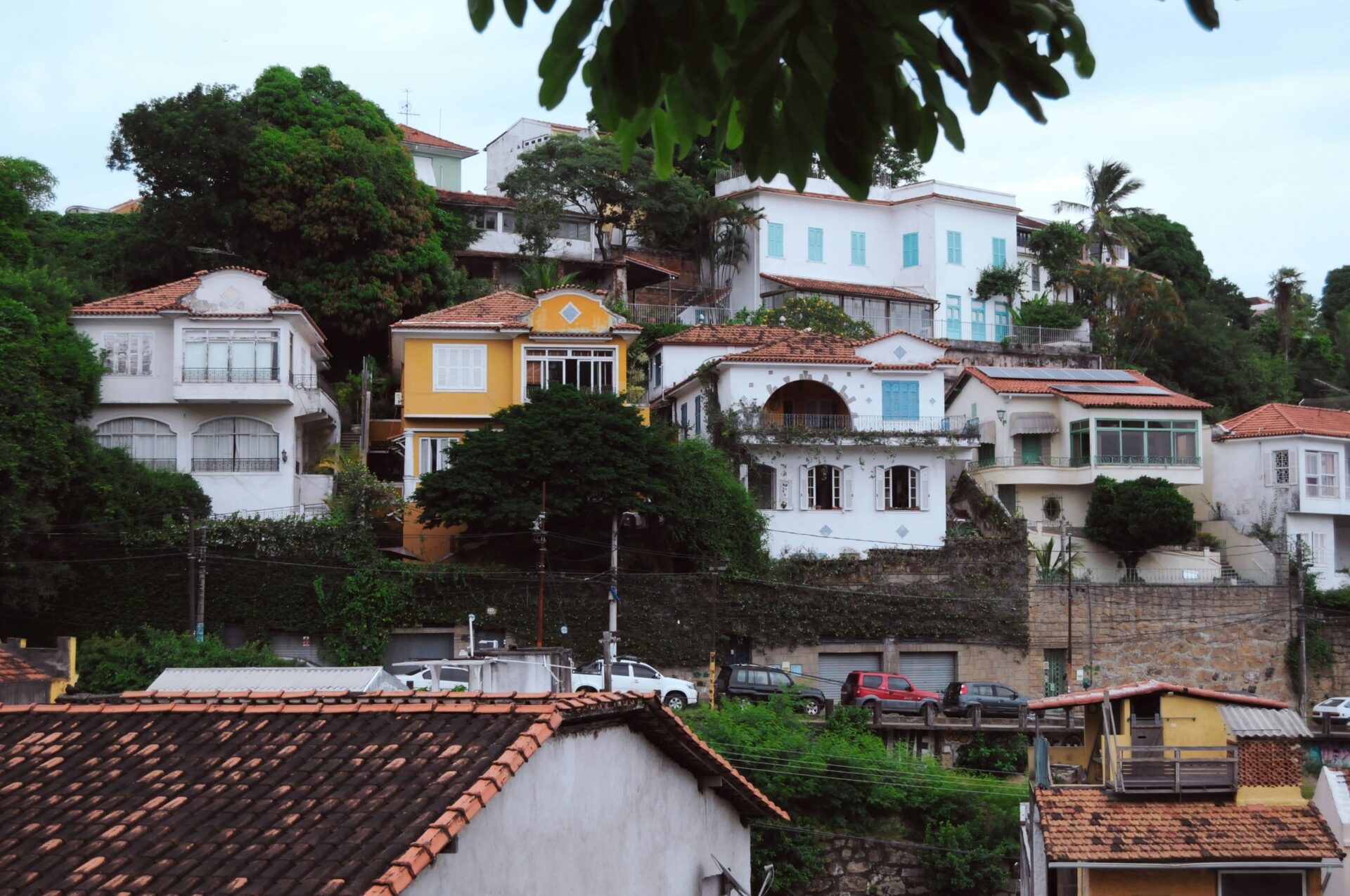
Walking through Santa Teresa is like stepping back in time. The neighborhood is renowned for its beautifully preserved Belle Époque mansions, historic houses, colonial buildings, and narrow, winding streets. Palm trees line many of the streets and gardens, adding to the area’s lush, picturesque charm. These architectural gems provide a stark contrast to the modern high-rises of Rio’s beachfront districts, preserving a sense of history and cultural identity.
Geography and Layout: Navigating the Hilltop Neighborhood
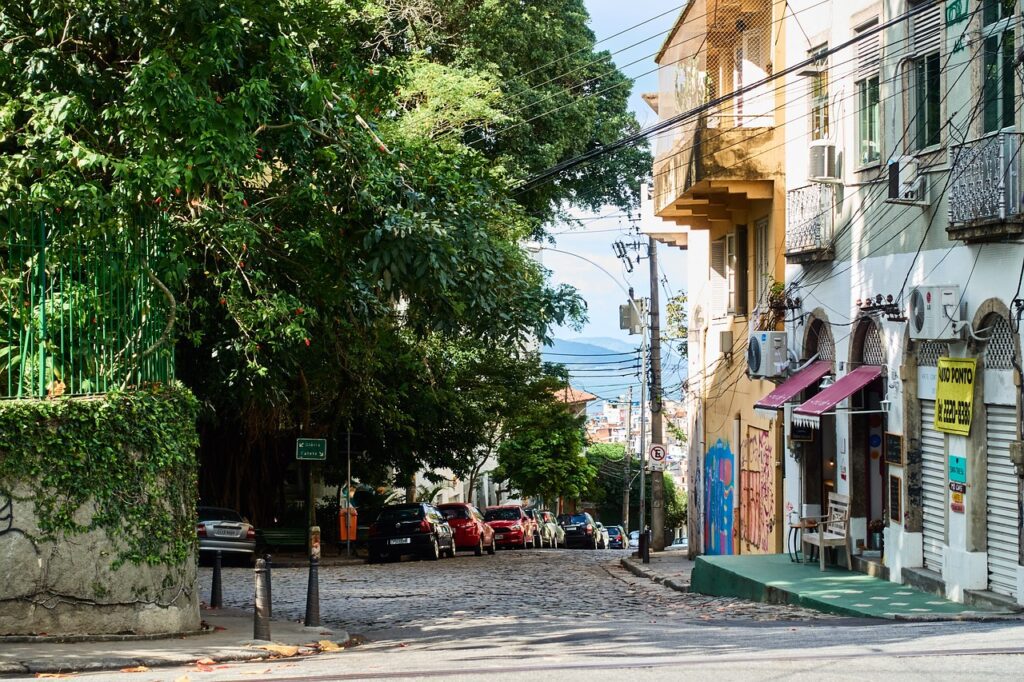
Perched approximately 80 meters above sea level, Santa Teresa’s topography is characterized by steep hills, winding lanes, and staircases. Navigating the neighborhood by car can be challenging due to the steep inclines and narrow streets, making parking and driving less convenient. The main street, Rua Joaquim Murtinho, runs along the hill’s spine, while several smaller lanes and alleys branch off, leading to residential areas, shops, and viewpoints. Public transportation options are limited, primarily relying on buses, so visitors often plan their course through Santa Teresa on foot or by using taxis and ride-sharing services. This unique layout offers stunning panoramic vistas but requires visitors to be prepared for uphill walking and uneven cobblestones.
How to Reach Santa Teresa
Historic Tram (Bondinho): A Scenic Journey
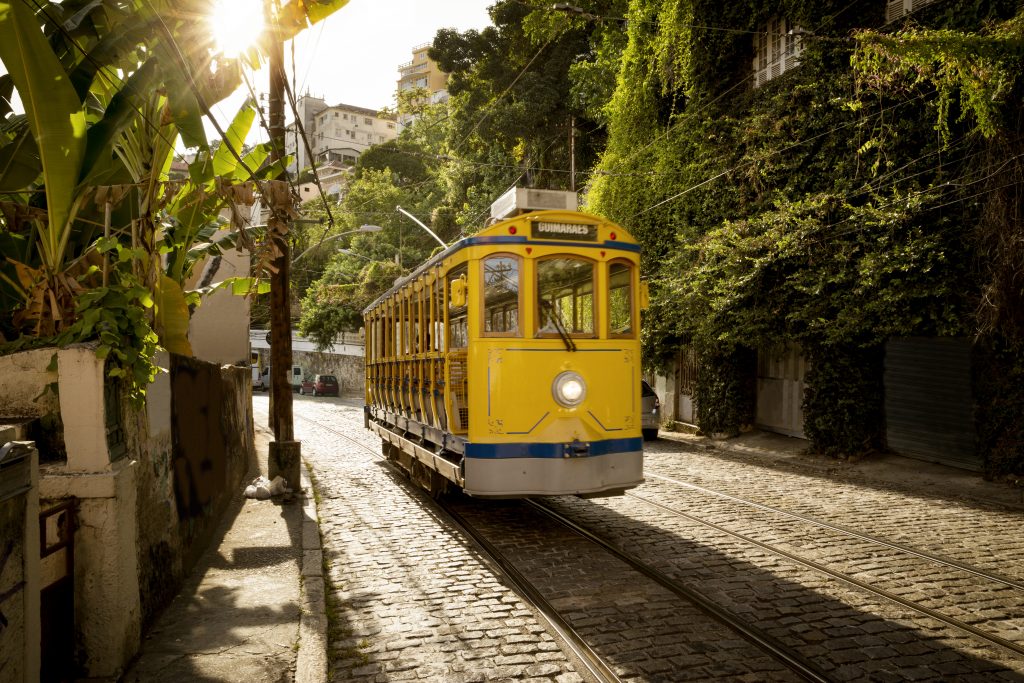
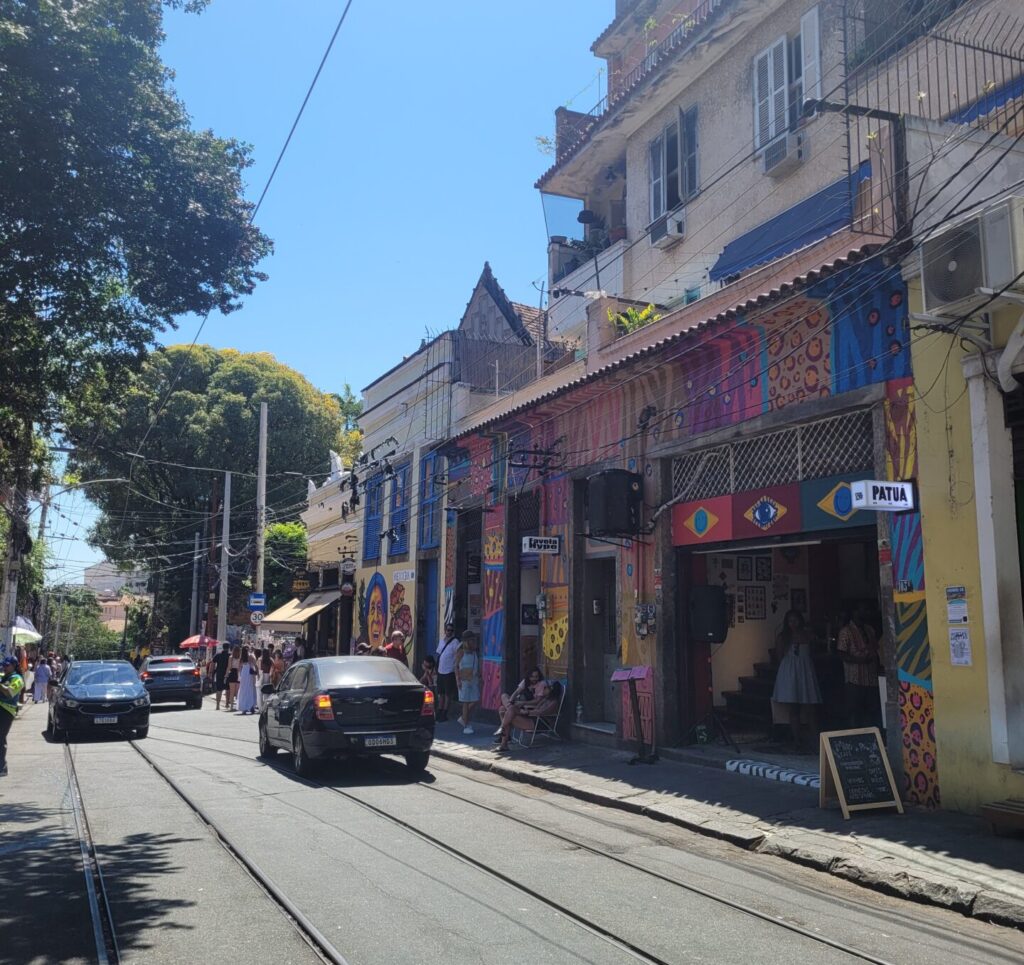
The yellow tram remains one of the most atmospheric ways to reach Santa Teresa. Departing from downtown near the Carioca metro station, the Santa Teresa Tram climbs the hill via the famous Arcos da Lapa aqueduct, offering spectacular views en route. Though the tram operates on a limited schedule and can be crowded, it’s a must-experience for visitors seeking a nostalgic and authentic arrival.
Taxi and Ride-Sharing Services
For convenience and safety, taking a taxi or ride-sharing car, such as those booked through Uber and 99, is a good option for reaching Santa Teresa. These services provide direct access to Santa Teresa’s heart, bypassing the challenges of navigating narrow streets on foot or by public transport.
Walking from Lapa: An Adventurous Option
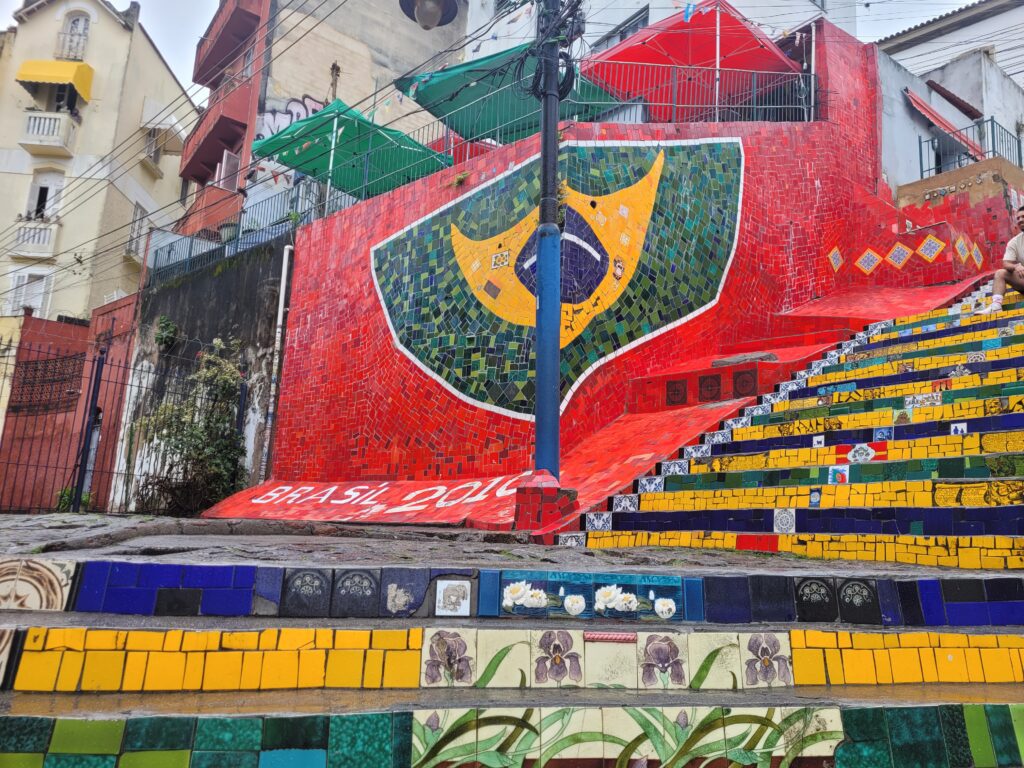
Adventurous travelers may choose to walk from the vibrant Lapa neighborhood, ascending via the iconic Selarón Steps and other staircases. This route offers excellent photo opportunities and a chance to experience the urban fabric connecting these two historic districts.
Private Tours: Expert Guidance
For first-timers, guided tours provide valuable context, insider access, and enhanced safety. Private guided tours of Rio de Janeiro with local experts lead visitors through Santa Teresa’s labyrinthine streets, sharing stories, history, and hidden gems inaccessible to independent explorers. Many travelers personally recommend guided tours for first-time visitors, and in my honest assessment, they offer significant value for both safety and understanding the neighborhood.
The Bohemian Spirit: Santa Teresa’s Artistic and Cultural Identity
Santa Teresa’s reputation as Rio’s artistic heart is well-earned. The neighborhood buzzes with creativity, hosting numerous artist studios, art galleries that attract visitors from around the world, and cultural centers. The broader city offers even more to explore, and an insider-style Rio de Janeiro travel blog can help you dive deeper into hidden cultural spots beyond Santa Teresa. Painters, sculptors, musicians, and performers find inspiration in its tranquil streets and vibrant community, making Santa Teresa a living canvas of Brazilian culture.
Exploring Santa Teresa’s Artistic Scene
Artist Studios and Ateliers
Many artists open their studios to visitors, offering a glimpse into their creative processes. These spaces range from traditional painting workshops to contemporary mixed-media studios, reflecting the neighborhood’s diverse artistic expressions.
Contemporary Galleries and Exhibitions
Santa Teresa boasts several galleries showcasing emerging and established Brazilian artists. Regular exhibitions and openings create a dynamic cultural calendar that enriches the neighborhood’s bohemian vibe.
Street Art and Murals
The streets themselves are adorned with colorful murals and graffiti, blending history with modern expression. Imagine the vibrant street art, with its bold colors and creative energy, bringing the neighborhood to life and transforming every corner into an open-air gallery. These artworks often engage with local themes and global influences, creating a dialogue between past and present.
Cultural Centers and Performance Spaces
Beyond visual arts, Santa Teresa supports music, theater, and dance through dedicated cultural centers. These venues host concerts, workshops, and performances, fostering community participation and cultural exchange.
Key Attractions in Santa Teresa
Parque das Ruínas: A Cultural and Scenic Highlight
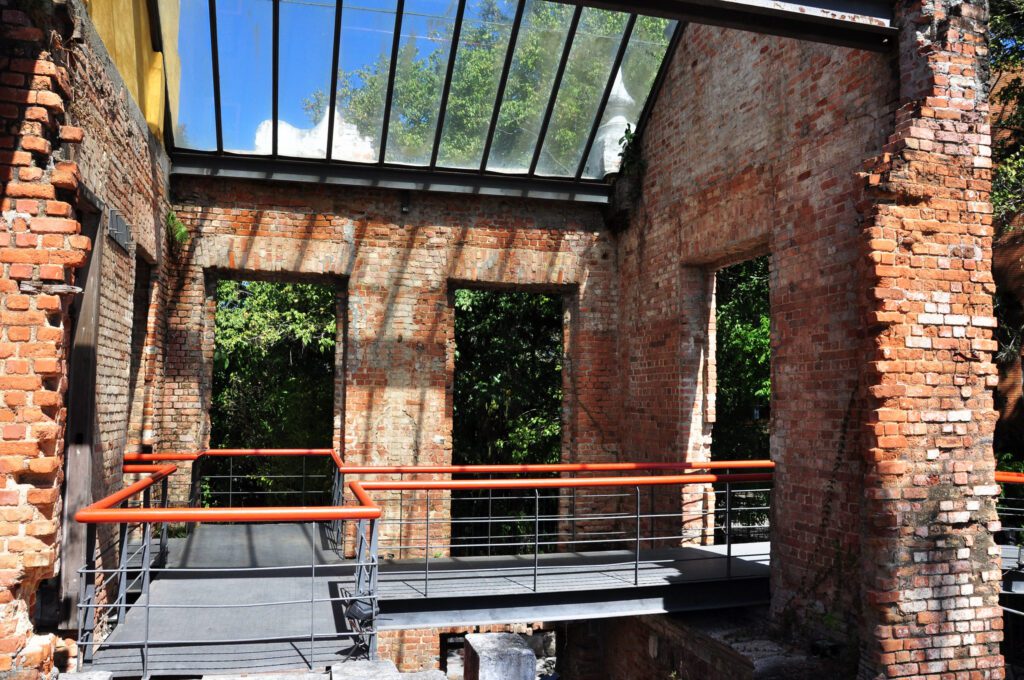
Once a grand mansion, Parque das Ruinas now serves as a cultural center and open-air gallery. Its partially ruined structure offers a romantic atmosphere, while the rooftop terrace provides some of the best panoramic views of Rio, including iconic landmarks like Sugar Loaf. During the day, it is generally safe to walk around and visit popular spots like Parque das Ruinas, where you can enjoy watching the city below and soaking in the vibrant atmosphere, especially if you plan your route with an informative map of Santa Teresa.
Museu Chácara do Céu: Art and Architecture
This museum houses an impressive collection of European and Brazilian art within a modernist architectural setting. The surrounding gardens offer additional viewpoints and a peaceful retreat. For up-to-date information on current exhibitions and opening hours, it’s recommended to check the museum’s official site.
Largo dos Guimarães: Social Hub
This lively square is the neighborhood’s social heart, surrounded by bars, restaurants, and shops. Sitting at a café or on a bench in the square, you can watch local life unfold and soak in the vibrant atmosphere. It’s a great spot to experience local life, especially during evenings when live music and gatherings animate the area.
Convento de Santa Teresa: Historical Landmark
The convent that gave the neighborhood its name remains active and open to visitors. Its baroque architecture and serene ambiance provide a contemplative contrast to the neighborhood’s bustling streets.
Selarón Steps: Colorful Connection
Though technically at the base of Santa Teresa, the Selaron Steps are a must-see. This colorful staircase was created by artist Jorge Selaron and has become a major tourist attraction, linking the neighborhood to downtown Rio and symbolizing the fusion of art and urban life. Many visitors discover the steps and nearby historic sites on a captivating historic tour of Rio de Janeiro that also includes time in Santa Teresa.
Walking Santa Teresa: A Guide to the Streets
Rua Almirante Alexandrino: Main Artery
This street runs the length of Santa Teresa, connecting commercial areas with quieter residential zones. Walking its length offers a comprehensive view of the neighborhood’s diversity.
Rua Joaquim Murtinho: Architectural Showcase
Parallel to Almirante Alexandrino, this street features some of the most atmospheric mansions and plazas, ideal for leisurely exploration.
Ladeiras and Escadarias: Hillside Charm
The numerous sloped streets and staircases provide intimate views into daily life and offer shortcuts between different parts of the neighborhood.
Hidden Plazas and Viewpoints
Santa Teresa is dotted with small plazas and scenic overlooks that offer great views of the city and surrounding hills, perfect for rest, photography, or simply soaking in the atmosphere.

Dining and Nightlife in Santa Teresa
Culinary Diversity
Santa Teresa’s restaurants range from traditional Brazilian fare to international fusion, often housed in historic buildings that add ambiance to the dining experience. When planning your visit, budget enough money for dining out—meals can range from affordable local eateries to higher-end establishments, so carrying a reasonable amount of cash or local currency is recommended for convenience and safety.
Bar Scene
From rustic botecos to sophisticated cocktail lounges, the neighborhood’s bars offer relaxed settings with local music and stunning views, making them perfect spots to meet up with friends and enjoy the vibrant local scene. If you want to go beyond Santa Teresa, an insider guide to Rio de Janeiro nightlife and cultural secrets can point you toward the best samba clubs and bar districts across the city.
Live Music and Cultural Events
Many venues feature live samba, choro, jazz, and alternative music, where visitors can enjoy watching performances, maintaining Santa Teresa’s reputation as a cultural hotspot.
Nightlife Atmosphere
Santa Teresa’s nightlife is intimate and community-oriented, favoring conversation and cultural exchange over loud partying. The neighborhood’s vibrant scene and attractions are accessible and enjoyable throughout the week, not just on weekends.
Safety in Santa Teresa: What You Need to Know
Daytime Safety
During daylight hours, Santa Teresa is generally safe for tourists, especially along main streets and popular attractions. Visitors should stay alert and avoid isolated areas.
Nighttime Precautions
After dark, the neighborhood becomes quieter and less populated. It’s advisable to avoid walking alone on deserted streets and to use taxis or ride-sharing services for transportation. For a broader perspective on urban risks and smart behavior around the city, check general advice on whether Rio de Janeiro is safe for tourists before planning nighttime outings.

Avoiding Common Pitfalls
Tourists should avoid displaying valuables such as expensive jewelry or phones, keep belongings discreet, and stay in well-lit, busy areas.
Local Advice
Residents recommend carrying only a copy of your ID and minimal cash when exploring on foot. Joining guided tours adds an extra layer of security and local knowledge.
Transportation Safety
Many Uber and taxi drivers avoid navigating Santa Teresa’s steep, cobblestone streets late at night. Pre-arranged rides and app-based transport are the safest options for nighttime travel.
Crime Awareness
Santa Teresa has experienced incidents of street muggings and robberies, particularly at night. Awareness and sensible precautions help mitigate risks.
Practical Tips for Visiting Santa Teresa
Best Time to Visit
Weekday mornings offer quieter exploration, while weekends bring lively social scenes. The neighborhood’s hilltop climate is pleasant year-round, and travelers with limited schedules can make the most of their stay by joining half-day cultural tours of Rio de Janeiro that often include Santa Teresa.
What to Wear
Comfortable walking shoes, light layers, and sun protection are essential for navigating cobblestone streets and variable weather.
Accessibility Considerations
Santa Teresa’s steep terrain and historic infrastructure present challenges for visitors with mobility issues. Planning ahead and using taxis can improve accessibility.
Photography Tips
Golden hour provides ideal lighting for capturing architecture and views; watching the changing light during this time can help you capture the best photos. Always respect residents’ privacy when photographing.
Accommodation Options
Santa Teresa offers boutique hotels, guesthouses, and apartments, including hotel options that are suitable for family stays. When booking, consider accommodations with a good location near main attractions, as well as strong safety features, to ensure a comfortable and convenient experience for all travelers, and plan time to enjoy the best restaurants in Santa Teresa Rio de Janeiro that showcase the neighborhood’s rich culinary scene.
Booking and Reservations
Popular restaurants and tours should be booked in advance, especially during peak seasons.
Combining Santa Teresa with Other Rio Experiences
Morning in Santa Teresa, Afternoon at the Beach
Start your day exploring Santa Teresa’s culture before descending to Copacabana or Ipanema for beach relaxation.
Cultural Circuit: Santa Teresa, Lapa, and Downtown
Explore Rio’s historic and cultural heart by combining visits to Santa Teresa, Lapa’s nightlife, and downtown landmarks. Most tourists flock to sights like Lapa and the Selaron Steps, making these areas lively but often crowded, and an overview of Lapa’s vibrant cultural treasures can help you decide which samba clubs and historic spots to prioritize.
Sunset Viewing in Santa Teresa
End your day with incredible sunset views from Santa Teresa’s viewpoints, followed by dinner and drinks.
Sustainable and Responsible Tourism in Santa Teresa
Supporting Local Economy
Prioritize local businesses, artists, and cultural venues to ensure tourism benefits the community.
Respecting Residents
Maintain quiet and respect privacy to preserve the neighborhood’s residential character.
Cultural Sensitivity
Engage genuinely with local culture and follow guidelines in galleries and cultural centers.
Environmental Responsibility
Avoid littering and support establishments with sustainable practices to help protect the local nature and green spaces that make Santa Teresa unique.
Hidden Gems and Lesser-Known Experiences
Neighborhood Markets and Shops
Discover authentic local markets and specialty shops away from tourist centers.
Community Events and Festivals
Participate in neighborhood celebrations for immersive cultural experiences.
Sunrise Photography
Capture Santa Teresa’s beauty in the early morning light, before crowds arrive.
Artist Conversations
Engage with local artists to deepen your understanding of Santa Teresa’s creative spirit.
Final Thoughts: Experiencing the Authentic Rio in Santa Teresa
Santa Teresa offers a rare opportunity to connect with Rio’s history, culture, and community in an intimate setting. Its bohemian charm, artistic energy, and breathtaking views make it a must-visit for travelers seeking a genuine Carioca experience. Visitors shouldn’t miss the chance to experience Santa Teresa, a neighborhood known around the world for its unique charm and vibrant atmosphere. By exploring with respect and awareness, visitors can enjoy a safe, enriching, and unforgettable journey through this unique neighborhood.
Frequently Asked Questions About Santa Teresa
How long should I spend in Santa Teresa?
Plan at least 4-5 hours to explore key attractions, enjoy meals, and stroll the streets. Culture enthusiasts may allocate a full day or multiple visits.
Is Santa Teresa safe for tourists?
Yes, some travelers worry about safety in Santa Teresa, but with normal precautions, you can have a safe visit. Stay on main streets, avoid isolated areas after dark, and consider guided tours for enhanced safety.
Can I visit Santa Teresa independently or should I take a tour?
Both options are viable. Some visitors prefer guided tours for added safety and context, while others enjoy the flexibility of independent exploration. Tours offer insider access, while exploring on your own allows you to set your own pace.
What’s the best way to get to Santa Teresa?
The historic tram offers a scenic route, while taking a car, such as a taxi or ride-share, provides convenience and flexibility for reaching Santa Teresa. Walking from Lapa is adventurous but requires fitness.
When is the best time to visit Santa Teresa?
Year-round, with weekday mornings for quiet exploration and vibrant social scenes available throughout the week, not just on weekends.
Can I combine Santa Teresa with beach visits?
Absolutely. Morning cultural exploration followed by afternoon beach time showcases Rio’s diversity.
What should I wear when visiting Santa Teresa?
Comfortable walking shoes and layered clothing are essential for cobblestone streets and variable weather.
Are there good restaurants in Santa Teresa?
Yes, the neighborhood offers diverse, high-quality dining options, and many restaurants in Santa Teresa are a good option for authentic Brazilian and international cuisine.