
September 21, 2026

Should I Drive in Rio? Not
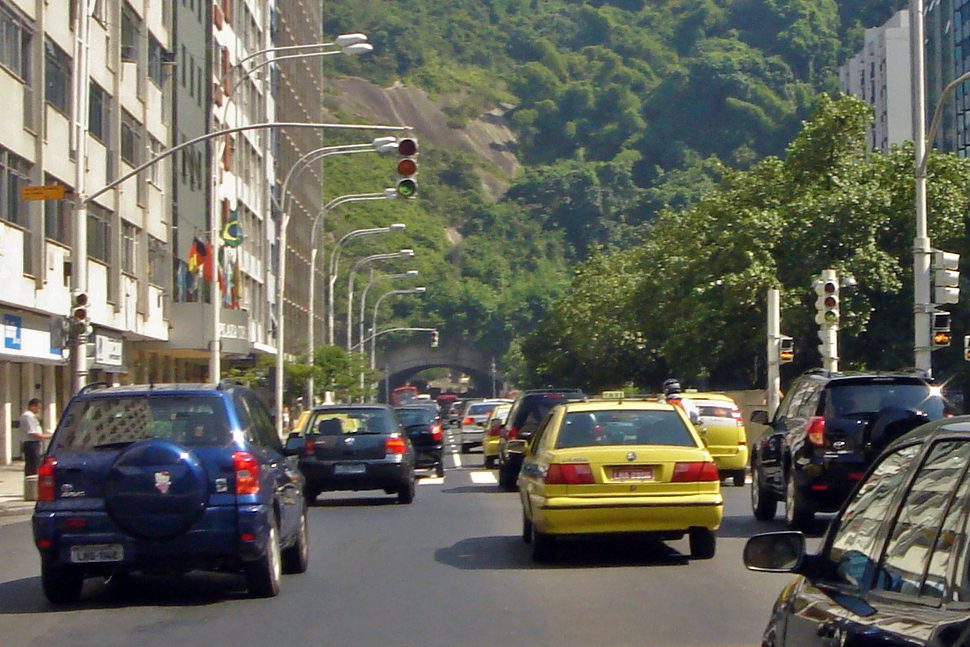
If you are coming to Rio and thinking about driving around the city, we want to give you our sincere opinion first: we don’t recommend it. Literally. Rio is a bit chaotic. There are motorcycles and electric bikes everywhere, and delivery workers cut between the cars like they are in a video game. So before you book that rental car, think about it a little more.
Motorcycles, e-bikes and delivery riders everywhere
After the pandemic, the number of motorcycles in the city jumped to around 200,000, with about 100 accidents per day. As driver guides, we live this every single day. Motorcycles pass between the cars at full speed, cross in front of you without warning and appear out of nowhere.
And now we have a new headache: electric bikes. You see mothers with kids on the back riding like they were on a motorcycle, going fast and cutting in front of cars. Add to that all the regular bicycles of delivery workers crossing the city.
That’s why we always tell our clients the same thing, even when they are not driving: take care when you cross the street. Look both ways, and only cross when you are sure. You never know where a cyclist is going to come from.
The GPS problem
GPS is essential when you drive here, even for us locals. But in Rio, the GPS doesn’t know which areas are dangerous. It just picks a route, and sometimes that route goes straight into a favela.
We have had cases in the past of tourists who followed the GPS and ended up driving into a favela. The experience, for sure, was not a good one. Locals know the unwritten rule: if you enter a favela by car, you turn off the headlights, turn on the interior light and open the windows. A visitor doesn’t know this, and that’s where the risk is.
This is especially true in the North Zone of Rio, where two rival drug trafficking groups fight each other. Entering an area controlled by either of them by mistake is not something you want to do.
What about downtown and the South Zone?
Here’s the good news: you don’t need to worry about safety in the South Zone, where the main tourist attractions and hotels are. And the traffic in the main tourist areas, downtown and the South Zone, is usually fine. The problem is the motorcycles. They are everywhere, in every part of the city, and that doesn’t change when you are in the nicer neighborhoods.
Red lights after 10 p.m.
After 10 p.m., it’s very common for drivers in Rio to go through red lights, with care, for safety reasons and so they don’t waste time stopped at an empty intersection. It’s an accepted practice in the city. So don’t find it strange if your driver does this during a night tour or on a transfer to the airport.
Potholes, speed bumps and cobblestones
Rio also has plenty of potholes, speed bumps and cobblestone streets, like the ones in Santa Teresa. All of this does a lot of damage to a car’s suspension, and that’s not something you want to deal with on a rental.
Getting around without a car
It’s actually very easy to move around Rio without driving. Public transportation like the metro and buses works well, and Uber Black and Uber Comfort are great options.
One thing we insist on: don’t take the yellow taxis. We don’t recommend them in any situation. Uber is much safer, and you always know who is driving you.
“I want to drive anyway. What should I do?”
We get it. Some travelers like the freedom of having their own car, especially if the plan includes road trips outside the city. If that’s you, here is what you need to know.
Your license. You don’t need a Brazilian license for a short trip. Visitors can drive in Brazil with a valid license from their home country for up to 180 days from the date they arrive, as long as they carry their passport and an International Driving Permit or a sworn Portuguese translation of the license. Our advice: get the International Driving Permit before you leave home. In the US, you apply through AAA or AATA, and other countries have their own automobile associations that issue it.
Brazil follows the 1968 Vienna Convention, and the older 1949-only permit is not valid here, so check which one you are getting. If you plan to stay longer than 180 days, or to work in Brazil, you will need a Brazilian license, the CNH (Carteira Nacional de Habilitação).
Renting the car. Localiza, Movida and Unidas are the biggest local rental companies and usually have better prices than the international chains. At the counter, expect these requirements:
- Being at least 21 years old, with a physical driver’s license issued at least 2 years ago. Drivers under 25 often pay a “young driver” fee.
- Your original passport, from the same country as your driver’s license. An American passport goes with a US license, for example.
- Proof of your entry into Brazil, like your flight ticket or immigration stamp. Some companies, such as Localiza and Unidas, ask for this.
- The International Driving Permit. Even when the law doesn’t strictly demand it for short visits, most major rental companies ask for it.
- A physical credit card in the driver’s name, with enough limit for the security deposit. Debit cards and cards in someone else’s name are usually refused.
Once you are behind the wheel. Keep your eyes on your mirrors all the time, because the motorcycles will come from both sides. Before you start the car, check your route on the map and stick to the main roads, instead of blindly following whatever the GPS decides. Park in paid lots whenever you can. And don’t drink anything: Brazil has a zero-tolerance law for drinking and driving, called “Lei Seca”, and any amount of alcohol can get you in trouble.
Leave the driving to us
We honestly believe you don’t need the headache of driving in Rio. With our private tours, we take you to all the main attractions with comfort and style, on an itinerary carefully designed to give you a memorable time in the Marvelous City.
Contact Rio Cultural Secrets, and our private tours will be ready to show you the best of Rio.