
July 23, 2025

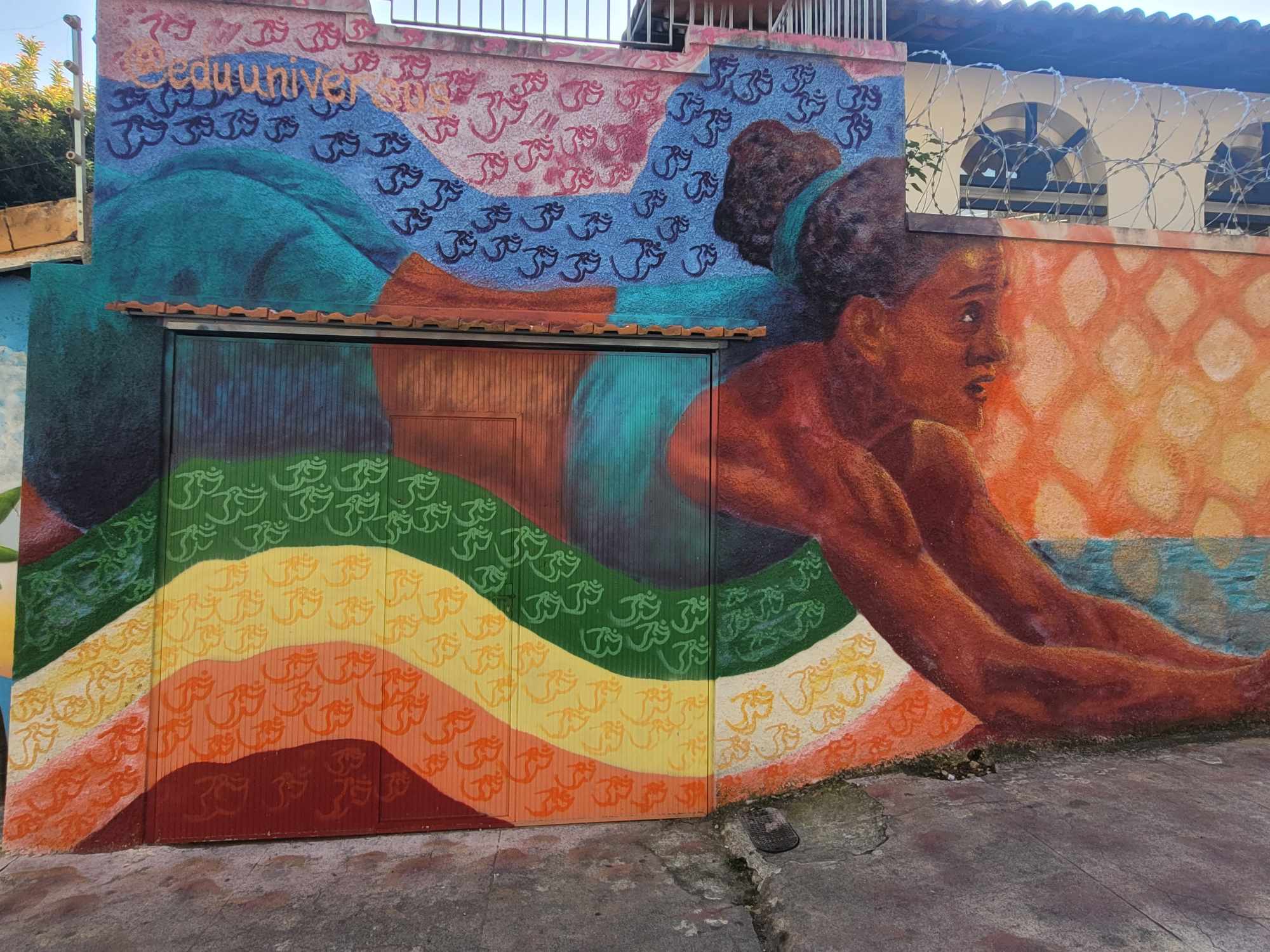
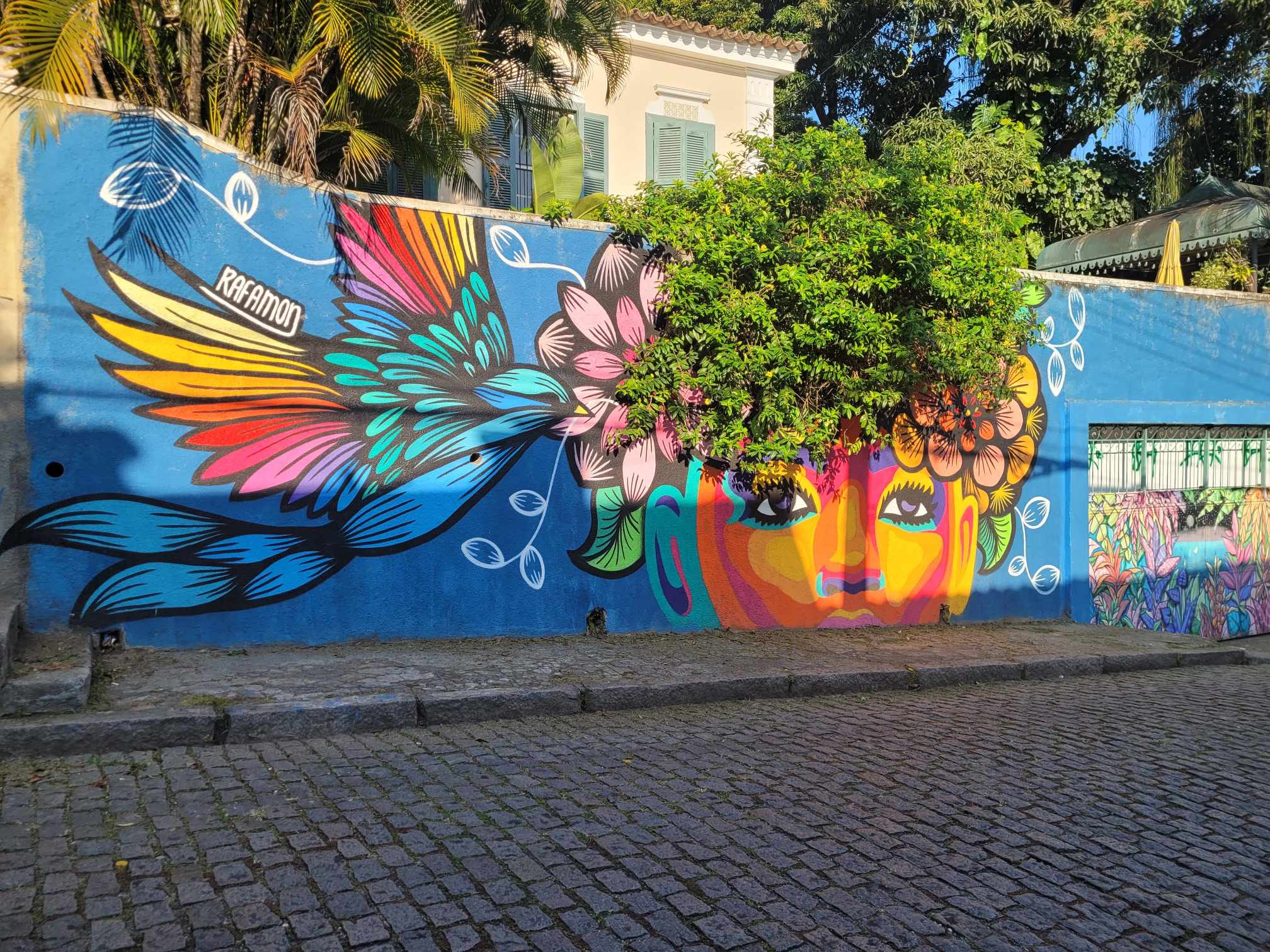
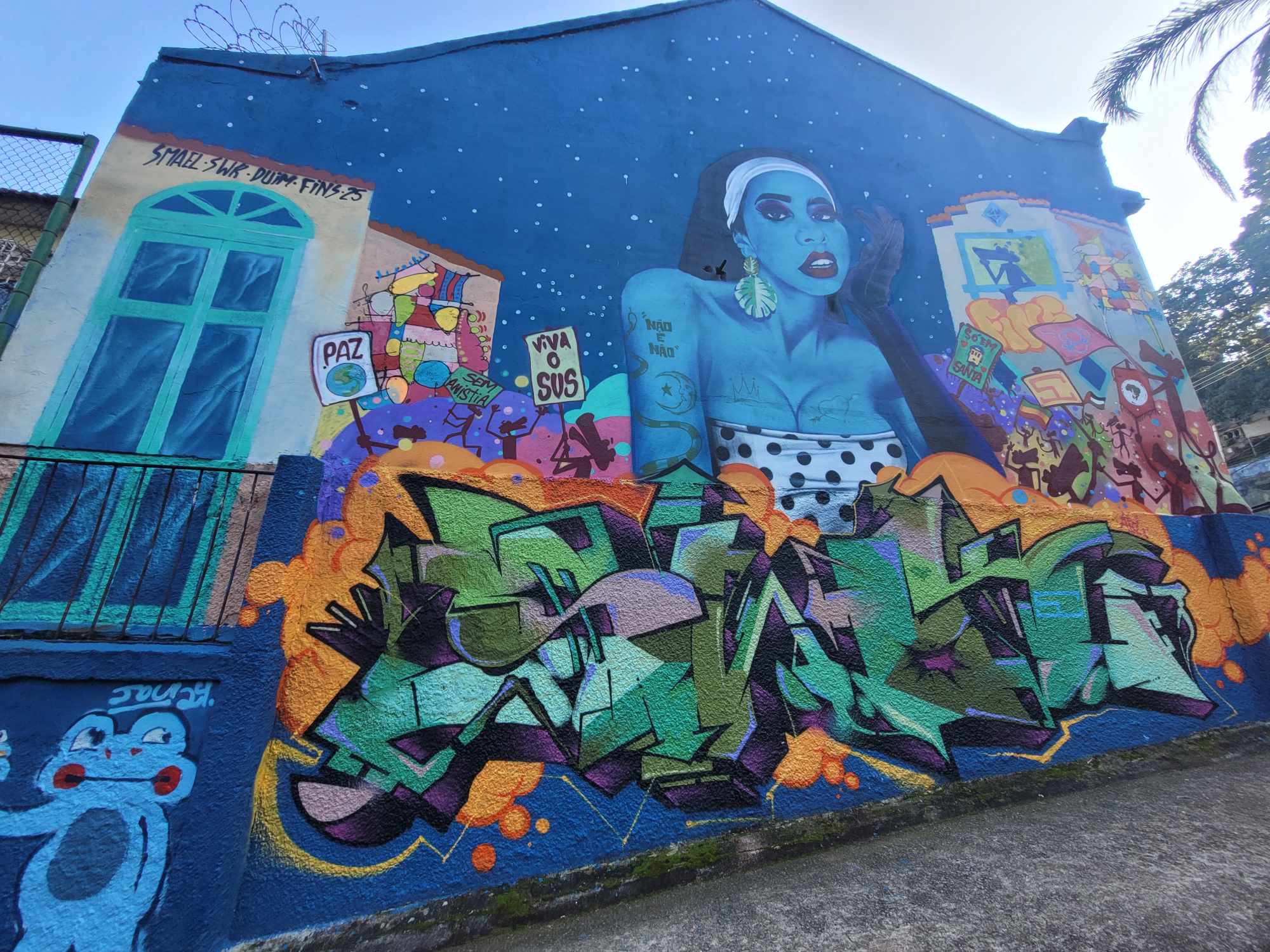
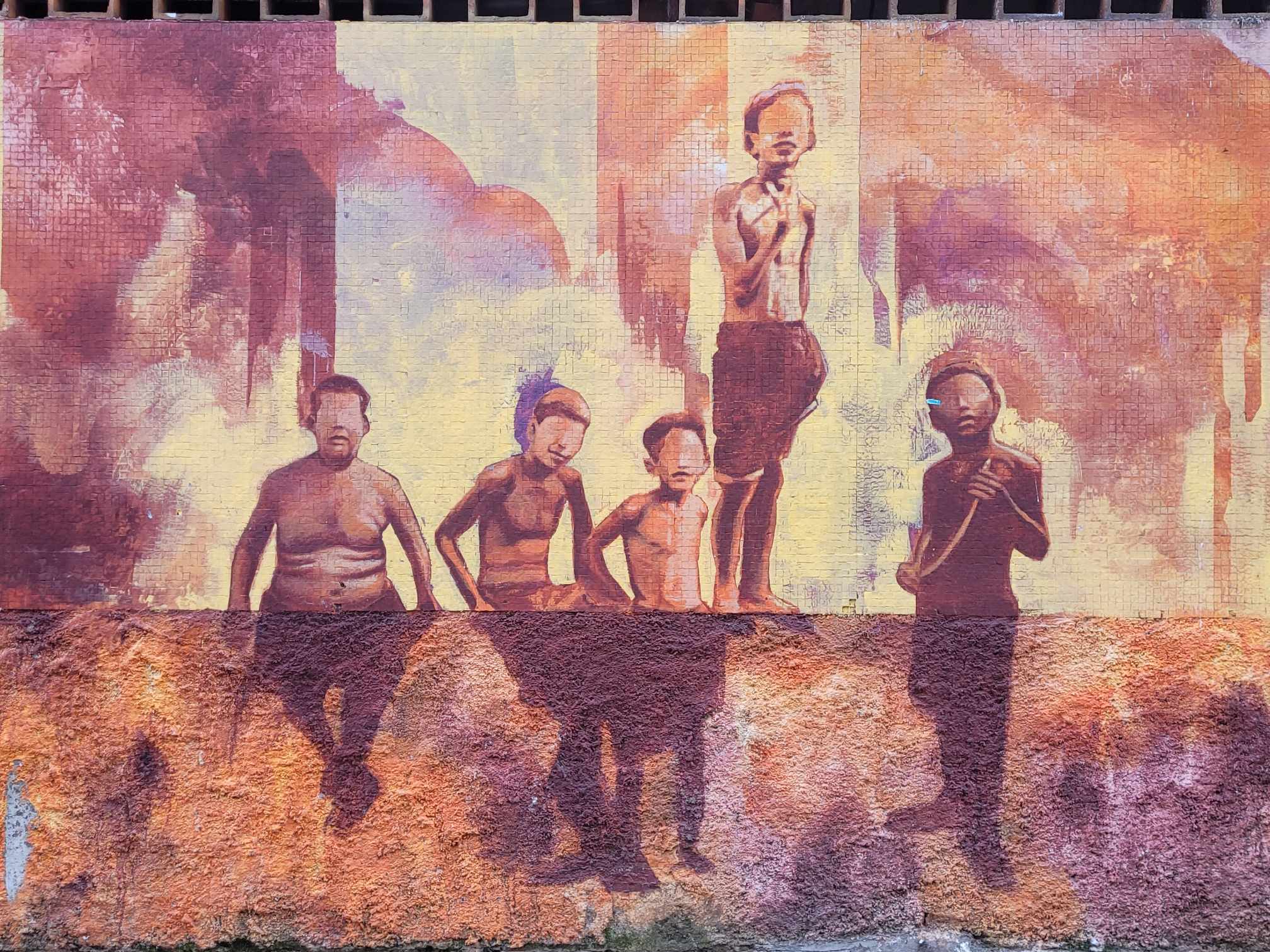
Rio has always been famous for its natural colors — the green of the mountains, the gray of the granite, the blue of the ocean. But in recent years, the Marvelous City has been gaining new shades: urban art is coloring Rio like never before. Walking with the right guidance, you discover stunning murals depicting historical events, personalities, and religions.
Areas like Morro da Conceição, Pedra do Sal, Olympic Boulevard, Beco dos Carmelitas, and Lapa attract more and more visitors in search of these unique attractions. After 14 years guiding visitors through this city, I can tell you: some of the best art in Rio isn’t inside museums — it’s on the streets, free, and changing constantly. Below, I recommend the best places to see street art in Rio.
A Quick History: From the Margins to Guinness Records
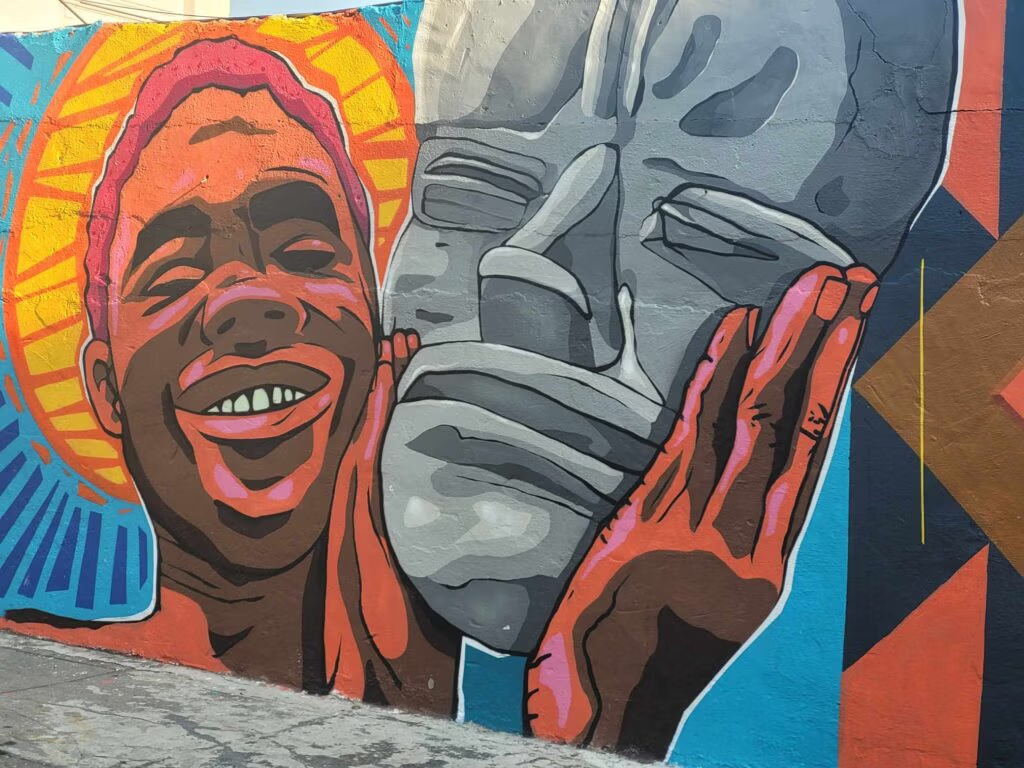
Street art arrived in Brazil through hip-hop culture, coming from the US in the 1970s. It gained strength in the peripheries and developed its own identity — distinct from the North American graffiti scene, with vibrant colors, nature, Afro-Brazilian and Indigenous themes, and sharp social commentary. Graffiti was decriminalized in 2009, and today the city finances mural projects and artists exhibit in galleries worldwide.
Names forged in what artist Cazé calls “the school of life” became references: Carlos Bobi, Marcelo Ment, Márcio SWK, Toz Viana, Juliana Fervo, Panmela Castro. Some migrated to galleries and commissioned murals, but most still practice graffiti the original way — spontaneous, social, expecting nothing in return.
The Etnias Mural: The World’s Most Famous Wall
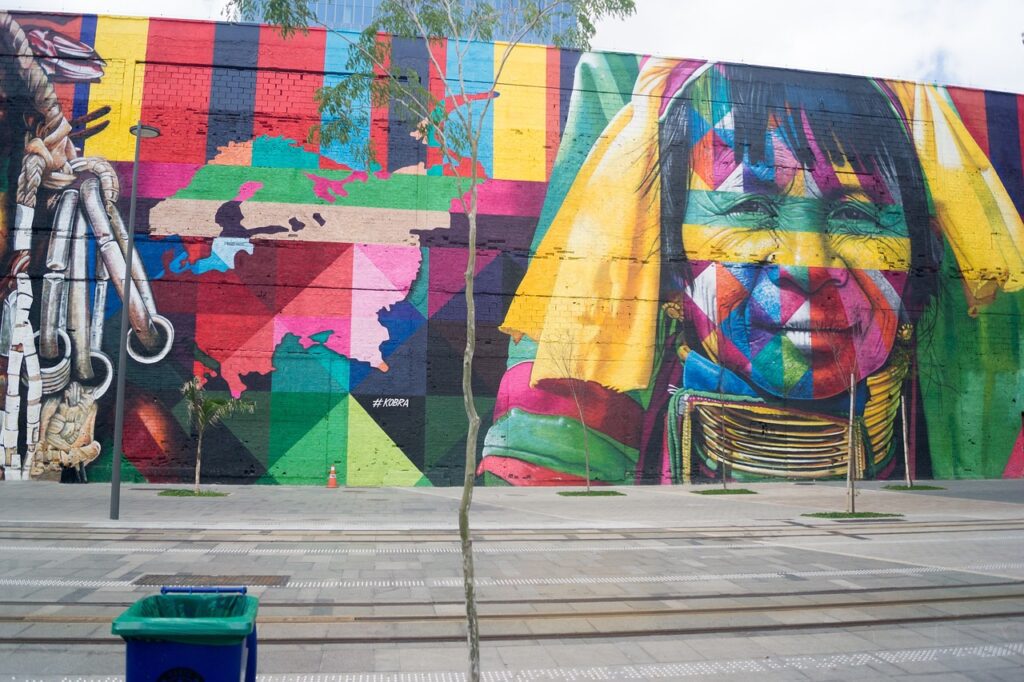
The postcard of Rio street art. Created in 2016 in the port zone by Eduardo Kobra — a São Paulo artist who started as a clandestine teenage tagger and became one of the greatest muralists alive, with works on five continents. Named Todos Somos Um (We Are All One), the mural depicts Indigenous faces from five continents across 15 meters of height and 170 meters of length — roughly 3,000 square meters that consumed 1,800 liters of white base paint, 700 liters of colored paint, and 3,000 spray cans.
My tip: see it twice. Once from the ground on Olympic Boulevard, and once from above — ride the Rio Star Ferris wheel nearby and you get a perspective of the port murals that almost nobody photographs.
The New Wave: Grafuturism on Avenida Venezuela
The port area keeps evolving. The Grafuturism project — a partnership between the French Consulate, the Goethe-Institut, and City Hall — brought international names to the port walls. The mural by French artist Astro, at Avenida Venezuela 194, is a highlight: 16 meters tall and about 35 meters long, by an artist who started painting the Paris suburbs in 2000. His optical-illusion style seems to open holes in the wall.
Museu do Graffiti: The Black Cartography of Rio
This is the project I most enjoy showing guests right now. Created by artist Cazé and researcher Pedro Rajão, the Museu do Graffiti already gathers 66 murals across the city, forming a “black cartography” — portraits of Afro-Brazilian icons painted where they made history. Downtown you’ll find Machado de Assis at the Brazilian Academy of Letters, actress Ruth de Souza beside the Municipal Theater, writer Conceição Evaristo, and Pixinguinha at the Museum of Image and Sound in Lapa. Walking between them turns downtown into a treasure hunt.
Museu Vivo NAMI: Art with a Mission
In Tavares Bastos, in the Catete area, the open-air museum of Rede NAMI gathers ten murals by women artists trained in the institution’s workshops, all addressing the fight against violence toward women. The project was founded by Panmela Castro, a former graffiti writer turned internationally recognized visual artist. Each mural carries a QR code opening a discussion about the theme and the artistic process behind the work — a beautiful example of how Rio’s street art educates while it decorates.
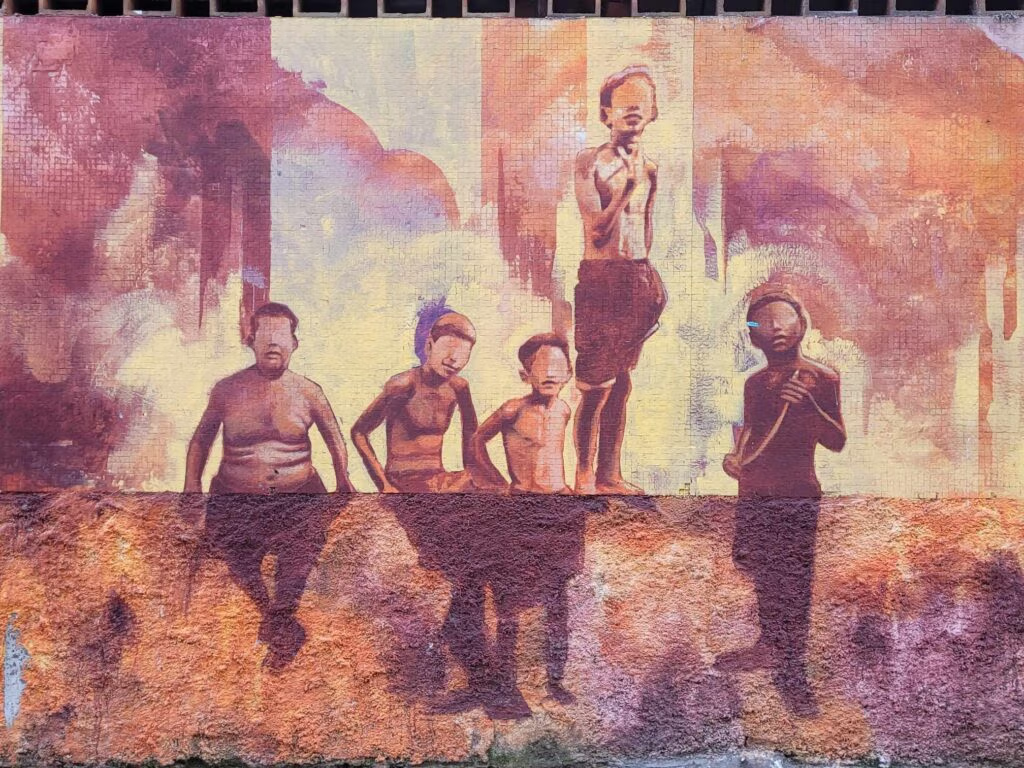
Beco do Pantera: Lapa’s Cultural Corridor
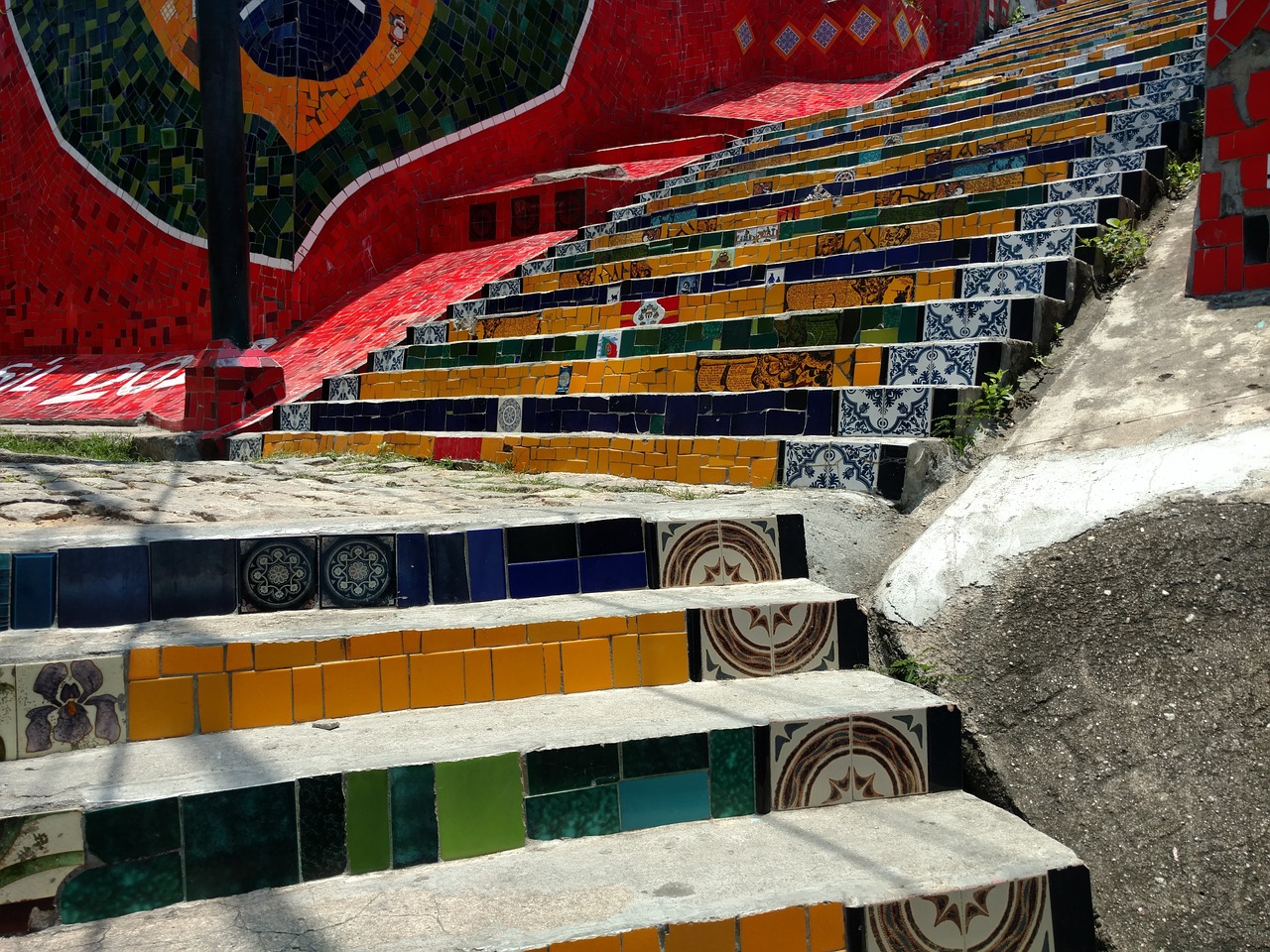
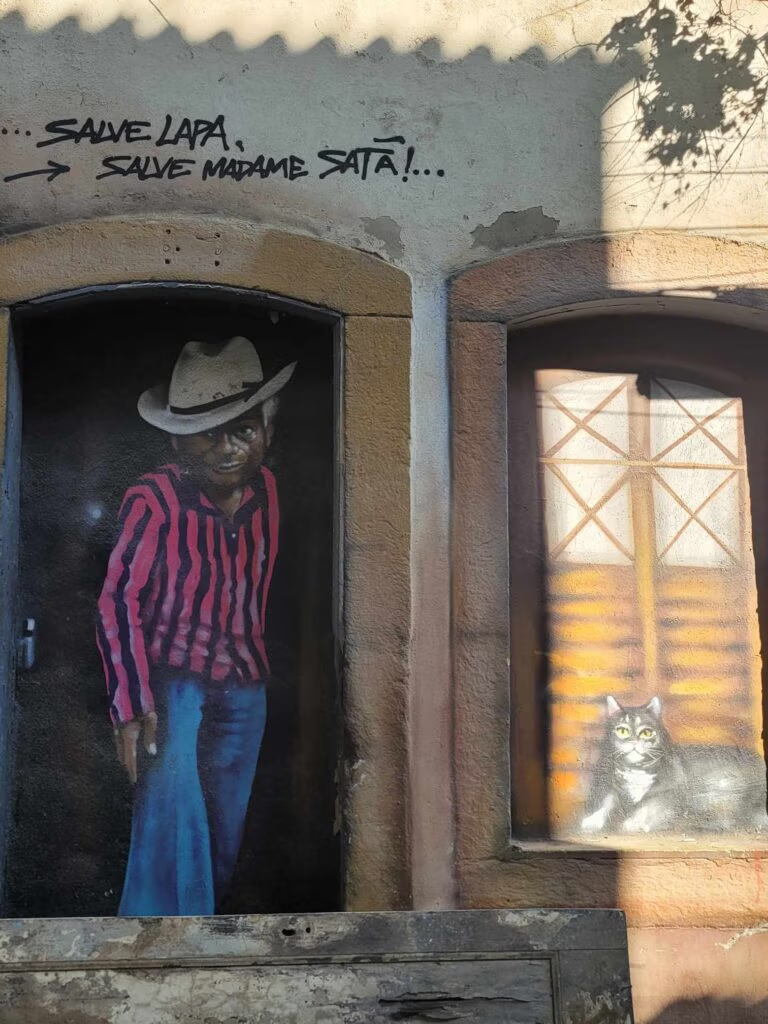
Opened recently, this corridor starts at Beco dos Carmelitas, runs through Morais e Vale and Marques Rebelo streets, and ends at Teotônio Regadas — steps from the Selarón Steps. Conceived by rapper Shackal, it gathers works by 20 artists including Carlos Bobi, Marcelo Ment, Juliana Fervo, and Lidia Viber. Combine it with the Selarón Steps and you have Lapa’s best art walk. Around the neighborhood, also look for the works of Dinho Nobre and the “Salve a Lapa” murals celebrating the bohemian district itself.