
April 24, 2026

Rio de Janeiro Coastline: A Complete Guide to the City’s 90 Kilometers of Beaches
Rio de Janeiro possesses one of the world’s most dramatic urban coastlines—roughly 90 kilometers of sand, granite, and surf stretching from the historic waters of Guanabara Bay westward to the protected coves near Grumari. The shoreline faces predominantly south and southeast, wrapping around the bay before opening to the full force of the Atlantic. Rio de Janeiro is also designated as a UNESCO World Heritage Site due to its unique geography where forested mountains meet the Atlantic Ocean.
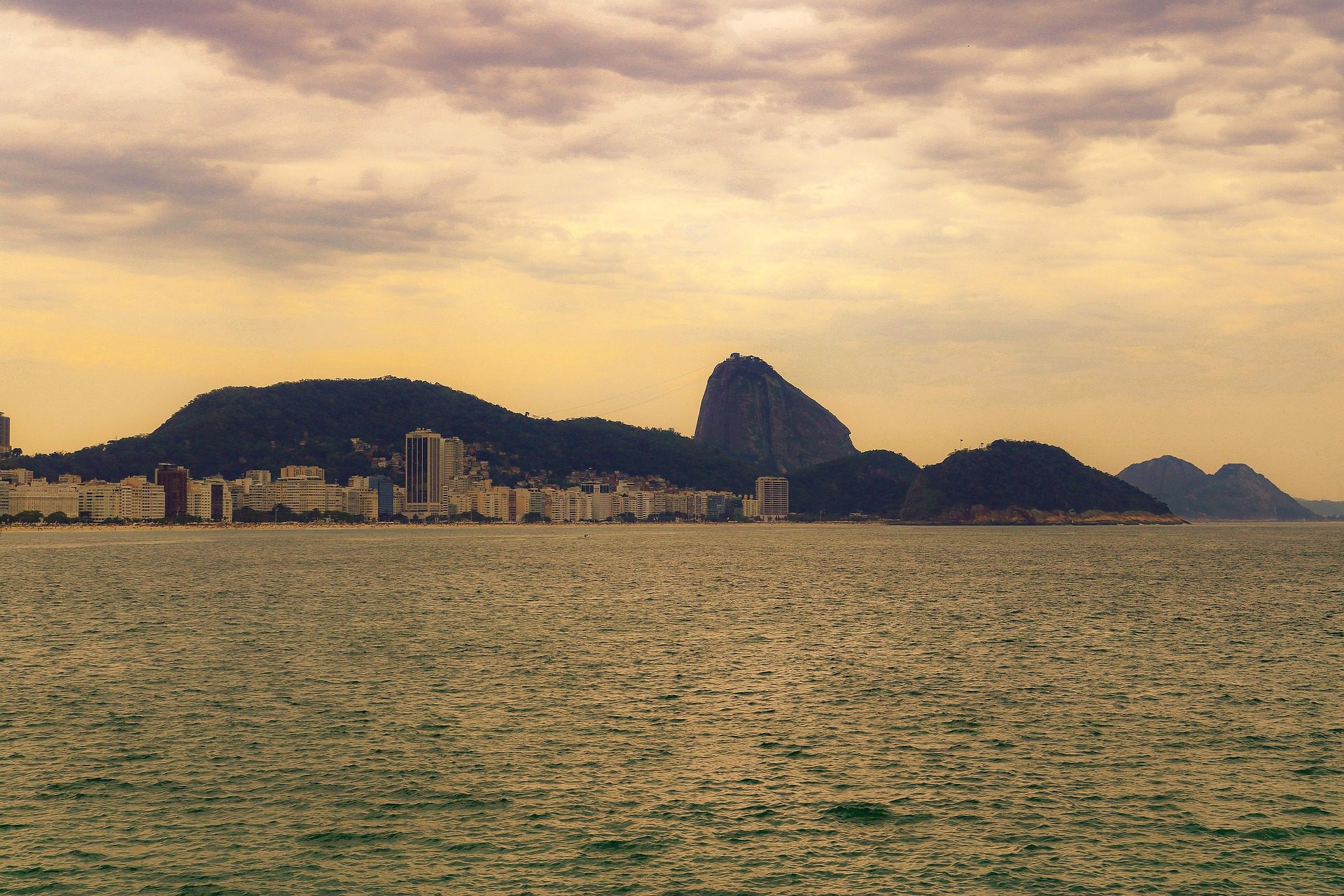
What makes this coastline visually and culturally unique is the collision of elements: granite peaks like Sugarloaf Mountain plunging directly into the sea, dense apartment buildings rising just meters from the sand, and rainforest slopes tumbling down coastal mountains to meet beautiful beach after beautiful beach. The coastline features a blend of urban energy and wild nature, including both iconic beaches and secluded coves. This guide is written for travelers planning where to stay and which stretches of coast to prioritize, whether you’re visiting Rio for the first time or returning to explore beyond Copacabana.
The main urban beaches include Flamengo, Praia Vermelha, Copacabana, Arpoador, Ipanema, Leblon, São Conrado, Barra da Tijuca, and Recreio dos Bandeirantes—showcasing the diversity of Rio’s beaches, each offering a distinct atmosphere and lifestyle shaped by surrounding topography and urban development.
Rio de Janeiro occupies an area of 1,182.3 square kilometers (456.5 sq mi) and has a population of about 6 million, with the greater metropolitan region estimated at 11 to 13.5 million.
Geographical Structure of Rio’s Coast
The rio de janeiro coastline organizes into three distinct sectors defined by geography and development patterns: the Guanabara Bay waterfront, the South Zone (zona sul) oceanfront, and the large west zone beaches extending toward Santa Cruz.
Guanabara Bay and the Inner Waterfront
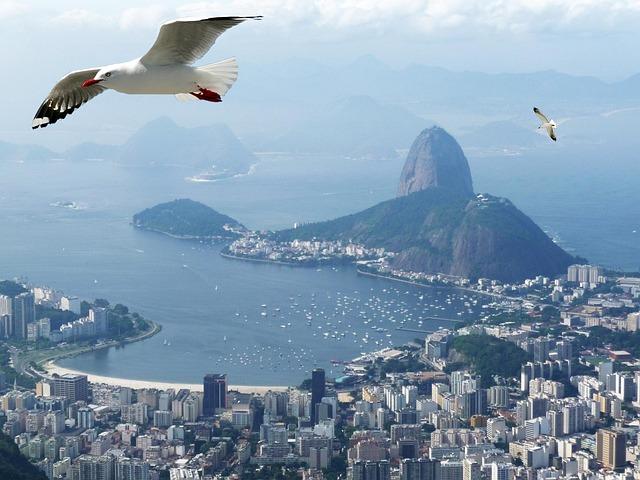
Baía de Guanabara serves as Rio’s historic harbor, with calmer protected waters and reclaimed waterfront areas. The entire Flamengo Park was created in the 1960s through Brazil’s largest landscaping project, transforming the bay into an urban waterfront park. This inner coastline frames views of Niterói across the water and Pão de Açúcar at the bay’s entrance.
The South Zone Strip
The zona sul coastline runs from Praia Vermelha around through Copacabana, Arpoador, Ipanema, and Leblon. This stretch is characterized by a narrow strip of flat land sandwiched between coastal mountains and the open sea. The mountainous terrain cuts the South Zone off from Centro and Rio’s North Zone, creating a distinct geographic and urban boundary that has shaped the area’s development since colonial times.
The Western Transition
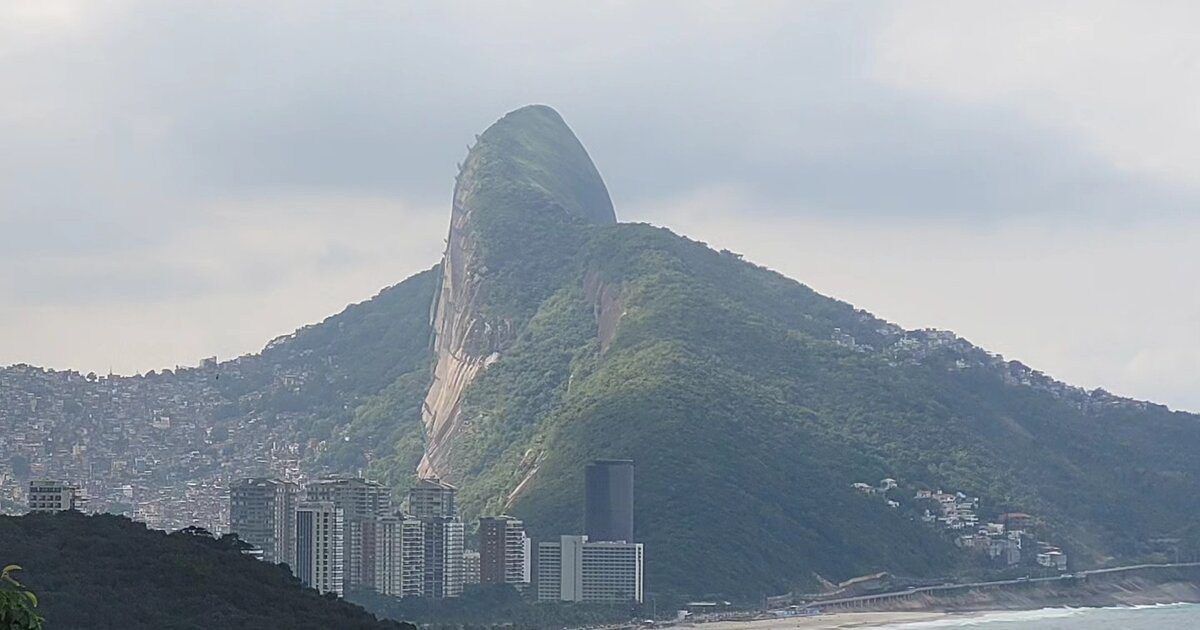
Past São Conrado, the coastline transforms dramatically. The coastal road passes through tunnels beneath Dois Irmãos and Pedra da Gávea, creating natural barriers that segment the western shore into distinct pockets. Beyond lies the greater portion of Barra da Tijuca, Recreio dos Bandeirantes, and the preserved stretches approaching Prainha and Grumari.
Major landscape features defining the shoreline include:
- Sugarloaf Mountain marking the entrance to de Guanabara Bay
- Dois Irmãos separating Leblon from São Conrado
- Pedra da Gávea looming over western stretches
- Tijuca National Park and Pedra Branca State Park backing the beaches with forested slopes
Iconic South Zone Beaches Along the Coastline
The South Zone hosts the most famous continuous chain of city beaches in Brazil, all backed by dense urban neighborhoods and classic black-and-white mosaic promenades. These beaches—Flamengo, Vermelha, Copacabana, Arpoador, Ipanema, and Leblon—form one continuous shoreline, yet each segment feels distinct in character and atmosphere.
Flamengo and the Guanabara Bay Waterfront
Flamengo Beach extends just over 1.7 kilometers along Parque do Flamengo on the bay side, positioned between Centro and Botafogo. The beach fronts calm protected waters characteristic of the inner bay, created when the entire Flamengo area was reclaimed from the water in the 1960s.
Wide lawns, bike paths, and running routes follow the inner coastline, framing direct views of Sugarloaf Mountain and the city of Niterói across the bay. Despite its central location and recreational value, Flamengo functions more as Rio’s urban waterfront park than a swimming destination—water quality concerns from historic pollution make the area primarily valuable for views and recreation paths rather than beach-club activities.
The beach remains a residents’ beach with few luxury hotels in close proximity, distinguishing it from the hotel-dense strips farther south along the coastline.
Praia Vermelha and the Urca Cove
Praia Vermelha presents a dramatically different coastal character. This red beach measures little more than 245 meters in length, sitting at the base of Sugarloaf Mountain with a short but dramatic stretch of sand framed by granite cliffs. The name “Vermelha” derives from the thick red sand unique to this specific Rio location.
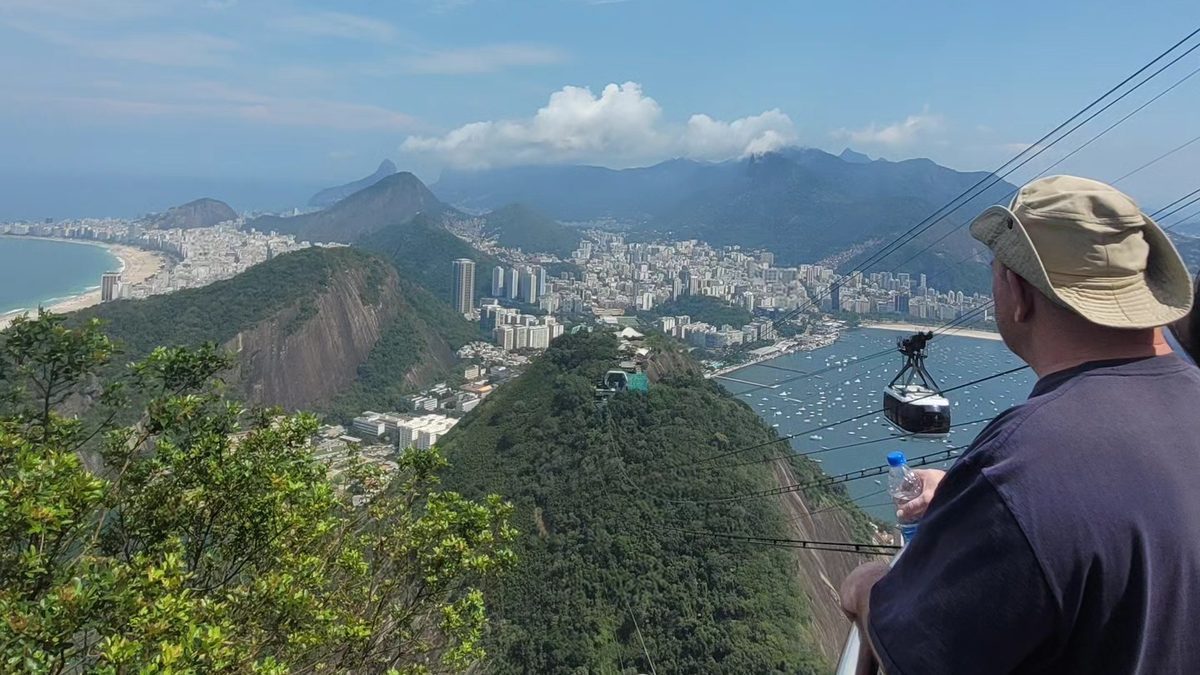
The beach’s position at the entrance of Guanabara Bay gives it distinctive geographic significance. The headland shelters Praia Vermelha from South Atlantic swells, making it popular with swimmers despite its small size. The cable car system to Sugarloaf departs nearby, with the first section opening in 1912—contributing to this location’s historic significance as the calling card of Rio de Janeiro.
The coastline here feels intimate and enclosed, with a seawall path and residential buildings hugging the shoreline of Urca. This almost village-like ambiance contrasts sharply with the long, open expanses visible from the rocks looking south.
Copacabana’s Sweeping Atlantic Arc
Copacabana Beach forms a broad crescent of open-ocean coastline stretching approximately 4 kilometers, directly facing the Atlantic with strong waves and a wide strip of sand. This is perhaps the most recognized beach in the world, with the city’s dense high-rise architecture rising directly behind the sand.
The iconic black-and-white wave-pattern Portuguese pavement promenade runs the entire length, redesigned in the 1970s. The promenade separates from Avenida Atlântica by bike paths and rows of kiosks serving local snacks and drinks, with street vendors adding to the vibrant atmosphere.
The coastline geometry—curving from Forte de Copacabana at the east end to Leme in the north—creates a natural amphitheater ideal for large public events. The New Year’s Eve celebrations here draw millions for fireworks displays across the arc of sand.
The beach supports various recreational activities including swimming, soccer, tanning, and beach volleyball. Numerous hotels (including the historic Copacabana Palace) front the sand, making this section highly urbanized compared with quieter coves elsewhere on the coast.
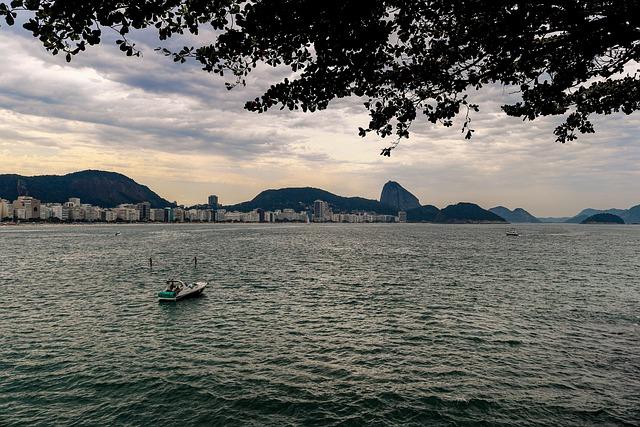
Arpoador Headland and Transition to Ipanema
Arpoador functions as a rocky promontory literally separating Copacabana from Ipanema, jutting into the Atlantic Ocean. The shoreline narrows dramatically here, with stone outcrops creating notable surf breaks and a small sandy beach favored by surfers.
From the Arpoador rocks, visitors access one of Rio’s most famous sunset viewpoints. The vista recedes west along Ipanema and Leblon with Dois Irmãos mountain visible at the west end, creating signature postcard views of the coastline. At night, crowds gather on the rocks to watch the sun disappear behind the several rocky mountains that define this stretch.
This subsection of coast functions as a natural dividing line and viewpoint rather than an extended beach segment—a geographic pause between two famous stretches of sand.
Ipanema and Leblon: Refined Urban Beachfront
Ipanema Beach and Leblon form a continuous approximately 3-kilometer stretch of oceanfront running west from Arpoador to the Leblon lookout at the base of Dois Irmãos. The coastline here is relatively straight and west-facing, shaping daily late-afternoon light patterns that make sunsets a ritual element of beach culture.
The beach divides into numbered lifeguard stations (postos), each marking subtle shifts in crowd composition and activities, a system that underpins much of Rio de Janeiro’s beach etiquette and social norms:
Posto | Character |
|---|---|
8-9 | Local families, general beach-goers |
10 | LGBTQ+ friendly |
11-12 | Young crowds, volleyball |
Leblon | More families, upscale feel |
Behind the sand rise some of Rio’s most expensive residential blocks, giving this portion of the coast a more polished, refined neighborhood feel than Copacabana’s hotel-heavy frontage. Tom Jobim immortalized Ipanema in song, and the area maintains its sophisticated reputation. |
|
The canal and small pier at the Leblon end (Jardim de Alah) physically mark the transition to the next coastal sector westward.
Western Coastline: São Conrado, Barra, Recreio and Preserved Beaches
West of Leblon, the coastline transforms fundamentally. Distances expand, avenues widen, and the city environment becomes more modern and spacious. Mountains and tunnels segment the shoreline into distinct pockets of development and preserved nature—creating a qualitatively different coastal experience from the compact zona oeste beaches of the South Zone.
São Conrado and the Coastal Cliffs
Praia de São Conrado presents a relatively short but wide strip of sand positioned beneath towering cliffs and Pedra da Gávea, facing open ocean. The skyline density diminishes compared to Copacabana, featuring a mix of residential towers and an elevated coastal highway cutting along the mountainside.
The mountainous areas create a dramatic sense of geography, with the beach squeezed between high granite walls and the Atlantic. A distinct aerial dynamic distinguishes this stretch: hang gliders and paragliders from Pedra Bonita frequently land on the sand, adding a unique element unavailable at other rio’s beaches, making São Conrado stand out among the diverse experiences offered along the coastline.
The rocky headland of Dois Irmãos looms immediately to the southwest, with southern slopes visible from the beach marking the transition to subsequent coastal areas.
Barra da Tijuca’s Long Modern Seafront
Barra da Tijuca stretches for more than 14 kilometers (some sources cite up to 18 km), making it Rio’s longest urban beach by significant margin. The beach features broad sandbanks and consistent strong Atlantic surf suitable for water sports—preferred by local surfers, kite surfers, and windsurfers.
Avenida Lúcio Costa runs parallel to the beach, separated by a promenade, bike path, kiosks, and sand dunes in sections. This layered infrastructure creates multiple pathways and recreation opportunities along the extended coastline.
The zona oeste coastline here represents contemporary coastal suburban development:
- Gated communities set back from the shore
- Shopping centers along the coastal road
- 2016 Olympic facilities occupying portions of this sector
- Plains composed of marine and continental sediments backing the beach
The sense of scale and openness at Barra da Tijuca creates a fundamentally different experience from the compact South Zone—wider sandy expanses, less crowded conditions, and more room for extended activities.
Recreio dos Bandeirantes and Surfers’ Beaches
The coastline continues from western Barra into Recreio dos Bandeirantes, where the beach narrows slightly and the built environment becomes lower-rise with more single family houses. This stretch draws local surfers due to consistent waves and fewer tourists than central beaches.
The coast begins feeling closer to natural headlands here, with rocky outcrops at Pontal and visible transitions toward preserved areas. The residential, laid-back ambiance marks this as an edge-of-the-city environment with local rather than tourist-focused character.
Campo Grande and other western communities extend inland from this coastal segment, connecting the metropolitan region’s beach areas to its interior neighborhoods.
Prainha and Grumari: Protected Coastal Reserves
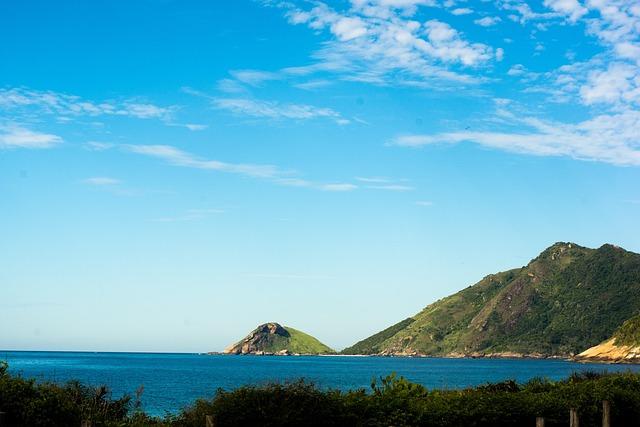
Prainha and Grumari occupy an environmental protection area west of Recreio, accessed by a scenic coastal road passing through hills and Atlantic rainforest. These beaches represent what much of Brazil’s Atlantic coast looked like before development.
Prainha functions as a small horseshoe bay framed by steep green slopes:
- Known for surf conditions and wild, rugged coastal feeling
- Luscious greenery and tropical forest directly backing the sand
- Limited development preserving natural character
Grumari extends farther, featuring:
- Approximately 3 kilometers of sand between two hills
- Low dunes and native vegetation (Restinga tropical biome)
- Virtually no high-rise construction on the shoreline
- Massive waves reaching 3 meters recorded at the site
Access considerations significantly shape the experience: limited parking, controlled vehicle entry on busy days, and absence of large commercial kiosks maintain comparatively pristine conditions. This part of the coastline remains one of Rio’s best-kept secrets.
Natural Landmarks That Shape the Coastline
Rio’s coast derives definition as much from granite peaks and forested ridges as from the beaches themselves. These natural formations literally dictate where the shoreline bends, narrows, or opens—creating the rhythmic compression and expansion that characterizes the city’s relationship with the sea.
Sugarloaf Mountain (Pão de Açúcar)
Sugarloaf marks the narrow entrance to Guanabara Bay, serving as both a geographic pivot point and Rio’s most recognizable landmark. The mountain protects the inner bay coastline while leaving outer Atlantic beaches exposed to ocean swells from the open sea. The cable car system accessing Sugarloaf, operating since 1912, creates a historic link between this natural landmark and Rio’s tourism infrastructure.
Dois Irmãos and the South-West Divide
The Dois Irmãos massif separates Leblon from São Conrado, creating the geographic constraint that necessitates tunnels and roads cutting through the rocky mountains. This topographical feature creates visual breaks in the otherwise continuous beachfront, physically segmenting the South Zone from western beach areas and shaping development patterns throughout the city’s history.
Pedra da Gávea and Western Heights
Pedra da Gávea looms over São Conrado and western stretches, creating dramatic vertical landscape elements directly adjacent to the shoreline. The mountain’s steep cliffs contribute to the “squeezed between cliff and sea” sensation characteristic of that coastline segment. Alto da Boa Vista sits in the mountainous terrain nearby, offering elevated perspectives of the urban sprawl meeting natural landscape.
Forest Reserves Backing the Coast
Tijuca National Park and Pedra Branca State Park extend forest coverage along the coastal mountains, with Atlantic rainforest slopes literally tumbling down to meet the beaches. These protected areas maintain the green backdrop visible from nearly every beach in Rio, preventing the sprawl seen in other metropolitan areas. The parks also contribute to frequent weather changes as moist ocean air rises over the mountainous terrain.
Climate, Currents, and Seasonal Coastline Experience
Rio’s coastal experience changes more with season, water quality variations, and ocean conditions than with extreme temperature fluctuations. The city experiences roughly 23°C (73°F) annual average temperatures, maintaining mild temperatures year-round—though the beach experience varies considerably, especially when you factor in the nearby forests, wetlands, and marine ecosystems that support Rio’s diverse wildlife.
Seasonal Patterns
The basic seasonal division:
Season | Months | Conditions |
|---|---|---|
Summer | Dec–Mar | Hotter, wetter, greater rainfall |
Winter | Jun–Sep | Milder, drier |
Shoulder | Apr–May, Sep–Oct | Warm with fewer crowds |
Cold fronts can bring dramatic temperature drops over 24-48 hours, with greater rainfall in mountainous areas often triggering heavy rain along the coast. The geographic situation of Rio—caught between ocean and mountains—creates these frequent weather changes that visitors should anticipate. |
|
|
Water Temperature and Quality
Cold fronts and upwelling can cool sea temperatures, especially along open Atlantic beaches like Barra and Recreio. This affects swimming comfort and can make certain coastal sectors more or less appealing depending on recent conditions.
Water quality varies significantly:
- Inner-bay areas like Flamengo show more variable quality, particularly after heavy rain
- Open-ocean stretches (Ipanema, Grumari) maintain better circulation
- Catastrophic floods and major rain events temporarily affect all beaches
The shoulder seasons (April–May and September–October) typically provide the best combination: warm enough for comfortable swimming with reduced tourist density.
Access, Waterfront Paths, and How to Explore the Coastline
Rio’s coastline can be experienced through multiple modes—on foot via continuous beachfront promenades, by bicycle, by car along coastal highways, and from elevated viewpoints. Different segments suit each exploration style.
On Foot and By Bike
Continuous beachfront promenades and bike paths link Copacabana, Arpoador, Ipanema, and Leblon, creating a walkable corridor through the South Zone’s most iconic beaches. Weekend road closures frequently convert beachfront avenues into car-free waterfront spaces, and many visitors opt for full-day city tours that combine these coastal walks with major inland sights.
Long coastal cycle and running routes extend through Barra and Recreio, while recreational paths in Parque do Flamengo provide waterfront recreation along Guanabara Bay.
By Car and Coastal Roads
Tunnels, coastal highways, and scenic roads enable movement between otherwise separated beaches, which is why many travelers choose express highlight tours linking the key viewpoints like Christ and Sugarloaf:
- Niemeyer Avenue connects Leblon to São Conrado via dramatic clifftop views
- The road to Grumari passes through hills and rainforest
- The west side coastal highway runs the length of Barra da Tijuca
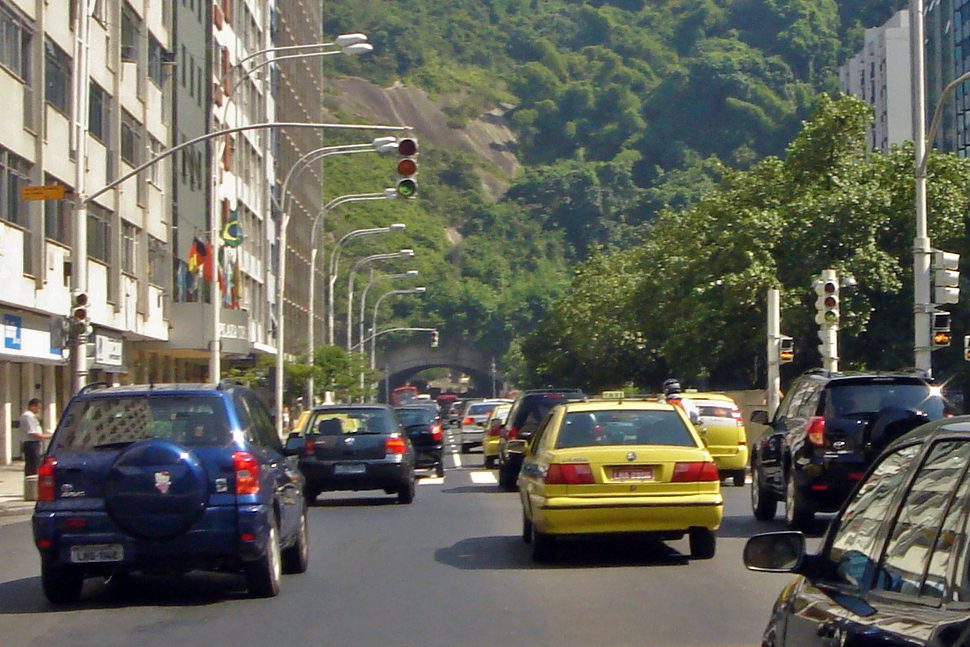
From vila isabel and zona norte neighborhoods, reaching the beaches requires crossing through tunnels that pierce the coastal mountains.
Key Viewpoints
Several viewpoints reveal the coastline’s overall shape:
Viewpoint | What You See |
|---|---|
Top of Sugarloaf | Guanabara Bay and Atlantic beaches |
Mirante do Leblon | Ipanema-Leblon-São Conrado succession |
Vista Chinesa | Entire urban coastline from elevation |
Pedra Bonita | Western coastline panorama |
In addition to visiting these lookouts independently, travelers with limited time often book guided Christ and Sugarloaf city tours to connect the main viewpoints into a single, efficient itinerary.
Near Praça da República and avenida rio branco in Centro, you’re closest to the bay rather than ocean beaches—the north zone and national museum are inland from the coast entirely. The pontifical catholic university campus sits in Gávea, closer to the South Zone beaches.
Understanding these access routes allows visitors to comprehend the coastline as a continuous, interconnected landscape rather than isolated beach names—revealing the underlying geography that makes Rio de Janeiro one of the most visited cities in the world.
Whether you have three days or three weeks, Rio’s coastline rewards exploration segment by segment. Start with the iconic South Zone beaches to understand what makes this city’s relationship with the sea so celebrated, then venture west to discover the wilder stretches that most tourists never reach. The rio de janeiro coastline isn’t just a destination—it’s a geography lesson in how nature and urban life can coexist dramatically, with restaurants, hotels, and park spaces woven between granite peaks and Atlantic surf.