
October 7, 2025

Where to Watch Football in Rio: A Complete Guide
Football isn’t just a sport in Rio de Janeiro—it’s a religion, a lifestyle, and the beating heart of Carioca culture. From the iconic stadiums that have hosted World Cup glory to the neighborhood botecos where fans gather for every match, experiencing football in Rio is an essential part of understanding this vibrant city. Whether you’re watching Flamengo battle Fluminense in a heated derby or joining locals at a beachside bar for a Sunday afternoon match, here’s your complete guide to watching football like a true Carioca.
The Stadiums: Temples of the Beautiful Game
Maracanã Stadium (Estádio Jornalista Mário Filho)
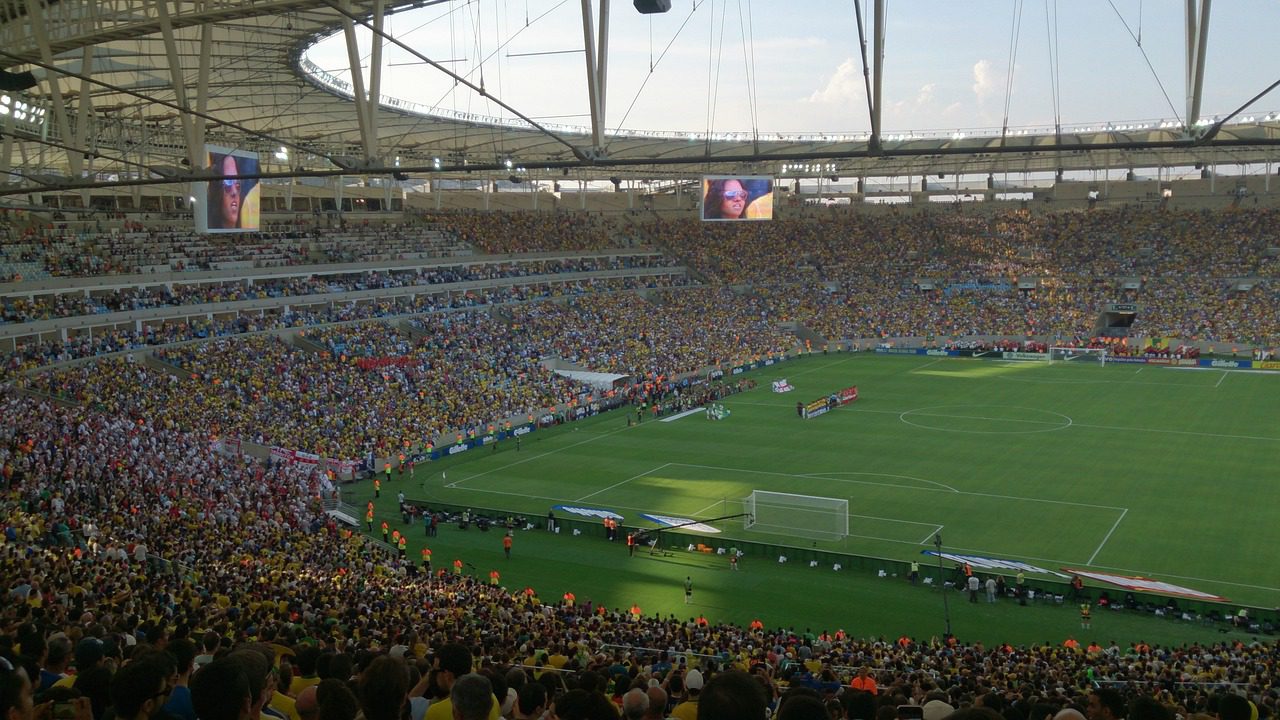
No football pilgrimage to Rio is complete without visiting the legendary Maracanã. Once the world’s largest stadium, this iconic venue has witnessed some of football’s most memorable moments, from Pelé’s 1,000th goal to the 2014 World Cup final. The Maracanã was inaugurated in 1950 and famously hosted the 1950 World Cup final on July 16, a match that drew a record official attendance of nearly 200,000 spectators, creating an unforgettable atmosphere in the stands. The stadium has also been the stage for many historic matches of the Brazilian national team, cementing its importance in the country’s football history. Today, after extensive renovations, the Maracanã seats nearly 79,000 passionate fans and serves as home to both Flamengo and Fluminense, and many visitors choose a guided Maracanã stadium tour to explore its inner sanctums and rich history.
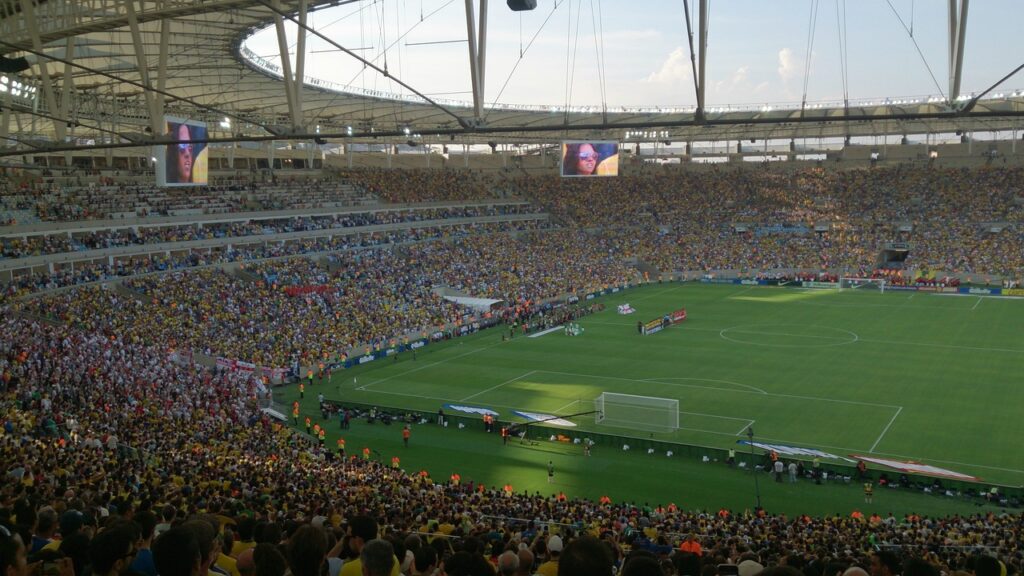
Attending a match here is an overwhelming sensory experience. The stadium erupts when goals are scored, with fireworks, drums, and deafening roars that shake the concrete structure. The best seats depend on your budget and desired experience. The lower bowl (inferior) puts you close to the action, while the upper deck (superior) offers panoramic views and costs less. For the ultimate Carioca experience, consider the general admission standing areas behind the goals, where the organized supporters’ groups (torcidas organizadas) lead non-stop chanting, flag-waving, and drumming throughout the entire match.
Getting there is straightforward via the metro’s Maracanã station on Line 2. Arrive early to soak in the pre-match atmosphere, as the surrounding area transforms into a festival of street vendors selling team jerseys, snacks, and beverages. Security is tight, so don’t bring bags larger than necessary, and leave valuables at your hotel.
Estádio Nilton Santos (Engenhão)
Home to Botafogo, the Estádio Nilton Santos offers a more intimate atmosphere than the Maracanã. Located in the Engenho de Dentro neighborhood, this 46,000-capacity stadium was built for the 2007 Pan American Games and has become Botafogo’s fortress. The stadium also played a significant role in hosting Olympic sports during the 2016 Summer Olympics, further cementing its place in Rio’s sporting history. The club’s passionate supporters, known for their loyalty through decades of ups and downs, create an electric environment on match days.
Botafogo’s recent resurgence has made matches here increasingly exciting. The stadium is accessible via the Engenho de Dentro train station, and tickets are generally more affordable than at the Maracanã. The surrounding neighborhood offers authentic botecos where you can enjoy pre-match beers and conversation with locals who live and breathe black-and-white.
Estádio São Januário
For a taste of old-school Brazilian football, visit Vasco da Gama’s home at São Januário in the São Cristóvão neighborhood. This historic stadium, built in 1927, is not only the first privately-owned football stadium in Brazil but also features a renowned court that has hosted football and other sports, making it a landmark venue for the club’s multi-sport tradition, including Olympic sports. As a Brazilian club with a significant national and international legacy, Vasco da Gama has been managed through both triumphs and challenges, with effective administration helping the club achieve pioneering milestones.
With a capacity of around 21,000, São Januário offers a more traditional, working-class football experience. The club’s commitment to social inclusion and sporting excellence is evident in its history—Vasco was the first Brazilian club to play in the McDonald’s Championship final and the first to win the 1948 South American Championship of Champions, a landmark competition that inspired progress in world football. Vasco’s participation and victory in the Copa Libertadores further cemented its status, and the club has carried its legacy forward through memorable wins in both domestic and international competitions, including notable derbies against São Paulo teams and historic matches involving rivals like Uruguay.
The stadium’s architecture tells the story of Brazilian football’s golden age, and attending a match here feels like stepping back in time. Vasco’s supporters are known for their working-class roots and fierce loyalty, creating an atmosphere that’s raw and authentic. The club’s history is also marked by its role as a ‘seleção,’ with a diverse and talented roster that inspired changes in Brazilian football and social progress. Vasco’s influence on world football has been recognized by FIFA, and its pioneering actions have been carried through generations. The neighborhood around São Januário isn’t as tourist-friendly as areas near the Maracanã, so it’s wise to go with local friends or an organized tour group, especially for evening matches. The construction and maintenance of São Januário, as well as player acquisitions, have always depended on money and resourceful management, reflecting the club’s resilience and enduring commitment to excellence.
Understanding Rio’s Football Rivalries
Rio’s football culture revolves around four major clubs, each representing different social classes, neighborhoods, and identities. Understanding these rivalries is essential to grasping Carioca passion for the game.
Flamengo (Mengão)
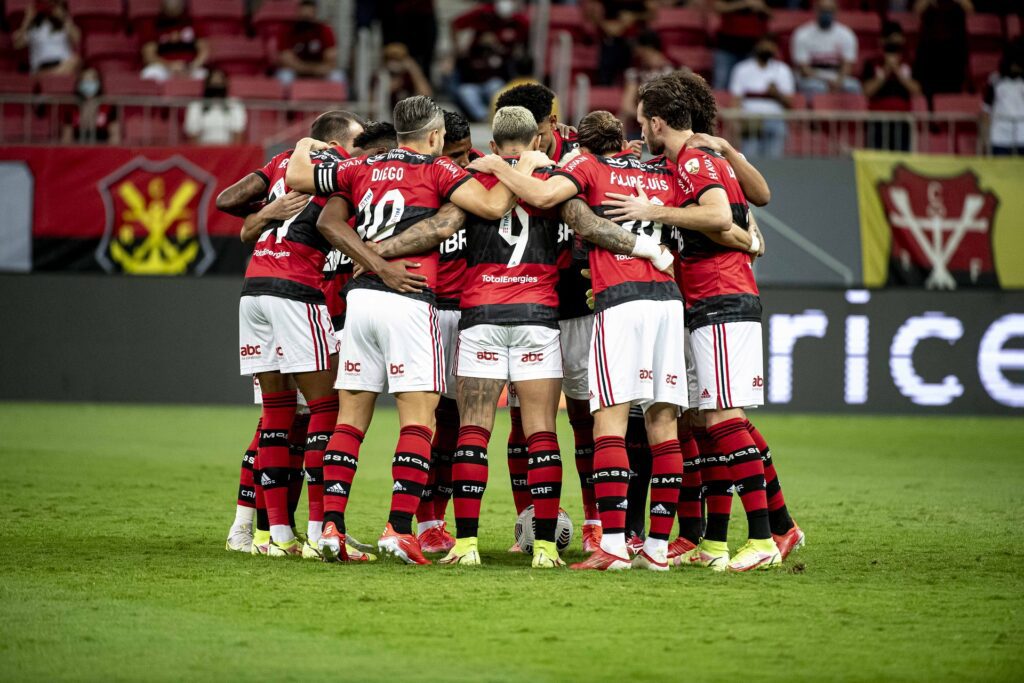
Brazil’s most popular club, Flamengo boasts an estimated 40 million supporters nationwide, with the lion’s share in Rio itself. The club’s red-and-black colors are ubiquitous throughout the city. Traditionally associated with working-class neighborhoods, Flamengo has transcended social boundaries to become a truly populist club. Their supporters are known for their overwhelming numbers and passionate support, making any Flamengo match a spectacle.
Fluminense (Flu)
Founded by the city’s elite in 1902, Fluminense traditionally represented Rio’s upper classes, though its fan base has diversified over the decades. Their supporters are called “pó de arroz” (rice powder) after a historic incident where a player whitened his face with rice powder to hide his mixed-race heritage. The rivalry with Flamengo, known as the Fla-Flu derby, is one of football’s great encounters, often drawing 70,000+ fans to the Maracanã.
Botafogo (Fogão)
Known for their black-and-white striped jerseys and their Copacabana and Botafogo neighborhood roots, this club has a passionate following despite recent struggles. Botafogo fans pride themselves on their loyalty through thick and thin, and the club’s history includes some of Brazilian football’s greatest players, including Garrincha and Jairzinho.
Vasco da Gama
Founded by Portuguese immigrants in 1898, Vasco became a symbol of working-class and immigrant communities. The club was pioneering in fielding black and mulatto players when other clubs maintained racist policies. Vasco supporters take immense pride in this progressive history, and their rivalry with Flamengo (the Clássico dos Milhões, or Classic of Millions) is one of Rio’s most intense.
The peak of Rio football culture occurs during the Campeonato Carioca (Rio State Championship), typically held during the first half of the year. These matches have enormous importance to local fans, often overshadowing national competitions.
Bar Culture: Where Cariocas Really Watch Football
While stadium atmosphere is unmatched, the majority of Cariocas watch football at their neighborhood boteco (casual bar). This is where you’ll experience the most authentic side of Rio’s football culture, surrounded by regulars who’ve been watching matches together for decades, much like the scenes described in Rio’s best bars and nightlife guide. Beyond watching, visitors are often welcome to join a casual game with locals in nearby parks or on the beach, where anyone can participate regardless of skill level, making it easy to connect and socialize through football in a relaxed, friendly setting.
Baixo Gávea
This neighborhood transforms into football central on match days. Bars line the streets with outdoor seating and massive screens. The area attracts a young, middle-class crowd, and the atmosphere is festive and social. Popular spots include Jobi, a classic boteco famous for its cold beer and bolinho de bacalhau (codfish cakes), and Bracarense, another institution where you can enjoy traditional bar snacks while watching the match.
Lapa
The bohemian heart of Rio comes alive during football matches. Lapa’s bars cater to a diverse crowd, from students to older locals. The neighborhood’s carnival atmosphere amplifies during important matches, with impromptu street celebrations when teams score. Bar da Boa is a local favorite, offering affordable drinks and authentic Carioca ambiance, and the area’s historic arches, samba clubs, and street art make it an essential stop even beyond match days.
Copacabana and Ipanema Beachfronts
For a more touristy but still authentic experience, the beachfront bars and restaurants in Copacabana and Ipanema all show matches on large screens. Watching football with your feet in the sand and a caipirinha in hand perfectly embodies Rio’s laid-back approach to life. Cervantes is legendary for its sandwiches and stays open late after matches, becoming a meeting point for celebrating or commiserating fans.
Barra da Tijuca
This modern, sprawling neighborhood has sports bars that cater to a more upscale crowd and sits alongside Barra da Tijuca’s long beaches and modern attractions, which are ideal to explore before or after a match. While less traditional than neighborhood botecos, these establishments offer comfortable viewing experiences with multiple screens, good food, and craft beer options. They’re particularly popular with families and foreign football fans.
Essential Tips for Watching Football Like a Carioca
Choose Your Colors Carefully: Never wear rival team colors in an opponent’s territory. If you’re neutral, wear your home country’s colors or plain clothes. Brazilians are generally friendly toward foreign fans, but respect for local allegiances is important.
Learn the Chants: Cariocas sing throughout entire matches. Learning basic chants shows respect and enhances your experience. YouTube has compilations of each club’s main songs. Don’t worry about perfect pronunciation—effort is appreciated.
Embrace the Snacks: Brazilian match-day food is part of the experience. Try pastel (fried pastries), coxinha (chicken croquettes), and bolinho de bacalhau. At bars, order petiscos (bar snacks) to share with your table. And never forget: beer must be “estupidamente gelada” (stupidly cold).
Understand the Schedule: Brazilian football has multiple competitions running simultaneously—state championships, national league (Brasileirão), Copa do Brasil, and Libertadores. Check which teams are playing before planning your visit. The most atmospheric matches are derbies and Libertadores knockout rounds.
Safety Considerations: While football culture is generally welcoming to foreigners, exercise common sense. Avoid derby matches if you’re uncomfortable in intense crowds. Don’t flash expensive jewelry or cameras. Leave the stadium with the crowd flow, and use registered taxis or ride-sharing apps rather than walking through unfamiliar neighborhoods at night.
Ticket Purchasing: Buy tickets online through the clubs’ official websites or authorized sellers to avoid scalpers. During the booking process, you’ll need to fill in your contact details and sometimes specify your preferred regions for ticket pickup or delivery. Some services may have different policies or additional charges for other regions outside the main city zones (such as the South Zone, Center Zone, or other regions), so consult the club or ticket provider for details about availability and pricing. For ticketing inquiries or cancellations, be sure to provide your email address to ensure prompt communication.
Arrive Early, Stay Late: The experience begins hours before kickoff and continues well after the final whistle. Pre-match, the areas around stadiums and bars buzz with excitement. Post-match, Cariocas gather to dissect every play, celebrate victories, or analyze defeats over more cold beer.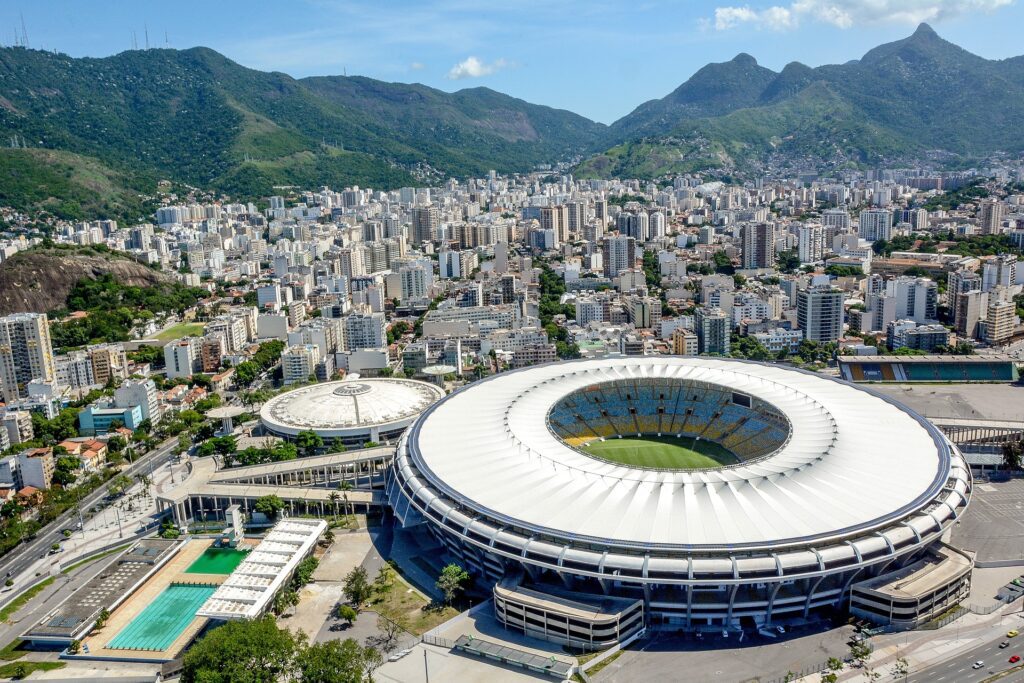
Beyond Match Day: Football Tourism in Rio
Football permeates Rio’s culture beyond match days. Visit the Maracanã Museum, which chronicles Brazilian football’s history through memorabilia, interactive exhibits, and tours of the stadium’s inner sanctums, including the changing rooms and players’ tunnel.
Each major football club, such as Flamengo, Fluminense Football Club, Botafogo, and Vasco da Gama, has official stores selling authentic merchandise. These make for meaningful souvenirs and conversation starters with locals. Wearing a Rio team jersey around the city will inevitably lead to friendly banter and photo requests.
Football tourism in Rio attracts visitors from across the country and around the world, highlighting the sport’s national significance and its deep roots in Brazilian culture, and it easily fits into a 24-hour authentic Carioca itinerary that mixes matches with everyday local life.
Consider a guided football tour, where local experts take you to historic stadiums, explain the rivalries, and introduce you to authentic fan culture. These tours often include visits to training grounds and meetings with former players.
The Carioca Spirit
What makes watching football in Rio special isn’t just the skill on the pitch—it’s the collective passion that unites the city. Rio has long been a pioneer in football culture, shaping the way the game is played and celebrated not only in Brazil but across South America. When Flamengo scores a late winner, you hear celebrations erupting from apartments across entire neighborhoods. When Botafogo finally ends a trophy drought, grown men cry tears of joy. This emotional investment, this belief that football matters profoundly, defines Carioca culture.
Football in Rio is democratic. In the same boteco, you’ll find lawyers and laborers, retirees and students, all united by their love for their club. Arguments are passionate but rarely personal. Everyone has an opinion about tactics, referees, and which player should be sold or bought.
As a visitor, embracing this culture means more than watching a match—it means joining a community, even briefly. Ask locals about their team’s history, including the Portuguese and French influences that shaped Rio’s football heritage, especially in clubs like Vasco da Gama whose name and legacy reflect the era of European exploration. Listen to their stories about past glories and heartbreaks. Share in their hopes for the next game. This openness to newcomers, this desire to share their passion, is quintessentially Carioca.
Whether you’re witnessing 75,000 fans at the Maracanã create an earthquake of noise, or sitting in a corner boteco as neighbors debate a controversial penalty, watching football in Rio offers a window into the city’s soul. The beautiful game has never been more beautiful than when experienced through Carioca eyes, where every match is a theatrical performance, every goal a moment of transcendence, and every defeat a tragedy to be overcome.
So grab a jersey, order an ice-cold Brahma or Antarctica, and prepare to experience football the way it was meant to be experienced—with passion, joy, and the infectious energy that makes Rio de Janeiro one of the world’s great football cities.