

October 16, 2025

Tour Guide Insights: Ilha Fiscal, Rio de Janeiro
The Fairytale Palace Where an Empire Danced Its Last Waltz
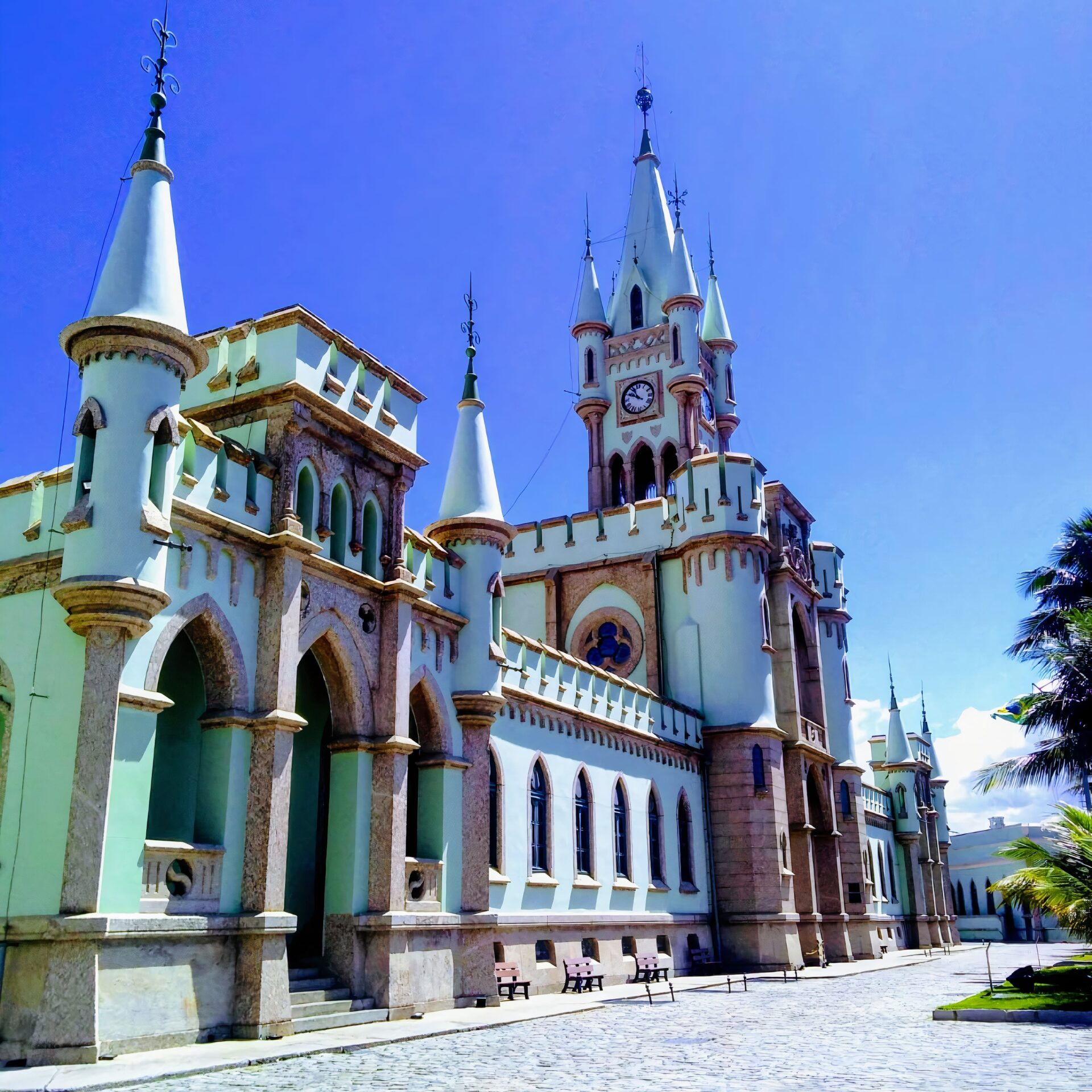
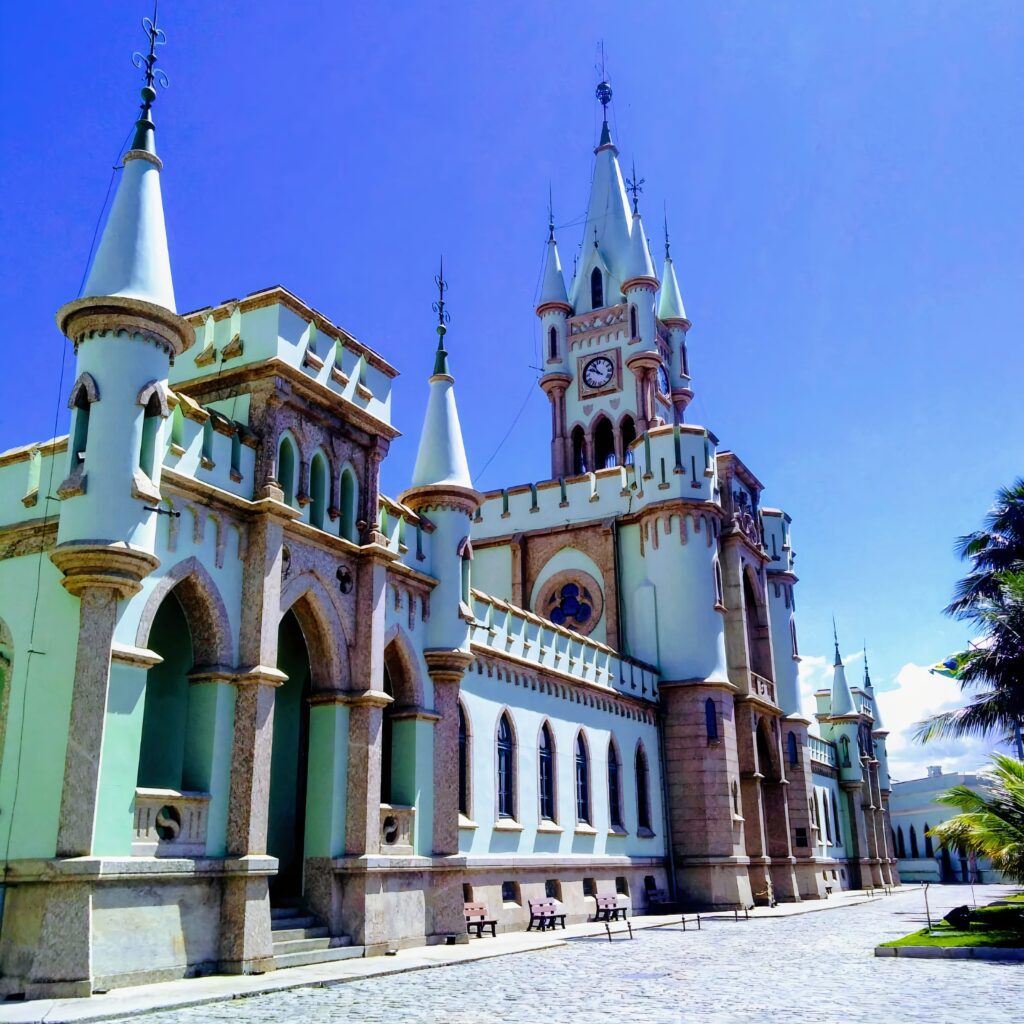
After twenty years of guiding visitors across Guanabara Bay to this lime-green jewel, I still get chills when our boat approaches Ilha Fiscal. There’s something magical about watching that neo-Gothic palace emerge from the water, its turrets reaching skyward like something from a European fairy tale—except this castle holds the bittersweet secret of Brazil’s last imperial night.
A Palace Born from Imperial Dreams
Let me tell you the story that never gets old. When Emperor Dom Pedro II commissioned his engineer, Adolfo José del Vecchio, to design a customs house in the 1880s, he wanted something spectacular. What del Vecchio delivered on April 27, 1889, was pure architectural fantasy—a Gothic-Provençal palace inspired by French architect Viollet-le-Duc, sitting on what locals once dismissively called “Rat Island.”
The island’s transformation was remarkable. From a forgotten speck in the bay, it became the headquarters of the Guarda Fiscal, the customs authority that monitored all goods entering Brazil’s then-capital. But its customs duties would pale in comparison to its destiny as the stage for one of history’s most poignant parties.
November 9, 1889: When History Wore a Ball Gown
Here’s where I always pause during tours, because this moment changed everything. Picture this: up to 5,000 guests in their finest attire, jewels catching candlelight, the cream of Rio’s high society waltzing through these very halls. The occasion? The silver anniversary celebration of Princess Isabel and the Conde Deu. The emperor himself was there, presiding over what everyone thought was just another glamorous imperial soirée.
No one knew they were dancing at their own farewell party.
Six days later—just six days—a military coup overthrew the monarchy and proclaimed the Republic of Brazil. The extravagant ball, allegedly financed with funds meant for drought relief in Ceará, became immortalized as “O Último Baile do Império”—The Last Dance of the Empire. It’s the historical irony that makes this place unforgettable: an empire waltzing into oblivion, completely unaware.
The Detail Tourists Always Miss
Here’s my favorite story, one that shows del Vecchio’s character. After the coup, as a boat passed the island carrying republican officials, someone noticed the imperial coat of arms still emblazoned on the palace facade. “Tear it down!” they demanded. But del Vecchio, who was onboard and had become a republican supporter himself, convinced them to spare it. He claimed it was the work of an elderly blind master craftsman—a white lie that saved an irreplaceable piece of art. Today, that coat of arms still watches over the bay, a delicate reminder that revolutions don’t have to destroy everything beautiful from the past.
What to Expect on Your Visit
The journey begins at the Navy Cultural Center near Praça XV, where you’ll purchase tickets at the Maritime Museum. The boat ride itself is part of the enchantment—watching the Rio skyline recede as planes descend toward nearby Santos Dumont Airport, creating an interesting dance between past and present.
Tours run Thursday through Sunday at 12:45 p.m., 2:15 p.m., and 3:30 p.m., and the entire experience takes less than two hours. One word of advice I always give visitors: the tours are conducted in Portuguese. If you don’t speak the language, consider bringing a Portuguese-speaking friend or hiring a private translator to truly appreciate the rich historical narratives.
Inside, you’ll explore several rooms on the ground floor (the upper levels remain restricted), including exhibitions about Brazilian naval history. The palace was recently restored and reopened in July 2023 after eighteen months of careful work. Among the treasures now on display is the Galeota D. João VI, the oldest preserved vessel in Brazil, once used by the Portuguese royal family.
The Views That Steal Hearts
But honestly? Even if history isn’t your passion, come for the views. From Ilha Fiscal, you’ll see Rio from a perspective few tourists experience: Sugarloaf Mountain rising majestically, Christ the Redeemer watching from atop Corcovado, the sweep of downtown Rio, and the elegant arc of the Rio-Niterói Bridge. The boat ride across Guanabara Bay, with mountains framing the water, turns the journey itself into a highlight.
My Insider Tips
Book early: Tours have limited capacity, and this remains one of Rio’s most underrated attractions. The intimate size means a better experience, but also means slots fill quickly.
Bring your camera: The exterior shots of the palace against the bay are spectacular, particularly in late afternoon light.
Time it right: Morning tours offer clearer light for photography, while sunset tours provide dramatic golden-hour views of the city.
Combine your visit: The Maritime Museum where you purchase tickets is worth exploring, especially if you’re interested in submarines—there’s one you can actually walk through.
Manage expectations: This isn’t Versailles. The interior is limited to a few rooms, and the palace is relatively small. But what it lacks in scale, it more than makes up for in historical significance and setting.
Why This Place Matters
In Rio, a city of grand vistas and famous beaches, Ilha Fiscal offers something different: intimacy with history. This isn’t a monument to triumph but to transition, to the delicate moment when one era ended and another began. The palace stands as proof that sometimes the most important moments in history happen at parties, when everyone’s guard is down and the future arrives uninvited.
Every time I guide a tour here, I watch visitors’ faces change as they stand on the same floors where that last imperial waltz played out. They look across the bay at modern Rio, then back at the palace’s Gothic turrets, and something clicks—an understanding that history isn’t just dates and facts, but real people in real places, dancing their way toward an uncertain future.
Come to Ilha Fiscal not just to see a pretty palace, but to stand at the threshold where imperial Brazil took its final bow. Trust me, after two decades of sharing this story, it never gets old. And judging by the looks on visitors’ faces as they board the return boat, neither does the magic of this extraordinary place.
Ilha Fiscal is located in Guanabara Bay, Rio de Janeiro. Tours depart from the Espaço Cultural da Marinha near Praça XV. Visit Thursday-Sunday. For current ticket prices and tour availability, check with the Maritime Museum on arrival.