
September 14, 2026

A Guide for Digital Nomads in Rio
If you are thinking about working remotely from Rio de Janeiro, you are looking at a city that keeps its arms open. Rio welcomes people. It always has. It turns up on lists of the best cities in the world for digital nomads, and once you have spent a few weeks here, you understand why: the climate is easy, the days are long, and the city gives you far more than a desk and a wifi password.
So here are my tips for anyone thinking about living in Rio as a digital nomad, along with a few places to start.
The daily rhythm
Start with the thing that sounds small and turns out to be everything: you can work next to a park or a beach here. That is not a marketing line; it is just how the Zona Sul is built. You take a call, you walk down for a coffee or a coconut water on the sand, and at the end of the day you go for a ride along the seafront before dinner. That atmosphere is particular to Rio, and it changes how the working week feels.
The weather is your co-worker.
Rio’s climate is the least dramatic thing about Rio. Winter lows sit around 18°C and summer highs around 31–32°C. Our coldest month, July, still has average highs near 25°C. No season requires a coat, and no season shuts the city down.
I will be straight with you about summer, because a lot of blogs are not. January through March is hot and humid, and during a heat wave the thermometer can push past 38°C. During those weeks, you will want air conditioning and to work indoors. The rest of the year is close to perfect.
If you have flexibility on timing, come between April and October. The light is beautiful, the rain is light, the humidity drops, and the beaches are ours again.
Your money goes further.
The exchange rate is genuinely favorable if you earn in dollars, pounds, or euros. A specialty coffee, a fresh coconut water on the sand, a full lunch at a comida a quilo buffet, a caipirinha at a corner bar — all of it costs a fraction of what you would pay in London, Sydney, or New York.
I want to be careful here, because “Brazil is five times cheaper” is the kind of thing people repeat without checking. Imported electronics are expensive. Rent in Leblon is not cheap by any standard. Where you genuinely save is on food, transport, services, gyms, and rent outside the two or three most expensive blocks. For most remote workers I have hosted, the monthly budget lands somewhere between a third and half of what they were spending at home, with a better quality of life attached.
The internet is fine.
This surprises people. Fibere is widespread across the Zona Sul,l and most apartments in the neighborhoods below will come with a solid connection. Mobile coverage is good, and 5G works across the central and southern districts. I have never had a guest miss a call because of Brazilian internet. I have had guests miss calls because they stayed too long at the beach.
The best neighborhoods in Rio for digital nomads
Every foreigner arrives wanting Ipanema. Some of them should live there. Most of them would be happier somewhere else, and I usually tell them so.
Botafogo is my first recommendation for anyone staying more than a month, and it is the one nobody asks about. It sits between the mountains and the bay, has the densest concentration of coworking spaces and cafés in the city, two metro stations, and it is where young Cariocas actually live. Sugar Loaf is your view from the street. It is not a postcard neighborhood, which is exactly why the rent is reasonable, and the restaurants are honest.
Ipanema and Leblon are the premium option. Beautiful, walkable, full of good food, and you are on the sand in five minutes. You will pay for it, and in high season you will share your street with a lot of tourists. If budget is not your constraint, Leblon is the calmer of the two.
Flamengo and Glória give you the bay, the enormous Aterro do Flamengo park, metro access in both directions, and prices noticeably below Ipanema. Glória, in particular, is having a moment, with good, affordable coworking and a fast link to downtown.
Santa Teresa is for a specific kind of person. Cobbled streets, colonial houses, artists’ studios, views over the whole city. It is the most charming place in Rio and the least practical — the hills are steep, the metro does not reach it, and you will rely on taxis at night. I love it. I would not tell a first-timer to base there.
Urca and Leme are the quiet ones. Urca is a village that happens to sit under Sugar Loaf, with almost no through traffic and a sea wall where people drink beer at sunset. Leme is the calm northern end of Copacabana. Both are lovely, both are residential, and both mean you’re traveling for nightlife.
Infrastructure ties it all together. The Zona Sul works — metro, buses, Uber, everything within reach. It is also where you will meet people. Rio has a real community of entrepreneurs and freelancers, and it is an easy city to make professional contacts in, because Cariocas will talk to you.
If you are weighing up a longer stay, we go into far more detail on what it is actually like to live in Rio de Janeiro as a foreigner.
Coworking spaces in Rio for remote workers
Rio’s coworking scene has grown fast. There are now hundreds of shared workspaces across the city, many with built-in cafés, so you have real choice rather than one option you tolerate.
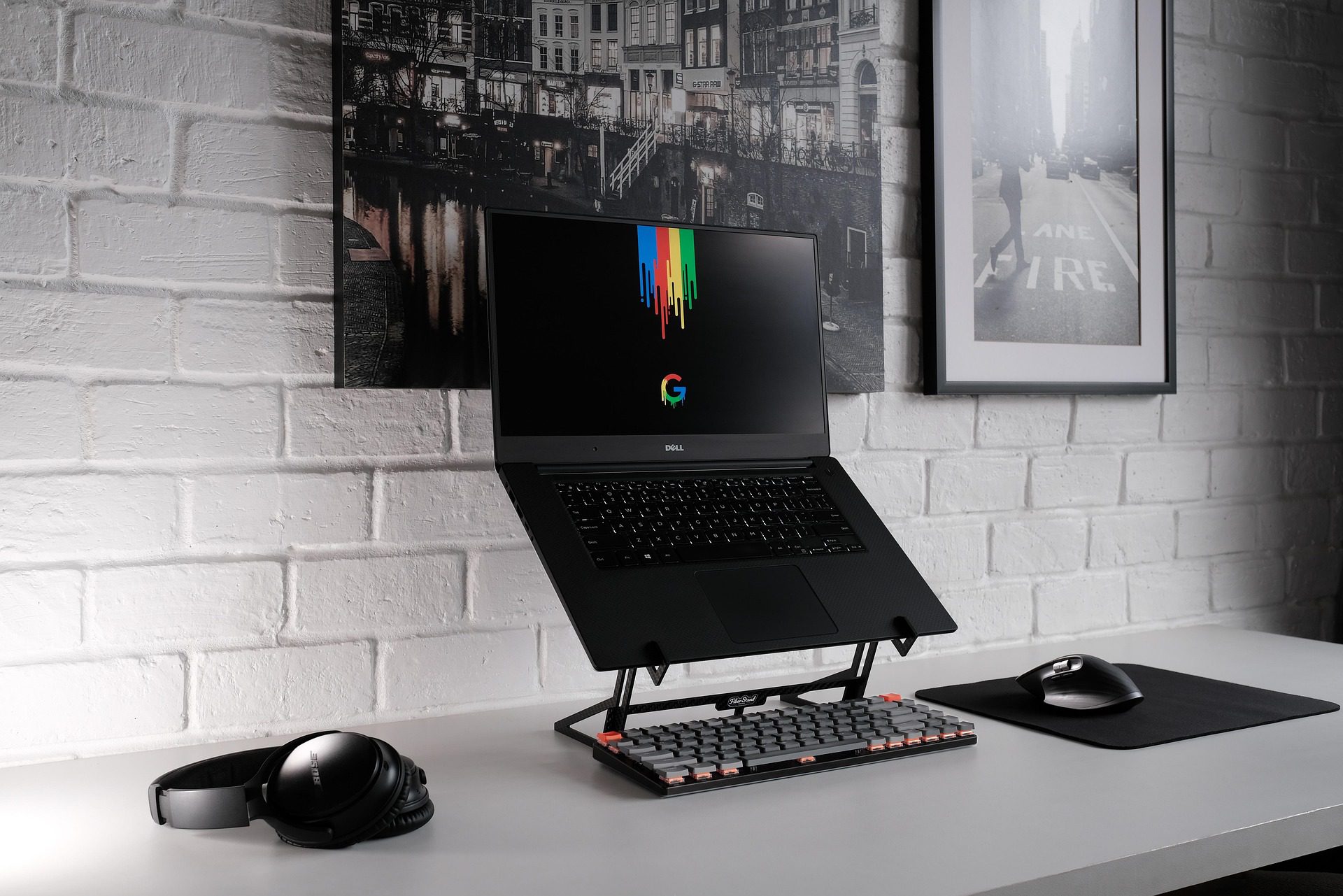
Reliable international names include WeWork (with a Botafogo location right under Sugar Loaf, plus downtown and Barra), Regus, and Spaces, all with day passes and month-to-month desks. For something more local and social, check out CoWorking Rio in Botafogo, Goma in Glória (if you want the cheapest serious option), and Coworking Arpoador or CW Place if you want to be a few minutes from Ipanema beach.
My advice, always: buy a single-day pass first. Sit there for a full working day. Test the wifi during a video call, test the chair, test the air conditioning, and test how loud it gets at 3 pm. Then commit to a month. I have seen people sign six-month contracts on a pretty photograph and regret it in week two.
For café work, Rio is generous. Botafogo, Santa Teresa, and Centro all have specialty coffee places where nobody will rush you. Just know that Brazilian café culture is social rather than silent — if you need a quiet room for calls, that is what the coworking membership is for.
If you want to know how to get a visa to work remotely from Brazil, read our guide to Brazil visa requirements.
Nature is not a weekend trip here
This is what makes people extend their stay.
Rio sits inside one of the world’s largest urban forests. From most of the Zona Sul, you are twenty minutes from the Tijuca Forest, with waterfalls, shaded trails, and viewpoints over the whole city. It is a genuine national park, and you can go after work.
Morro Dois Irmãos gives you what I think is the best view in Rio — Ipanema, Leblon, the lagoon, and the mountains all at once. It is a short, steep hike on the western edge of the Zona Sul,l and it is worth every step.
Further west, Parque Estadual da Pedra Branca and the famous Pedra do Telégrafo are a proper day out rather than an afternoon. Budget an hour and a half each way from the Zona Sul, and go early. If you would rather skip the logistics, we run a private Pedra do Telégrafo hike and handle the transport for you.
And the state itself has five national parks, which is more than most countries. If you have a long weekend, Itatiaia and Serra dos Órgãos are extraordinary. I have written a separate guide to the national parks of Rio de Janeiro if you want the full picture.
Living in Rio de Janeiro like a Carioca
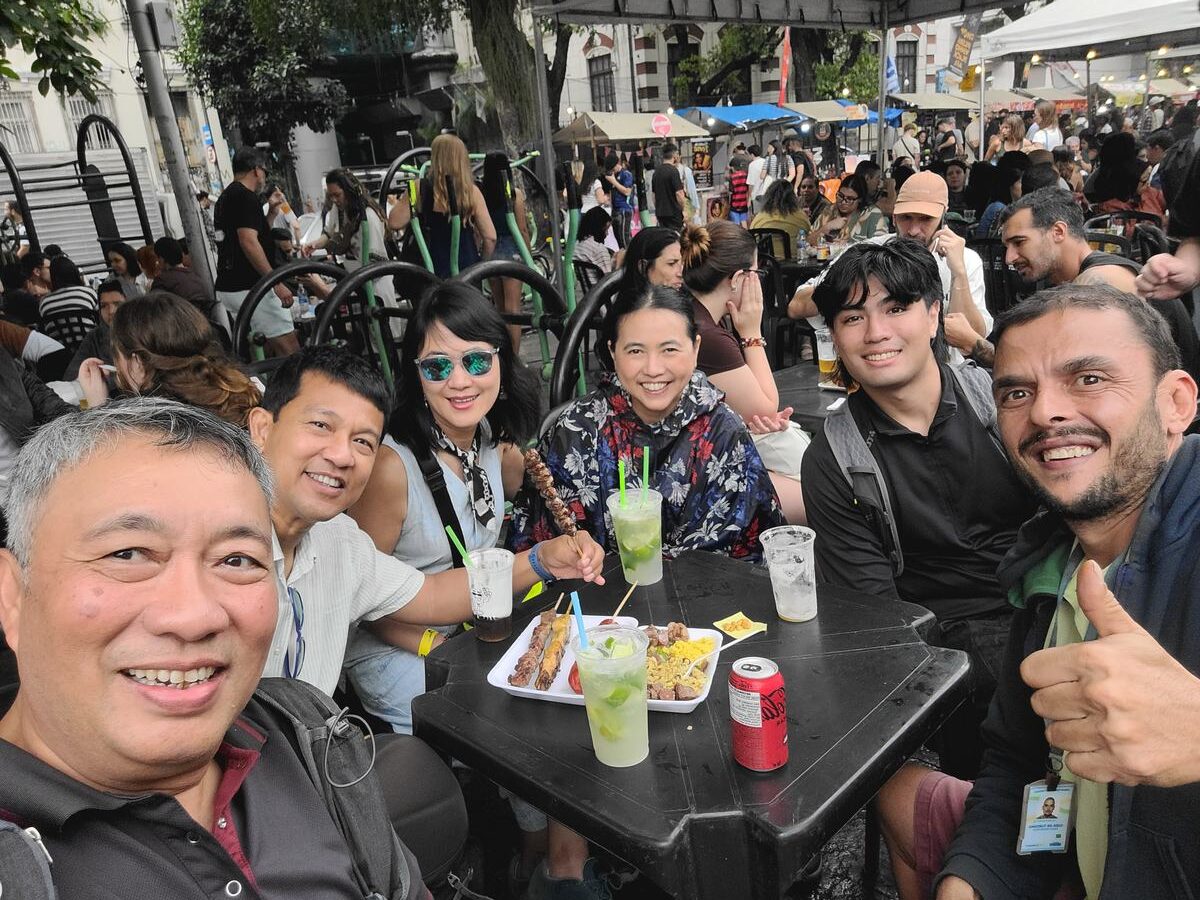
The city’s real gift is not the scenery. It is that people here are open. Cariocas talk to strangers. They will correct your Portuguese and then buy you a beer.
There is something every night and every afternoon, depending on which one you are. Street markets, exhibitions, festivals, free concerts, block parties, samba in Lapa, quiet wine bars in Botafogo. For a lot of people, this turns out to be the most charming part of living here as a digital nomad — not the beach, the calendar.
The rhythm is simple. Beer on the sea wall in Urca at the end of the day. Sunset at Arpoador, where the whole beach applauds when the sun goes down. It still gets me.
Learn twenty words of Portuguese before you arrive. It changes everything about how the city receives you.
A few practical notes
- Getting around: the metro covers the Zona Sul well and is clean and fast. Uber is inexpensive and universal. Between the two, you do not need a car.
- Apply common sense: Rio rewards awareness. Keep your phone out in the open, use Uber at night, and ask a local before wandering into an unfamiliar area. Do that, and you will be fine.
- Get a CPF: the Brazilian tax ID unlocks everything from phone plans to gym memberships. Sort it early.
Start with someone who knows the city.
If you are moving here to work, the difference between a good first month and a frustrating one is usually orientation. Knowing which street to walk down, which bar the locals actually use, how to read a neighborhood before you sign a lease.
At Rio Cultural Secre, we run a private orientation tour built specifically for people arriving to live and work here, not for people passing through in four days. It is fully private —always—never a mixed group—and designed to leave you with a working mental map of the city and a much shorter learning curve.
Come with your laptop. We will show you where to open it.