

May 6, 2026

Fun Activities to Do in Rio de Janeiro
Rio de Janeiro blends Atlantic beaches, tropical mountains, and infectious samba rhythms into one of the most vibrant cities on the planet. Rio de Janeiro offers a blend of iconic sightseeing, beach culture, and adventure that keeps visitors coming back year round. Whether you’re visiting rio de janeiro during the hot summer months from December to March—when Carnaval transforms the city into a massive celebration featuring parades at the Sambadrome where samba schools compete with elaborate floats and costumes, alongside street parties known as ‘blocos’—or exploring during the milder shoulder seasons, fun is never hard to find in this South American gem.
This guide covers the best fun activities to do in Rio de Janeiro across seven categories:
- Iconic viewpoints and panoramas
- Beach culture and water sports
- Hiking and adventure in urban rainforests
- Cultural and historical experiences
- Nightlife, samba, and live football
- Food, drink, and local flavors
- Day trips and neighborhood wandering
Expect concrete, time-specific advice: sunrise viewpoints, sunset rituals, Monday night samba circles, and match-day energy at the stadium. If you’re a first-time visitor looking to experience the best of Rio, this is your roadmap.
Iconic viewpoints and city panoramas
Rio’s geography sets it apart from any other city in the world. The collision of ocean, urban rainforest, and granite peaks creates viewpoints that feel like natural amphitheaters overlooking one of Earth’s most dramatic landscapes. Chasing panoramic views is one of the most rewarding and fun activities in the city.

Mirante Dona Marta at sunrise
Mirante Dona Marta is a viewpoint that offers stunning views of Sugarloaf and the city without requiring a hike. You can reach it by Uber or taxi in about 20-30 minutes from Zona Sul, paying around R$50-80 (~$9-14 USD). The helipad lookout offers unobstructed views of Sugarloaf Mountain, Christ the Redeemer, Maracanã Stadium, and Botafogo Bay.
For the best experience, arrive around 5:00-5:30 a.m. during the summer (December through February), when golden light hits the city, and only a handful of photographers share the space. Temperatures dip to around 20-22°C at dawn, so bring a light jacket. By midday, visitor numbers can climb past 200—sunrise keeps you ahead of the crowds.
Sugarloaf Mountain by cable car
Sugarloaf Mountain, or Pão de Açúcar, is a defining landmark of Rio de Janeiro, rising nearly 400 meters above Guanabara Bay and offering stunning 360-degree views from its summit. The historic Sugarloaf cable car experience, inaugurated in 1912, takes you up in two stages: first to Morro da Urca (220 meters) in about 3-4 minutes, then to the 396-meter summit in another 3 minutes.
The best strategy is to arrive in late afternoon for the 6:00-6:30 p.m. summer sunset over Copacabana’s curve and Niterói’s bridges across the bay. On clear days, you can see 20 kilometers in every direction. Buy tickets online (R$140-160, ~$25-29 USD) to skip lines that can stretch 1-2 hours during peak season. Plan for 2-3 hours total to explore both stations, grab a drink at the mid-station bar, and soak in the views.

Arpoador Rock for sunset
Arpoador Rock is a popular spot for watching the sunset between Copacabana and Ipanema. This natural sandstone outcrop forms a “grandstand” where hundreds of locals gather each evening. The local tradition involves applauding the sunset at Arpoador Rock, a Carioca practice that creates a communal celebration as the sun dips behind the Dois Irmãos twin peaks.
Arrive 30-40 minutes before sunset to claim your spot on the rocks. Street performers often appear, surfers catch final waves below, and the energy builds until that final clap echoes across the beach. Bring sturdy shoes for the rocky scrambles—flip-flops make the climb sketchy.
Tijuca National Park lookouts
For visitors seeking jungle adventure paired with city views, Tijuca National Park offers options such as Vista Chinesa and Cascatinha Taunay. Vista Chinesa is a 1920s pagoda-style overlook at 400 meters, reached by a 20-minute drive plus a short walk or a full-day Tijuca rainforest caves and waterfalls tour. It frames Lagoa and Corcovado through Atlantic Forest greenery.
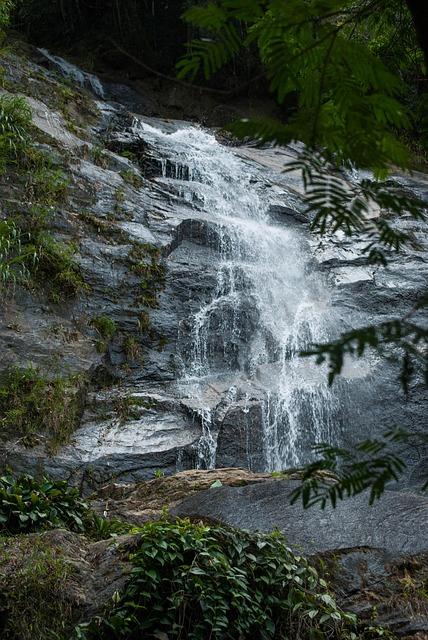
Cascatinha Taunay is a notable waterfall within Tijuca National Park, accessible via a 5-10 minute jungle trail that leads to a swimmable cascade surrounded by monkeys and orchids. Combining these spots makes for a half-day jungle-city fusion with far fewer visitors than Christ the Redeemer’s crowds.
Beach fun: sun, surf, and people-watching
Beach culture in Rio functions as a public living room. Sports, music, food vendors, and social life all converge on the sand. Weekends bring tens of thousands of cariocas to the shore, and joining them ranks among the most authentically fun activities to do in Rio de Janeiro.
Copacabana and Ipanema
Copacabana and Ipanema are two of the most iconic beaches in Rio de Janeiro, known for their vibrant atmosphere, beach volleyball, and local culture. The differences between them shape your experience:
- Copacabana Beach stretches for 4 kilometers and has a more classic, old-school vibe. Weekend afternoons pack the sand with 50,000+ locals playing futevôlei (footvolley, invented here in the 1960s), renting beach chairs for R$20-40 per day, and ordering caipirinhas from numbered kiosk postos.
- Ipanema Beach runs 2.5 kilometers with a trendier crowd favoring yoga, stand-up paddleboarding, and people-watching near Praça do Arpoador.
Both beaches reward weekend afternoon visits when the energy is at its peak. Rent a chair, order a cold maté from wandering vendors, and spend half the day absorbing the scene.
Arpoador Beach for surfing
Arpoador Beach is famous for its stunning sunsets, where locals and tourists gather to watch the sun dip behind the Dois Irmãos mountains. It’s also Rio’s surf birthplace, with consistent 1-2 meter waves that suit beginners.
Surf schools like Mandala Rio offer 1-2-hour lessons (R$150-250, ~$27-45 USD) starting at 7-9 a.m., when swells mellow and offshore winds create cleaner conditions. Even if you’ve never touched a board, instructors here accommodate total beginners.
Lagoa Rodrigo de Freitas
Lagoa Rodrigo de Freitas is a 2.9 km² brackish lagoon encircled by a 7.2-kilometer bike path. Late afternoons bring joggers, families, and couples to the waterfront kiosks serving chope (draft beer) and petiscos (snacks).
You can ride bikes around the lagoon—rentals run R$10-20 per hour—or rent a paddle boat for R$40 per hour to cruise the water as the sun drops behind Corcovado. It’s one of the most relaxing ways to spend half a day away from the ocean waves.
Praia Vermelha e Leme
For mellower alternatives, try:
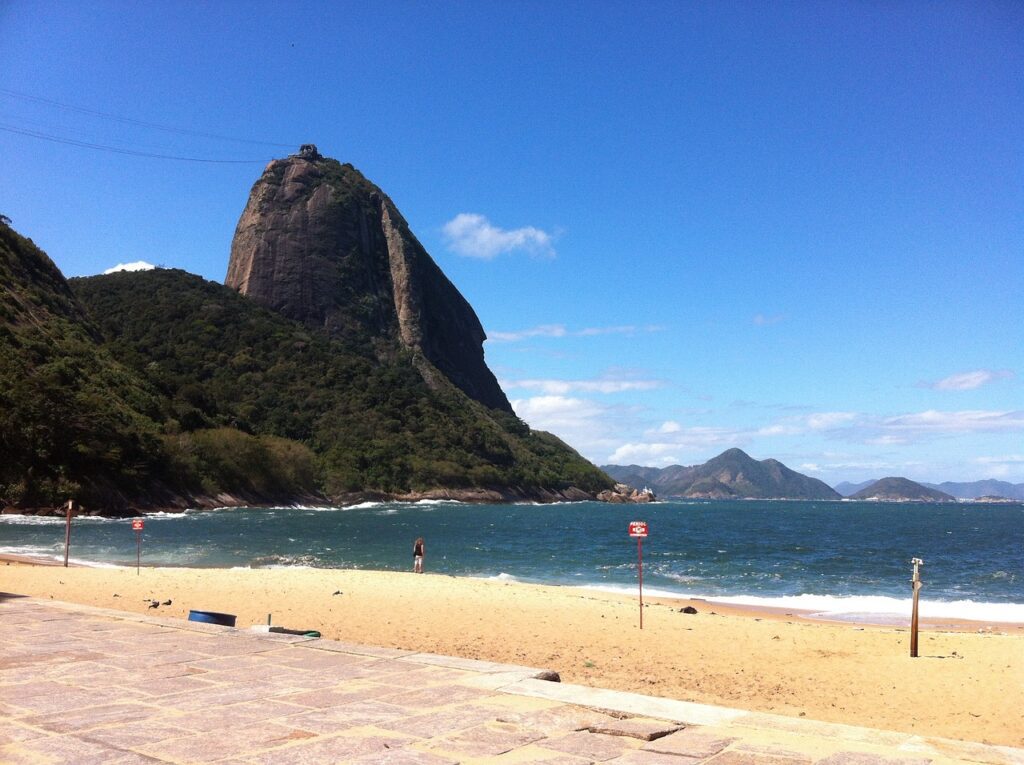
- Praia Vermelha, at the base of Sugarloaf, features red-tinted sands and calm conditions that are good for bodyboarding when green flags fly.
- Leme marks Copacabana’s northern tip with family-friendly vibes and gentler waves.
Leblon Beach, located next to Ipanema, is known for its upscale vibe and is a popular spot for sunbathing and socializing among locals and tourists alike.
Beach safety tips
- Bring only essentials—phone in a waterproof pouch, minimal cash
- Apply SPF 50+ and reapply hourly between 11 a.m. and 3 p.m. whether the UV index hits 10-12
- Watch the flag system: green means safe, yellow signals caution, red prohibits swimming due to rip currents
- Avoid beaches after dark when petty crime increases
Hiking and adventure in Rio’s urban rainforest
Tijuca National Park, covering nearly 8,300 acres, is a rainforest within Rio and features several hiking trails, including highlights such as the Taunay Waterfall and the Vista Chinesa lookout point. It’s one of the world’s largest urban forests—replanted by hand in the late 19th century after coffee plantation deforestation—and hiking here reveals a wilder side of the city for those interested in guided Tijuca Forest rainforest tours.
Morro Dois Irmãos hike
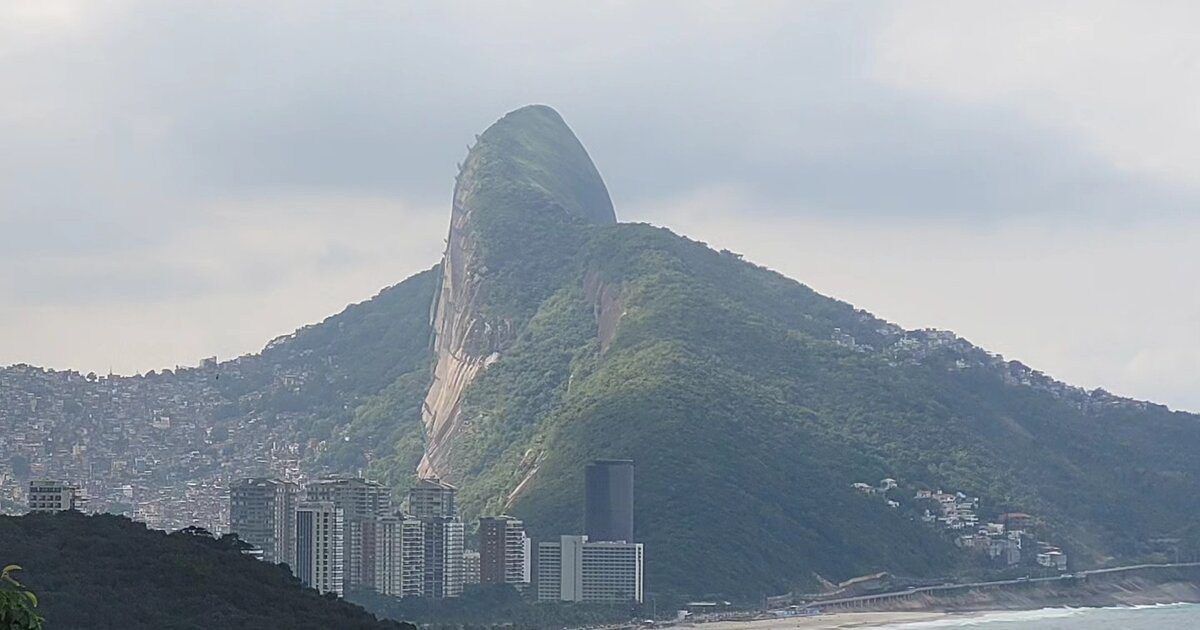
Morro Dois Irmãos, also known as the Two Brothers Mountain, offers a popular hiking trail that takes about 45 minutes to reach the summit and provides breathtaking views of Ipanema and Leblon beaches. The trail starts with a R$20 mototaxi ride through the Vidigal favela—this route through narrow streets is mandatory to find the trailhead safely.
From the 539-meter summit, you get 270-degree panoramas stretching across Lagoa, Rocinha (Rio’s largest favela), and the coastline. Go at sunrise with a licensed guide (R$200-300 per group, ~$36-54 USD) to beat the 35°C midday heat. The trail is moderate with some ropes and scrambles.
Pedra da Gávea
The hike to Pedra da Gávea is considered the most difficult in Rio, involving climbing and requiring a reasonable level of fitness. Still, it rewards hikers with spectacular views of the city. At 844 meters, it’s Rio’s highest seaside peak, demanding 3-5 hours round-trip with class 3 scrambling over quartzite.
A certified guide (R$250-400 per person, ~$45-72 USD) is essential—rockfall and rain-slick surfaces have caused fatalities. Wear proper trail runners, carry 2 liters of water, and avoid rainy days entirely. The payoff is worth it: unobstructed views spanning the entire coastline.
Pedra Bonita
Pedra Bonita offers an easier alternative at 360 meters, taking about 40 minutes one-way along a 20% grade through ferns,s where you might spot toucans. The summit reveals São Conrado Beach and Pedra da Gávea itself, making it suitable for reasonably fit beginners and families with older kids.
The hike to Pedra do Telégrafo is known for its stunning views and is considered moderately challenging, taking about 30-40 minutes to reach the top—another option for those seeking accessible trails with dramatic photo opportunities.
Hang gliding from Pedra Bonita.
Hang gliding from Pedra Bonita mountain offers an adrenaline rush and stunning aerial views of Rio, making it a popular outdoor activity for adventure seekers. The exciting ride launches from Pedra Bonita’s ramp, soaring 10-15 minutes over São Conrado before landing on the beach to applause from onlookers.
Tandem flights cost R$500-600 (~$90-108 USD) with reputable operators like Just Fly. Weight limits typically cap at around 80-100 kg. Book ahead during peak season.
General hiking prep
- Start by 6 a.m. to avoid 30°C+ heat and humidity
- Bring 1-2 liters of water per person
- Apply DEET repellent for mosquitoes (dengue is present in Rio)
- Never hike solo at dawn or dusk without a guide
Cultural and historical experiences
Rio’s fun isn’t only found in sunshine. Museums, libraries, and historic streets offer memorable days that balance beach time with cultural depth.
Walk Escadaria Selarón
The Selaron Steps, known as Escadaria Selarón, are a colorful staircase created by Chilean artist Jorge Selarón, featuring over 2,000 tiles from more than 60 countries, and are a popular photo spot in Rio. The 215 steps in Lapa’s bohemian grid blaze with color—tiles donated by visitors from around the world between 1990 and the early 2000s.
Go before 8:00 a.m. to enjoy and photograph the steps before midday crowds (often 1,000+ selfie-seekers) pack the narrow streets. The tiles get slippery when wet, so watch your footing after rain.

Royal Portuguese Reading Room
The Royal Portuguese Reading Room is considered one of the most beautiful libraries in the world, known for its neo-Manueline architecture and extensive collection of Portuguese literature. The Royal Portuguese Cabinet of Reading in Rio de Janeiro, built in 1837, houses 350,000 volumes in gilded wood stacks that evoke 19th-century Portugal.
The space is open weekdays 9 a.m.-5 p.m. (Saturdays have limited hours) with free entry, though capacity is capped. Lines form 30 minutes before opening—arrive early for 20 minutes of self-guided awe among azulejo tiles and floor-to-ceiling books.
Museu do Amanhã
The Museum of Tomorrow is an ultra-modern science museum located in the revitalized port area of Rio de Janeiro. Santiago Calatrava’s 2015 futuristic structure on Praça Mauá immerses visitors in interactive climate exhibits featuring touchscreens and VR futures.
Combine your visit with a 2-kilometer stroll along Olympic Boulevard to see Kobra’s “Etnias” mural—a 35m x 70m artwork featuring 32 rainbow-skinned figures symbolizing human ancestry. Entry costs R$40 (~$7 USD); plan for 2 hours.
Jardim Botânico and Parque Lage
The botanical garden (Jardim Botânico), founded in 1822, spans 137 hectares with 8,000 plant species. Walk the 40-meter imperial palms avenue and explore the orchid house containing 1,200 species.
Adjacent Parque Lage offers free entry to its 19th-century mansion courtyard, which frames Christ the Redeemer through the forest—a must-visit for photographers. The courtyard café serves excellent pão de queijo amid jungle trails.
Centro and Lapa walking tours
A half-day free walking tour or paid guided tour (R$50-100) through downtown Rio covers:
- Theatro Municipal (1909 opulent opera house)
- Candelária Church (1775 baroque architecture)
- Metropolitan Cathedral (1976 concrete cone holding 20,000 worshippers)
- Arcos da Lapa (1750 aqueduct turned party landmark)
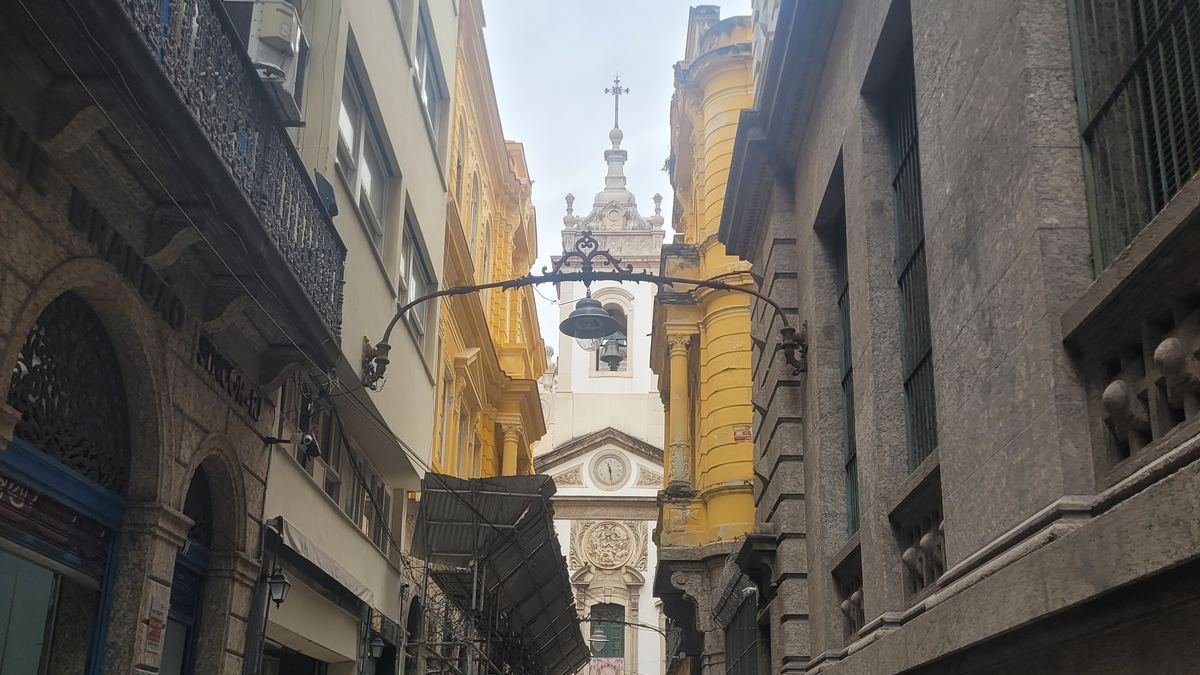
Walking tours in neighborhoods like Santa Teresa and Lapa are recommended for visitors to learn about the history, architecture, and culture of these vibrant areas in Rio de Janeiro. Bring cash to tip guides and keep valuables in a neck pouch—these areas are prone to pickpocketing.
The Carnaval Experience tour allows visitors to see how Carnival floats and costumes are made, providing a behind-the-scenes look at this iconic celebration for those visiting outside of February.
Nightlife, samba, and live football
Rio is as fun at night as it is by day. Samba circles spill onto cobblestones, street parties pack Lapa’s arches, and 78,000 fans shake Maracanã Stadium with chants and drums.
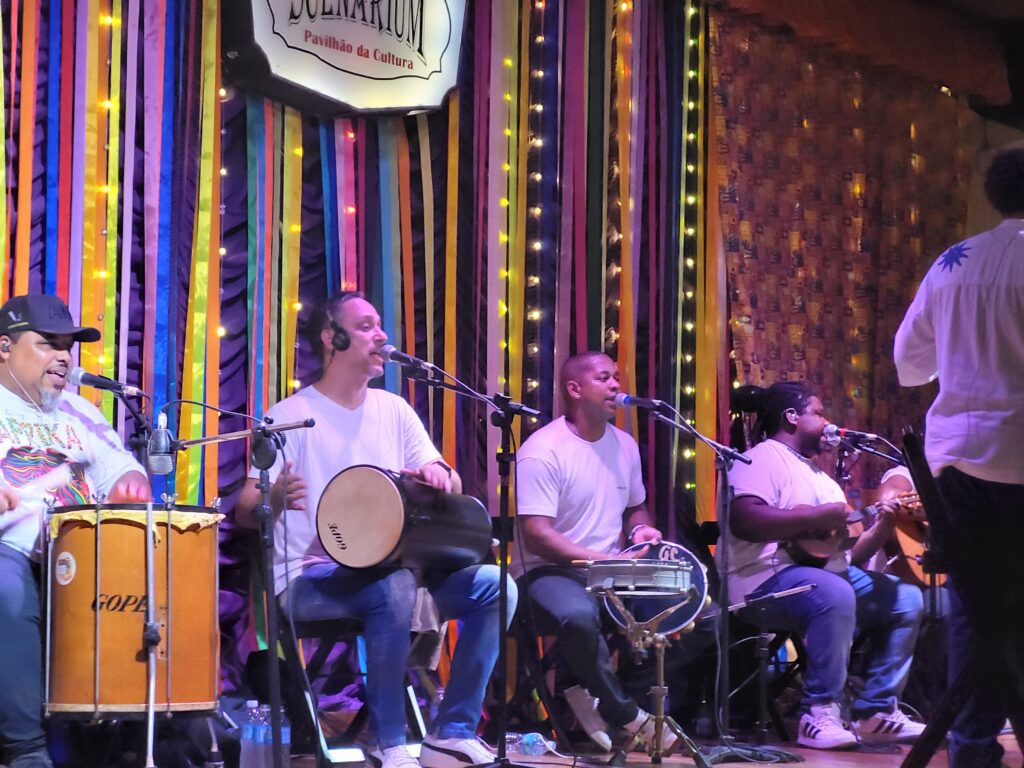
Pedra do Sal on Monday nights.
Pedra do Sal is known as the birthplace of samba and hosts vibrant street parties on Monday nights, where locals and tourists gather to enjoy live music and dance. This historic site in the Little Africa neighborhood of Cais do Portodatess dates back to the 1830s, when communities of enslaved people’s descendants settled there, and a detailed Pedra do Sal Rio de Janeiro guide deepens the story behind the music.
Free outdoor samba circles start around 8 p.m., swelling to 500+ people dancing under the stars with R$10 caipirinhas from street vendors. Samba circles, known as ‘roda de samba’, are popular for experiencing authentic samba music and dance in Rio. Go with friends on tour, arrive before 9:00 p.m. for better positioning, and keep bags secured to prevent theft.
Pedra do Sal is a historic site in Rio where samba originated, hosting lively street parties on Monday and Friday nights, attracting both locals and tourists.
Lapa’s bar and club scene
Rio de Janeiro’s nightlife is vibrant and diverse, with Lapa as a central hub known for its samba clubs, bars, and street parties that continue until dawn. Friday and Saturday nights transform the area under Arcos da Lapa into a sea of 20,000+ revelers.
Venues like Rio Scenarium feature live choro and samba music (R$50 cover after 10 p.m.), while street botecos grill meat skewers and pour cold beer. Bar crawls typically run from 10 p.m. to 4 a.m.—pace yourself with water between drinks.
Take a samba class
Samba is an Afro-Brazilian dance integral to Brazilian culture, and taking a samba class can offer a fun, immersive experience for visitors looking to connect with this aspect of local heritage. Beginner classes near Lapa or Ipanema run 1-2 hours (R$80-120, ~$14-22 USD), teaching ginga basics in sweaty, inclusive studios.
Even those with “two left feet” find the atmosphere welcoming. A class before hitting the clubs gives you confidence—and earns respect from locals watching people dancing with actual rhythm.
Maracanã football match
The 1950 World Cup venue (renovated 2014, capacity 78,838) delivers electric energy during evening and weekend matches. Watching Flamengo—with 40 million fans nationwide—means experiencing drums, flares, and 78,000 voices chanting “Mengo!” in unison, rivaling the sheer sensory overload of wildlife and nature tours around Rio.
Guided tour packages (R$100-500, ~$18-90 USD) handle tickets and transportation online, simplifying logistics. Flamengo-Fluminense derbies generate the most intense atmosphere, but any match showcases Brazilian football passion.
Sunset sailing on Guanabara Bay
For calmer evening options, 2-3 hour catamaran or sailboat cruises on Guanabara Bay depart around 5-7 p.m., gliding past Sugarloaf’s forts as the sun drops. Prices run R$150-250 (~$27-45 USD) for group sails with drinks included—perfect for visitors wanting stunning views without club energy.
Night safety tips
- Stay in groups and stick to busy areas
- Avoid flash jewelry and keep phones discreet
- Use Uber over walking streets after midnight (assaults rise 40% nocturnally)
- Consider guided favela tours for areas like Rocinha if you want to explore safely.

Food, drink, and local flavors
Food and drink form an essential part of Rio’s fun—perfect for refueling between beaches and hikes.
Açaí and street snacks
Street food in Rio includes popular snacks like açaí bowls, tapioca pancakes, and pastels, which are widely available at local markets and food stalls. Thick açaí bowls (frozen palm puree, 500g for R$15-25) topped with granola and paçoca appear at beach kiosks throughout Zona Sul, and a dedicated guide to the best açaí bowls in Rio de Janeiro can help you find local favorites.
Brazilian cuisine features hearty dishes such as feijoada, moqueca, acarajé, pastels, pão de queijo, coxinha, and picanha, which can be found at various local eateries throughout Rio. Quick lanchonete snacks cost R$5-10 each—perfect for fueling up between activities.
Traditional Brazilian dishes
Traditional foods shine in neighborhood botecos and classic restaurants:
- Feijoada (black bean stew with pork): Best on Saturdays, expect R$60 per person at traditional spots, and consider following a guide to the best feijoada in Rio de Janeiro to experience it like a local
- Moqueca: Fish coconut stew with dendê oil
- Picanha: Sirloin grilled over open flame
Try these in neighborhoods like Santa Teresa or Botafogo for authentic preparations.
Cachaça and caipirinhas
Cachaça, a local spirit made from fermented sugarcane juice, is best enjoyed in Brazil’s national cocktail, the Caipirinha, and can be sampled at various bars across Rio, especially if you dive into Rio de Janeiro’s best nightlife secrets. Brazil produces 1.5 billion liters of cachaça yearly—the spirit runs 38-48% ABV.
Beyond classic lime caipirinhas (R$15), try passionfruit or strawberry versions. Casa da Cachaça in Lapa offers tastings of 20+ varieties for dedicated enthusiasts.
Cafés with views
The café at Forte de Copacabana (Copacabana Fort) offers breakfast with historic cannons and ocean views for around R$50—absolutely worth the entrance fee for the setting. The courtyard café at Parque Lage frames Christ the Redeemer through jungle greenery.
Food tours
Half-day guided food tours (R$200, ~$36 USD) through markets and bars in the South Zone or central neighborhoods pack 20+ tastes into one afternoon: guaraná juice, tambaqui fish, regional fruits, and lesser-known dishes.
Feira de São Cristóvão is a large indoor market showcasing food, drink, and culture from Brazil’s Northeast region—worth a visit for those wanting a deeper immersion into Brazilian regional cuisine.

Day trips and neighborhood wandering
Some of the best fun in Rio comes from exploring beyond the postcard spots. Relaxed day trips and unhurried neighborhood walks reveal different neighborhoods and local rhythms.
Santa Teresa neighborhood
The Santa Teresa neighborhood features cobbled, narrow streets lined with colonial houses, murals, and small galleries. The famous Santa Teresa tram—a yellow bondinho—offers a train ride from Centro over the Lapa Arches, taking about 20 minutes (R$20).
Stop at Parque das Ruínas for free 360-degree viewpoints and weekend live music. The Escola de Artes Visuais occupies the ruins of the adjacent mansion, adding a visual arts context to the panoramic views. The area rewards slow wandering with street art surprises around every corner.
Niterói
Cross Guanabara Bay by 15-minute ferry (R$10) to visit Oscar Niemeyer’s Museum of Contemporary Art (MAC)—a 1996 flying saucer structure with a R$10 entrance fee and dramatic bay panoramas. The Centro Cultural Banco do Brasil branch here adds another cultural stop.
Parque da Cidade offers hilltop views looking back at Rio’s skyline from unusual angles. It’s a half-day trip that provides a fresh perspective on the city.
Paquetá Island
A 20-minute ferry from Praça XV (R$20 round-trip) delivers you to this 1.5 km² car-free island. Rent bikes for R$15 per hour or paddle boats for quiet picnics amid colonial architecture. It’s the quietest escape from Rio’s hustle—just a few minutes across the water.
Little Africa walking tour
The Little Africa neighborhood in Rio offers insights into the African diaspora’s influence on Brazilian culture, including sites such as Pedra do Sal, where early samba gatherings took place. Two-hour guided tours (R$50) connect Pedra do Sal, Praça Mauá, and surrounding historic sites with stops for street food and live music when timing allows.
Guided tours in Rio de Janeiro often include visits to favelas, which offer insights into local culture and community life, allowing tourists to experience a side of the city often overlooked. Favela tours, such as those in Rocinha, are popular among tourists and are typically conducted by local guides who provide a safe and informative experience about the community’s history and culture.
Sample 3-5 day itinerary
- Day 1: Beaches (Copacabana or Ipanema) + sunset at Arpoador Rock
- Day 2: Christ the Redeemer (iconic statue and one of the New Seven Wonders of the World, standing 30 meters high as the largest Art Deco-style sculpture in the world) + Santa Teresa wandering
- Day 3: Sugar Loaf cable car sunset + Lapa nightlife
- Day 4: Morro Dois Irmãos hike (optional: Ilha Grande for overnight beach escape)
- Day 5: Niterói or Paquetá day trip
This balances energy with roughly 10,000 daily steps while mixing icons with local experiences.
Practical tips for enjoying Rio safely
A bit of planning keeps all these fun activities stress-free, especially for solo travelers or first-time visitors to Rio de Janeiro, Brazil.
Best times to visit Rio
- December to March: Hot beach weather, major events (New Year on Copacabana draws 2-3 million people), and Carnaval in Rio is a world-renowned festival that transforms the city into a massive celebration
- April to June and September to November: Milder temperatures (22-27°C), 20% fewer crowds, shorter lines at attractions
Getting around
Use official taxis, ride-hailing apps (Uber works well), and the metro in Zona Sur and the city center. Early mornings work best for hikes and viewpoints—daylight enhances both safety and photography.
What to bring for a fun day
- Small cross-body bag (RFID blocking)
- Photocopy of passport (leave original secured)
- Card plus R$200 cash
- SPF 50+ sunscreen and hat
- Refillable water bottle
Basic safety habits
- Keep phones and cameras discreet in crowded places
- Avoid deserted beaches at night
- Stick to busy areas, especially after dark
- Consider guided tours for favelas, late-night samba, and remote hikes
- Comment save locations on your phone maps before heading out
Rio rewards visitors who mix famous landmarks with local experiences. Watch sunrise paint Guanabara Bay gold, stumble into a Monday night samba circle, grab açaí from a beach vendor, and let the natural beauty of the city pull you into its rhythm. The best fun activities to do in Rio de Janeiro aren’t just the postcard moments—they’re the spaces between, where the city’s energy becomes your own.
Whether you’re planning your first trip or returning to discover something new, Rio has a way of making every visit feel alive. Start with a few anchor experiences and let the city fill in the rest.