
May 6, 2026

Birthplace of Bossa Nova: Rio de Janeiro’s New Wave
Key Takeaways
- Bossa nova was born in Rio de Janeiro’s South Zone, namely Copacabana, Ipanema, and Leblon, between 1956 and 1958, through informal apartment sessions and small club performances.
- João Gilberto’s 1958 recording of “Chega de Saudade” (music byAntônioo Carlos Jobim, lyrics by Vinicius de Moraes) defined the new style and established bossa nova as a distinct genre.
- Beco das Garrafas in Copacabana served as a symbolic cradle where young musicians refined the bossa nova beat in intimate venues like Little Club and Ma Griffe.
- The genre fused samba rhythms with jazz harmonies and soft, whisper-like vocals, reflecting Rio’s optimistic middle-class culture during Brazil’s period of modernization.
- The sound spread worldwide through collaborations with American artists like Stan Getz, with “The Girl from Ipanema” becoming one of the most-recorded songs in history, second only to the Beatles’ “Yesterday.”
Introduction: Where Was Bossa Nova Really Born?
Bossa nova originated in the South Zone of Rio de Janeiro, Brazil, during the late 1950s. The neighborhoods of Copacabana, Ipanema, and Leblon formed the creative ecosystem where this Brazilian music emerged—not from a single venue, but from a network of apartments, beaches, and small bars scattered across the Zona Sul.
There is no single “official” birthplace of bossa nova. The style crystallized through informal gatherings where young musicians experimented with samba and jazz records in living rooms overlooking the Atlantic. Key figures include João Gilberto, Antônioo Carlos Jobim, and Vinícius de Moraes, who shaped the sound in places like Beco das Garrafas and the cafés near Ipanema’s beaches.
The term “bossa nova” translates to “new trend” or “new wave” in Portuguese, and its first public use is attributed to a concert in 1957 by the Grupo Universitário Hebraico do Brasil. This article traces the city, people, and records that gave rise to this influential Brazilian sound.
Rio de Janeiro in the 1950s: The Perfect Setting
Under President Juscelino Kubitschek’s administration from 1956 to 1961, Rio embodied rapid modernization. The “50 years in 5” development slogan drove infrastructure projects, including the construction of Brasília, which began in 1956. Bossa nova emerged during this period of national pride and optimism in Brazil, reflecting a drive for modernization and a desire for new cultural expressions.
Copacabana, Ipanema, and Leblon evolved into affluent middle-class enclaves with:
- High-rise apartments overlooking the beach
- Beachfront cafés along Avenida Atlântica
- Small bars frequented by university students and artists
- Record shops stocking American jazz albums
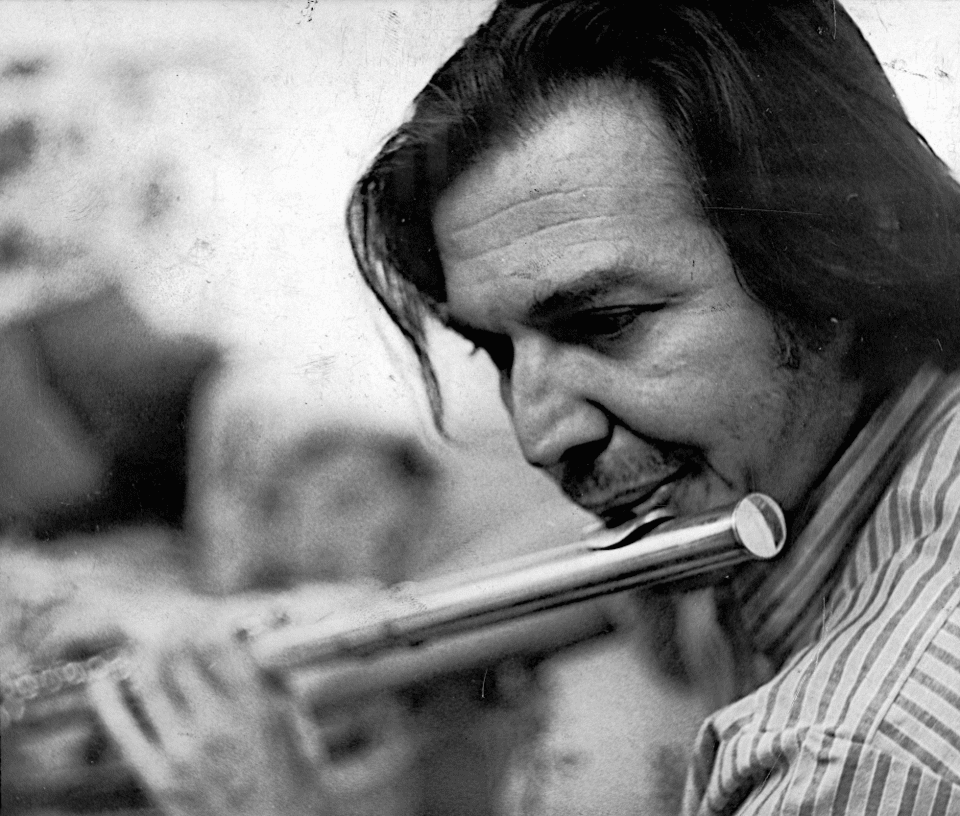
This youth culture—university students, architects, and musicians listening to Chet Baker and Gerry Mulligan while rooted in samba—strongly shaped bossa nova music. Musical gatherings in student apartments and intimate nightclubs played a crucial role in the development of this new sound, creating themes of sea, sun, love, and everyday city scenes that defined the genre.
The Musical Birth: From Samba to Bossa Nova
Bossa nova fused the complex syncopated rhythms of samba with the harmonic vocabulary of American jazz and European classical music. It kept samba’s rhythmic feel but softened the tempo from the driving 100-120 BPM to a languid 60-80 BPM, creating mellow tempos that defined the style.
The foundational bossa nova guitar rhythm was developed by João Gilberto in Juazeiro, Bahia. His innovative guitar playing mimicked samba school instruments—the surdo bass drum and tamborim—through subtle, off-beat thumb and finger patterns on nylon-string guitar. João Gilberto’s guitar technique revolutionized how the music would be performed.
João Gilberto’s 1959 album “Chega de Saudade” is regarded as the landmark recording that established bossa nova as a distinct musical style, featuring innovative guitar techniques and vocal styles. The title track, recorded on November 21, 1958, with music by Tom Jobim and lyrics by Vinicius de Moraes, is widely recognized as the stylistic birth of the genre.
Bossa nova replaced the dramatic, “brassy” singing styles of the past with a restrained, whisper-like vocal delivery. The introduction of high-quality microphones allowed for this new whispering vocal style in performances. Early bossa nova focused on personal and optimistic themes rather than public and political issues or personal suffering, marking a distinct break from traditional samba’s more anguished expressions.
Apartment Sessions and Beach Culture in Copacabana, Ipanema, and Leblon
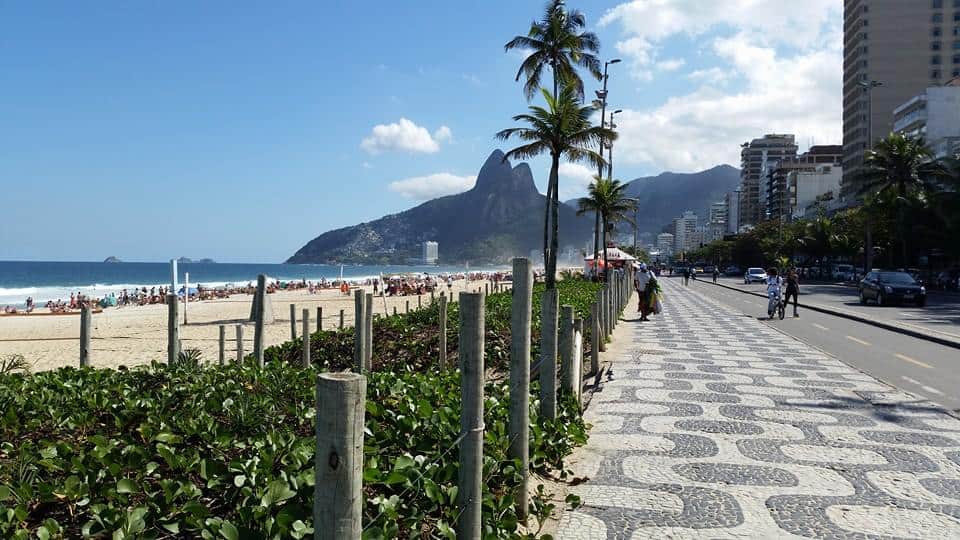
Much of bossa nova in Rio’s early life happened not on big stages, but in small apartments and beachside gatherings. These informal sessions in Copacabana apartments during the mid to late 1950s provided experimental space where musicians could try different roots and approaches.
Ipanema’s streets, like Rua Vinícius de Moraes (then Rua Montenegro), became a daily inspiration for songs and lyrics. Musicians drew from:
- Afternoon beach gatherings on the sand
- Evening drinks at small bars
- Views of passing pedestrians and coastal scenes
- The relaxed atmosphere of modern beats flowing through open windows
Leblon served as a quieter, residential corner where writers, students, and artists mixed in living rooms, sharing new chords and poetic texts. Nearby, Ipanema’s cultural treasures and must-see attractions further illustrate how this stretch of Rio’s coastline inspired songs, imagery, and lifestyles. This beach culture fed themes of love, nature, and urban leisure into popular music, creating the soul of bossa nova’s intimate sound.
Beco das Garrafas: The Alley of Bottles and the “Cradle” of the Scene
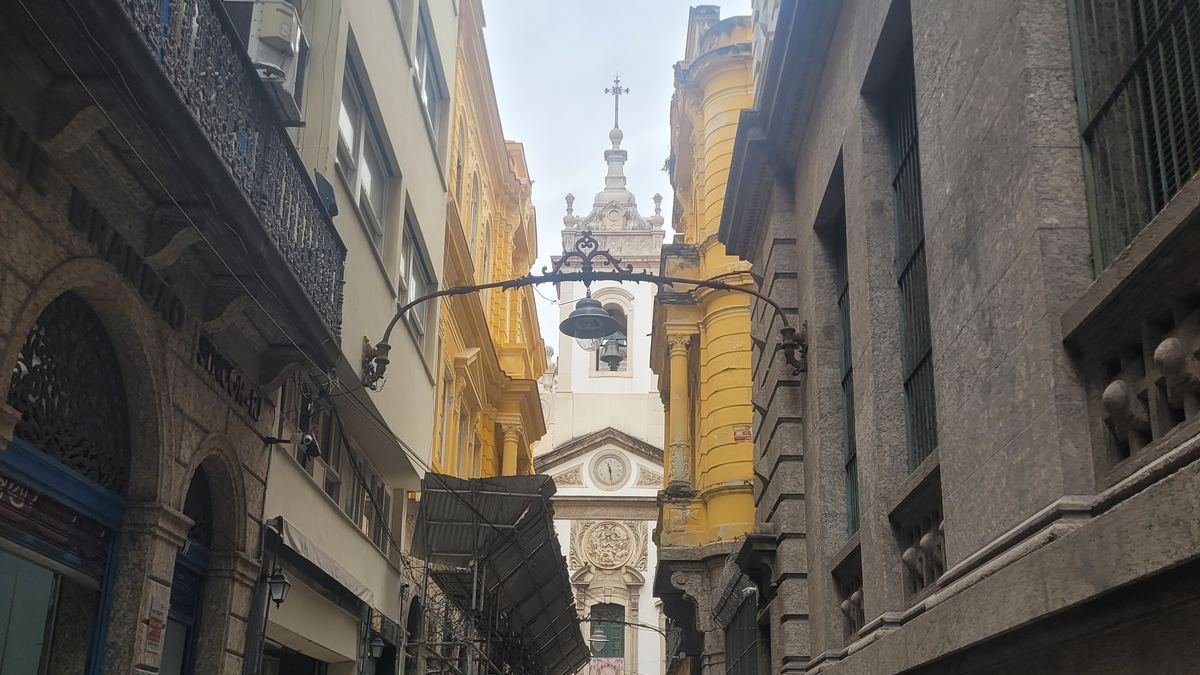
Beco das Garrafas, a narrow dead-end alley off Rua Duvivier in Copacabana, sits just one block from Avenida Atlântica and Copacabana Beach and neighborhood. Beco das Garrafas, known as “Bottle Alley,” in Copacabana, ana is considered the birthplace of bossa nova, where many legendary musicians performed in the late 1950s and early 1960s.
The nickname “Bottles Alley” comes from legends that irate neighbors banged empty bottles against railings to protest the all-night music—some accounts say they would throw bottles in frustration. Das Garrafas became synonymous with the new wave of Brazilian culture.
Small venues packed the alley, echoing the intimate, late-night energy that still defines many of Rio de Janeiro’s best bars and nightlife spots
Key Pioneers Who Defined the Birthplace
The “birthplace” is inseparable from the musicians who shaped the sound in Rio. These artists lived, worked, and met in specific neighborhoods, turning them into the living cradle of bossa nova.
João Gilberto (1931-2019) is considered one of the most successful bossa nova musicians, known for his innovative guitar-playing style. He moved to Rio around 1950 and perfected his technique in Zona Sul apartments before releasing the seminal 1959 album on Odeon. His recording of “The Girl from Ipanema” remains one of the best-known bossa nova songAntônioioo Carlos Jobim (1927-1994), a Rio native and classically trained pianist, provided the harmonic blueprint for the genre. Antônioo Carlos Jobim collaborated with João Gilberto to create many early songs that gained attention, including “Desafinado” and “Samba de Uma Nota Só.”
Vinicius de Moraes (1913-1980), a diplomat-poet born in Rio, was instrumental in the bossa nova movement, providing lyrics for many classic songs, including those composed by Antônio Carlos Jobim. His texts captured the city’s romantic and everyday scenes.
Roberto Menescal and Nara Leão were younger artists from Rio’s South Zone whose apartments and circles were hubs for the new sound. Nara Leão was a significant figure, participating in early performances and helping to popularize the genre during its formative years. Baden Powell was another prominent artist who contributed, known for guitar work that blended samba and blues influences.
The genre brought a sophisticated style of songwriting and vocal interpretation that remains a cornerstone of Brazilian identity. Just as bossa nova’s roots are tied to Rio’s South Zone, samba’s origins can be traced to historic sites like Pedra do Sal, birthplace of samba and Afro-Brazilian culture, showing how multiple neighborhoods shaped the city’s musical DNA. Local labels like Odeon and broadcasts on Rádio Nacional helped spread these recordings throughout Brazil’s music scene.
From Rio’s Birthplace to the World Stage
The music left its Rio cradle quickly in the early 1960s. As it spread abroad, Rio itself remained a living museum of the style, with countless cultural secrets and hidden-gem neighborhoods preserving its legacy in venues, murals, and community gatherings. Bossa nova became a permanent fixture in the jazz repertoire after the landmark 1962 Carnegie Hall concert and the success of the album “Jazz Samba.”
Bossa nova was heavily influenced by American jazz, particularly through the 1962 album Jazz Samba by Stan Getz and Charlie Byrd, which sold over 500,000 copies. This early foreign export introduced the style to jazz audiences worldwide.
“The Girl from Ipanema,” composed byAntônioo Carlos Jobim and Vinícius de Moraes at Bar Veloso in Ipanema, became a worldwide hit. The song won a Grammy Award and has been recorded by numerous artists in both English and Portuguese—becoming one of the most-recorded songs in history, second only to the Beatles’ “Yesterday.” Its title literally carries the name of the Rio neighborhood.
Bossa nova has significantly influenced international music, with American artists like Frank Sinatra and Stan Getz incorporating its elements. Even as the style evolved into Música Popular Brasileira (MPB) and other genres, Rio’s beaches and alleys remained central to its identity, especially after dark, when Rio de Janeiro’s authentic nightlife and cultural scenes bring live music to bars, clubs, and street parties. Bossa nova’s influence can be seen in contemporary artists like Billie Eilish and Laufey, who incorporate these rhythms into modern beats, demonstrating the genre’s lasting impact.
Visiting the Birthplace of Bossa Nova Today
For music lovers planning to experience these historic places, modern Rio keeps the spirit alive.
Copacabana venues:
- Walk through Rua Duvivier to see Beco das Garrafas and its intimate club scene
- Bip Bip Bar in Copacabana embodies the original atmosphere of bossa nova clubs, featuring frequent live performances and a communal vibe
- Cover charges typically rangefrom R$50 to R$1000 at featured venues
Ipanema destinations:
- Praça General Osório area near the beach
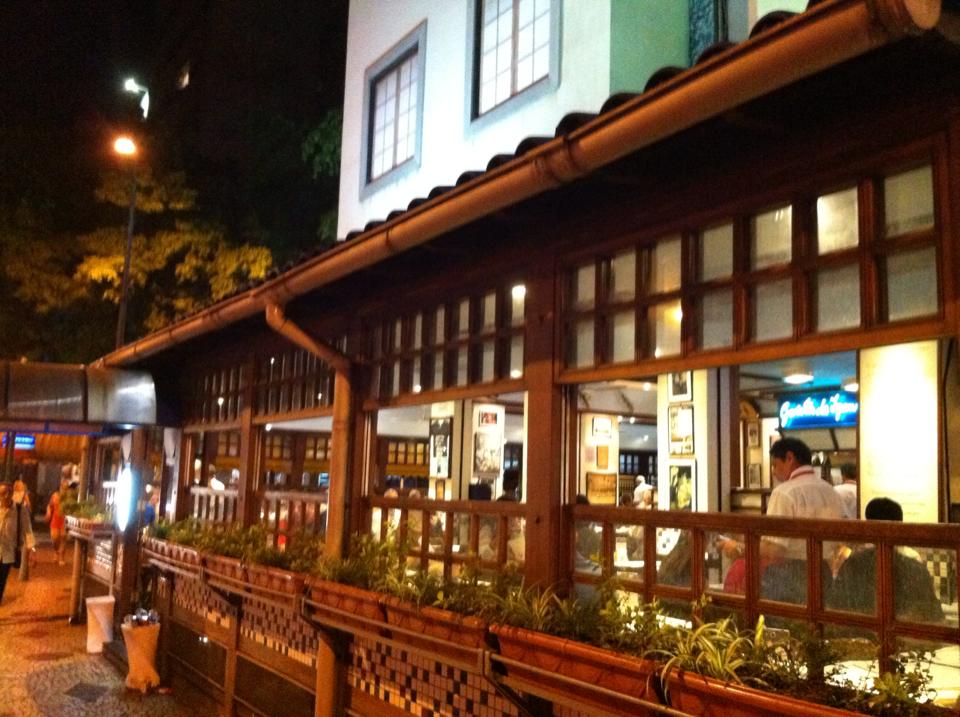
- Garota de Ipanema (formerly Bar Veloso) on Rua Prudente de Morais, linked to the creation of the famous song
- Vinícius Bar on Rua Vinícius de Moraes—a historical venue where “The Girl from Ipanema” was co-written—programs classic repertoires
The South Zone maintains cafés, record shops, and beachfront paths where the gentle sounds of bossa nova still echo. For the purest form of the listening experience, seek small seated clubs rather than large venues—this intimate atmosphere characterized the original scene and keeps Brazilian culture accessible to visitors.
Whether you love bossa nova for its history or want to experience where it all began, Rio’s Zona Sul remains the authentic birthplace. The same streets that inspired Jobim and Gilberto still host musicians who keep this celebrated-abroad tradition alive for new generations.
FAQ
Was bossa nova born in one specific bar or in multiple places?
Bossa nova did not start in a single bar. It grew from a network of Rio apartments, small clubs, and recording studios between 1956 and 1958. Beco das Garrafas became a symbolic “cradle” because it concentrated an influential venue. Still, the musical ideas predated its fame—João Gilberto’s innovations happened in private apartment sessions before any club featured the style publicly.
Why is Rio de Janeiro considered the birthplace instead of other Brazilian cities?
The core innovators—João Gilberto, Jobim, Vinicius, Menescal, and Nara Leão—were working and gathering in Rio’s South Zone when the new style took shape. Although some artists had different roots in Bahia and São Paulo, the concrete recordings and early live performances that defined bossa nova happened in Rio. The 1958 “Chega de Saudade” recording at Odeon’s Rio studios is the definitive marker.
Can you still find authentic bossa nova performances in Rio today?
Yes. Several favorite music venues in Copacabana, Ipanema, and Leblon regularly host bossa nova sets, from traditional tributes to modern reinterpretations. Look for small, seated clubs rather than stadium shows—venues like Bip Bip Bar or the clubs in Beco das Garrafas offer the intimate atmosphere that characterized the original scene. However, some commercialization exists alongside authentic programming.
What year should be considered the “birth year” of bossa nova?
Many historians point to 1958, when João Gilberto recorded “Chega de Saudade” in Rio, as the turning point that publicly defined the style. However, the experimental phase began earlier, around 1956, in private gatherings before the sound reached record stores and radio stations. Brazil’s famous carnival celebrations helped spread awareness, but the studio recordings remain the historical markers.
Is Beco das Garrafas still worth visiting after its renovation?
Despite renovations over the decades, Beco das Garrafas remains an important historical alley for understanding the early nightlife of bossa nova. Modern programming includes bossa nova, samba-jazz, and Brazilian jazz, letting visitors hear echoes of the music that once defined the spot. The country’s population continues to value this history, making it worthwhile for anyone interested in the origins of Brazilian music. Just be prepared for tourist-oriented pricing and smaller spaces than those of modern concert halls.