
Rio de Janeiro

Street Art Rio: Ultimate Guide to the Colorful Journey

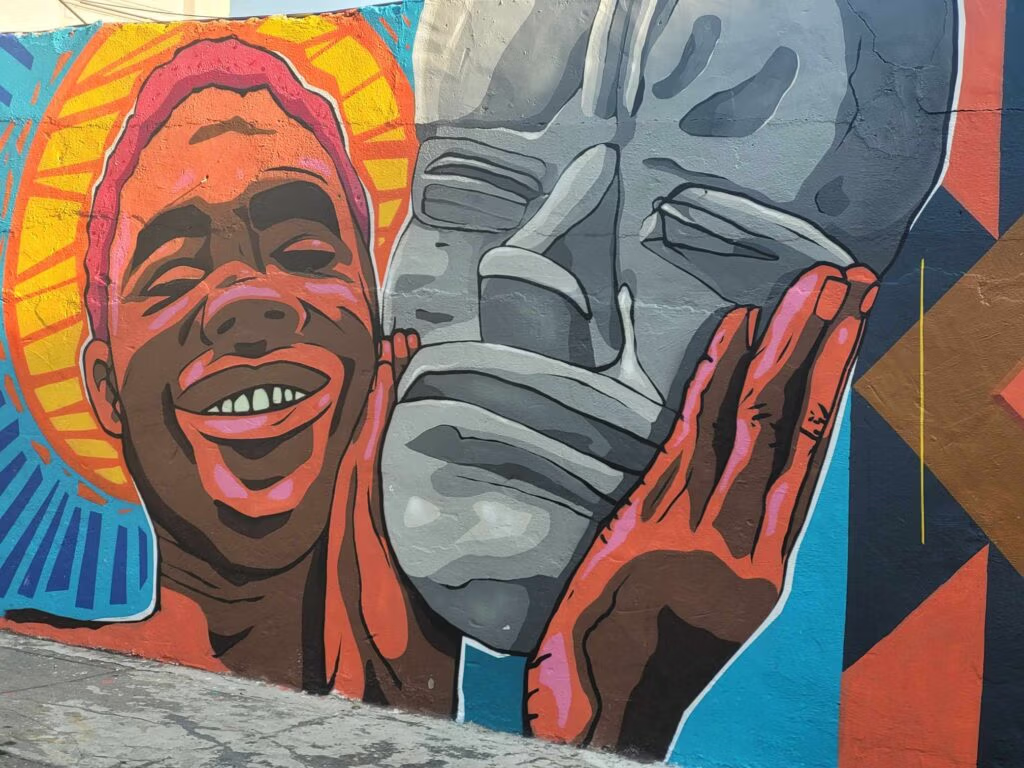
Rio de Janeiro is a city where art spills out of galleries and onto the streets, transforming walls, staircases, and alleyways into vibrant canvases that pulse with culture, identity, and resistance. Rio’s streets offer a diverse collection of street art, featuring works by various artists that span different styles and themes, creating a dynamic visual experience throughout the city. Many people love street art in Rio for its creativity and cultural significance, celebrating the unique expression it brings to urban life. Street art in Rio has evolved into a recognized art form, with government institutions financing projects and artists exhibiting their work in galleries. From the bohemian hills of Santa Teresa to the revitalized port district of Boulevard Olímpico, Rio’s street art scene reflects the soul of the city — colorful, chaotic, political, and deeply expressive. In this guide, we’ll take you through the must-see murals, hidden gems, and the stories behind the artists who’ve turned the Marvelous City into one of the world’s most iconic urban art destinations. You’re sure to have a great time exploring Rio’s street art.

History of Street Art

The history of street art traces back to the late 1960s and early 1970s in New York City, where graffiti began as a form of self-expression among marginalized youth, particularly in neighborhoods like the Bronx and Brooklyn. Artists used pseudonyms to tag subway trains and city walls, turning urban spaces into platforms for identity and rebellion. Over time, this underground movement evolved into a global cultural phenomenon, embracing styles such as stencil art, murals, paste-ups, and large-scale installations, inspiring countless destinations covered in our Rio de Janeiro travel blog. Driven by new ideas and creative experimentation, street art became a dynamic form of communication and artistic innovation.

Influenced by hip-hop, punk, and political activism, street art spread across cities like London, Berlin, São Paulo, and eventually Rio de Janeiro. In Rio, the use of spray paint and paint became central to the creation of murals and graffiti, allowing artists to work on a grand scale and experiment with different techniques. Here, street art merged with local social issues, Afro-Brazilian heritage, and tropical aesthetics to create a unique and powerful visual language. In 2009, the Brazilian government passed a law decriminalizing street art when executed with the consent of the property owner, and in 2019, a subsequent law expanded the legalization of street art to public spaces, allowing designated areas for artists to create legally. Street art courses and workshops have also become popular in Rio, helping to educate and engage new artists in the vibrant urban art community.

urban art rio - street art scene

Rio de Janeiro Street Art Scene

In Rio de Janeiro, street art has evolved in close connection with the city’s social, political, and cultural landscape. Emerging in the 1980s and gaining strength in the following decades, Rio’s urban art developed its own identity, distinct from the North American graffiti scene.

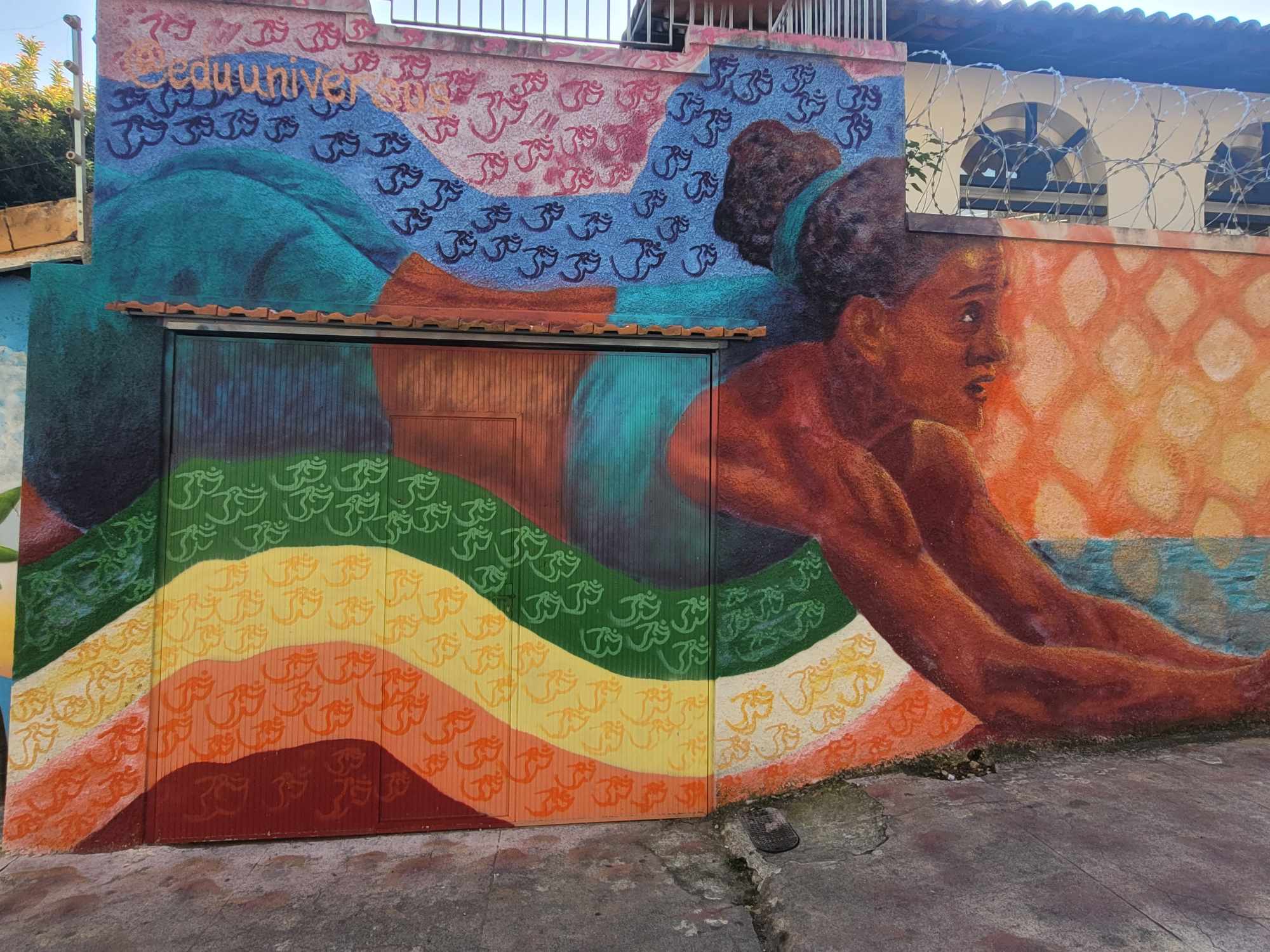
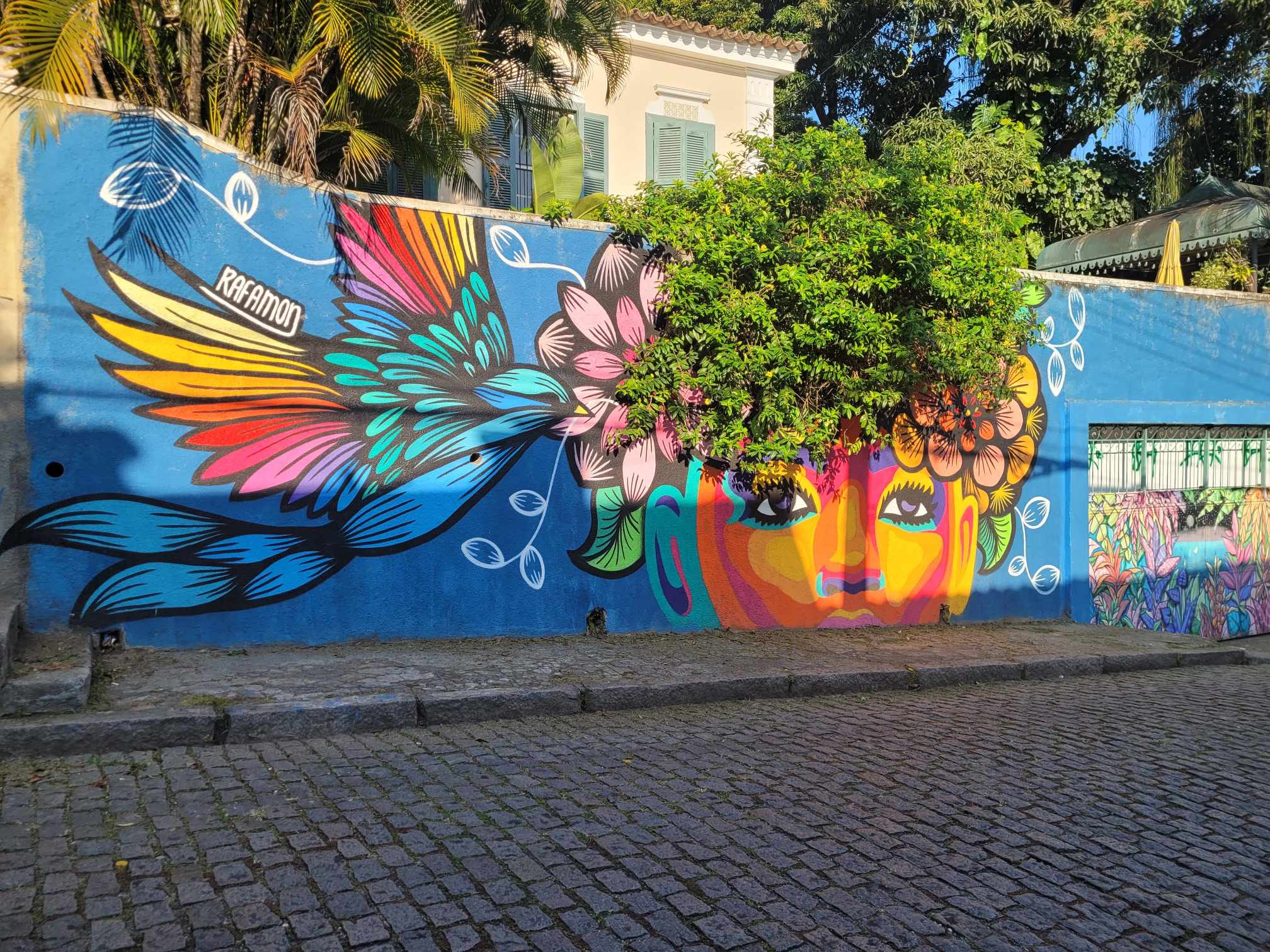
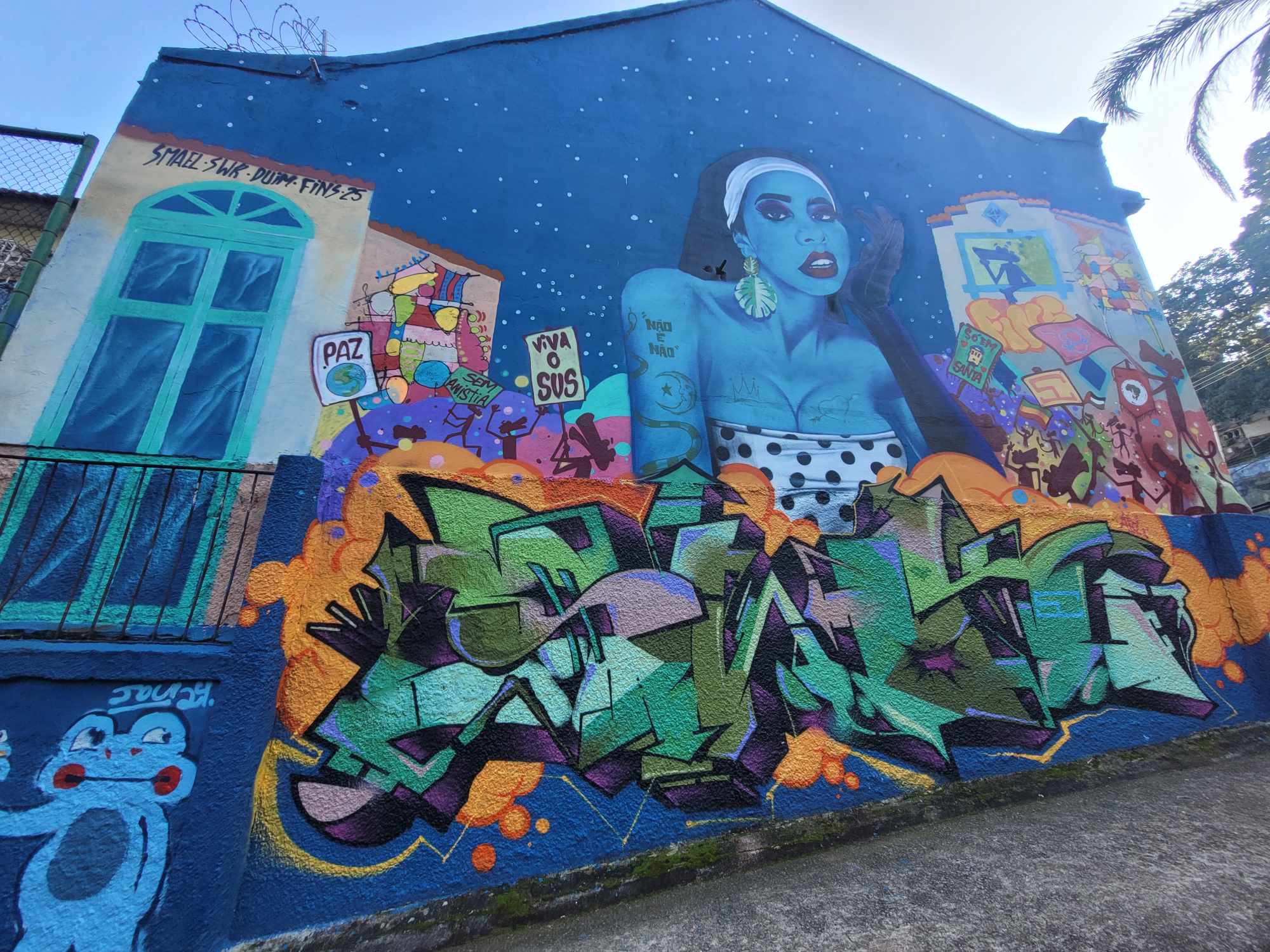
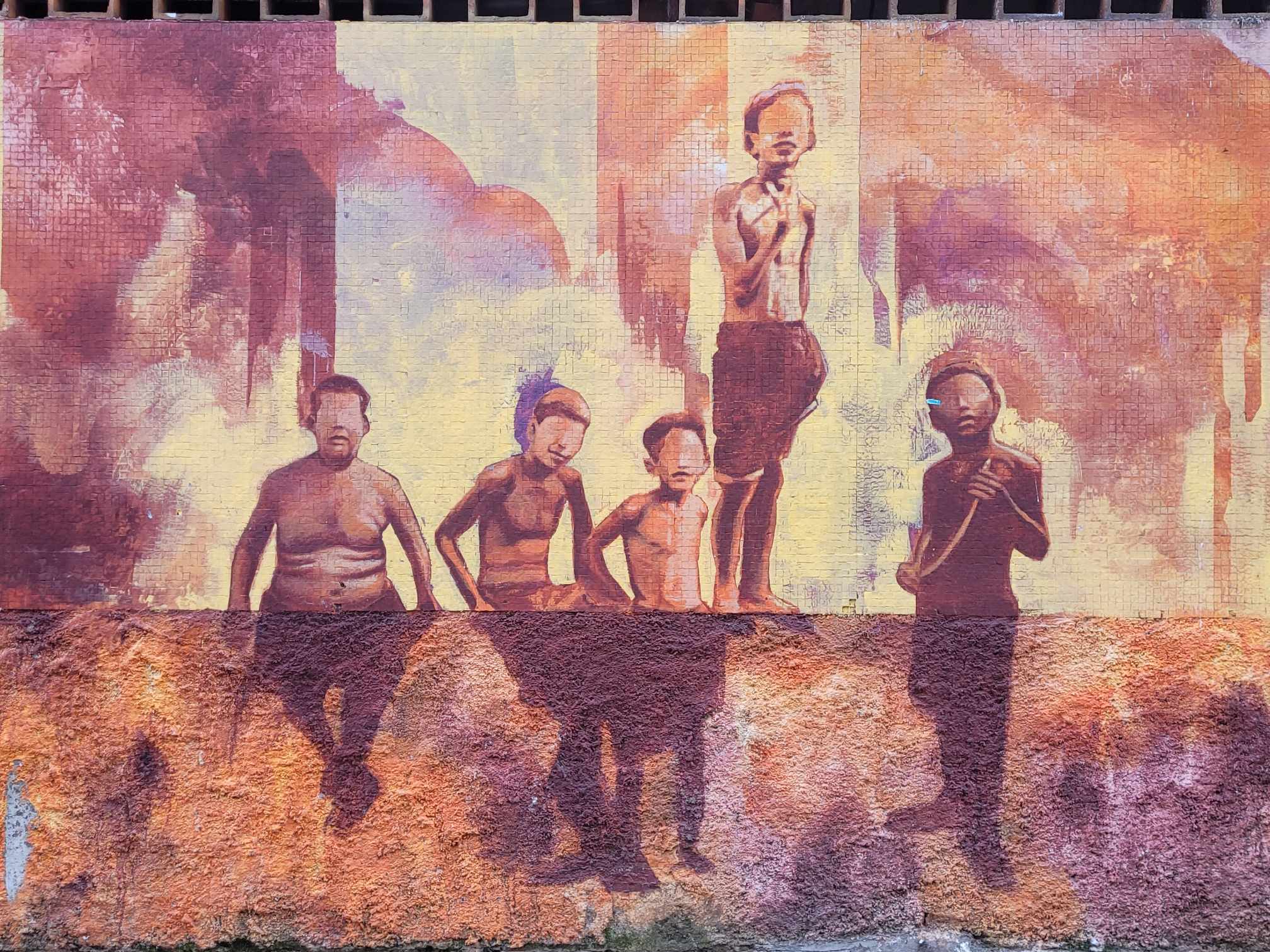
Local artists often incorporate vibrant colors, elements of nature, social commentary, and themes rooted in Afro-Brazilian and Indigenous culture. Many murals serve as social commentary, reflecting the city’s culture and political issues. Neighborhoods like Santa Teresa, Lapa, the city center, and the Port Zone have become open-air galleries, where murals bring walls to life.

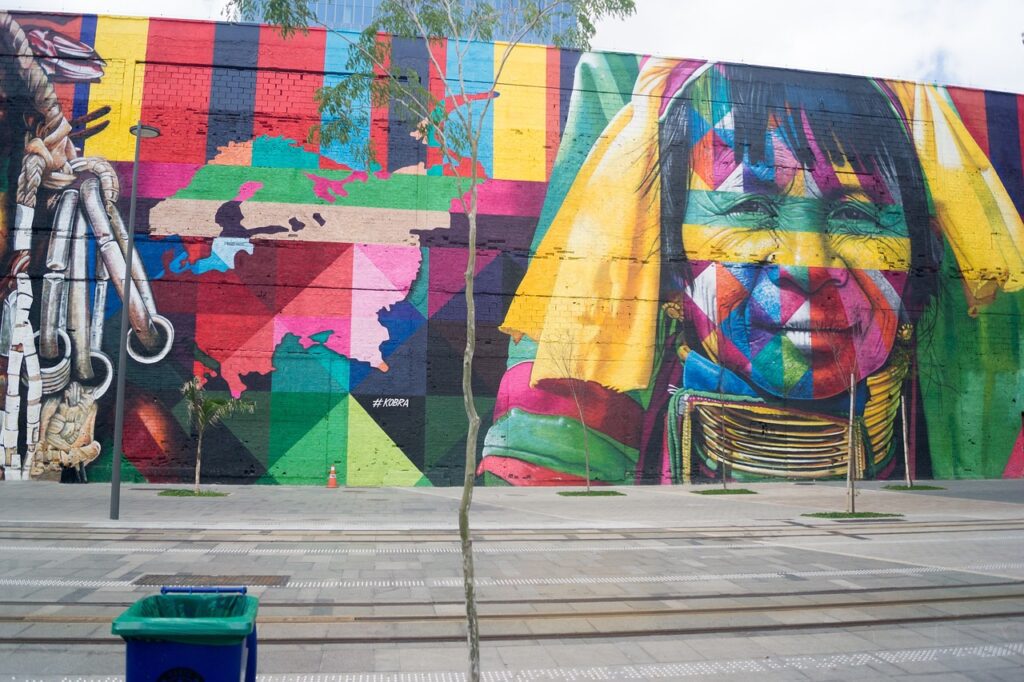
One of the most iconic examples is the “Etnias” mural by Eduardo Kobra, located along the Boulevard Olímpico. Covering over 3,000 square meters, it is recognized by the Guinness World Records as one of the largest graffiti murals in the world.

Artists such as Toz, Marcelo Eco, ACME, and Panmela Castro have left their mark across the city, helping to establish Rio as a global capital of street art. Brazil ranks among the world’s top producers of urban art, alongside the United States and Germany, and Rio has the highest number of cataloged murals in the country, according to the Urban Art Map. There is always more street art to discover in Rio, with new works appearing regularly as the city continues to encourage more street art as part of its cultural scene.

Over 50% of the city’s central neighborhoods feature street art, which is increasingly used as a tool for tourism, education, and social inclusion through initiatives like Favela Painting, Mural das Favelas, and community graffiti workshops. Street art events in Rio often include exhibitions where artists showcase their work in public spaces, further reflecting the city’s vibrant culture and ongoing political statements.

Lapa – Beco do Pantera & Beco dos Carmelitas

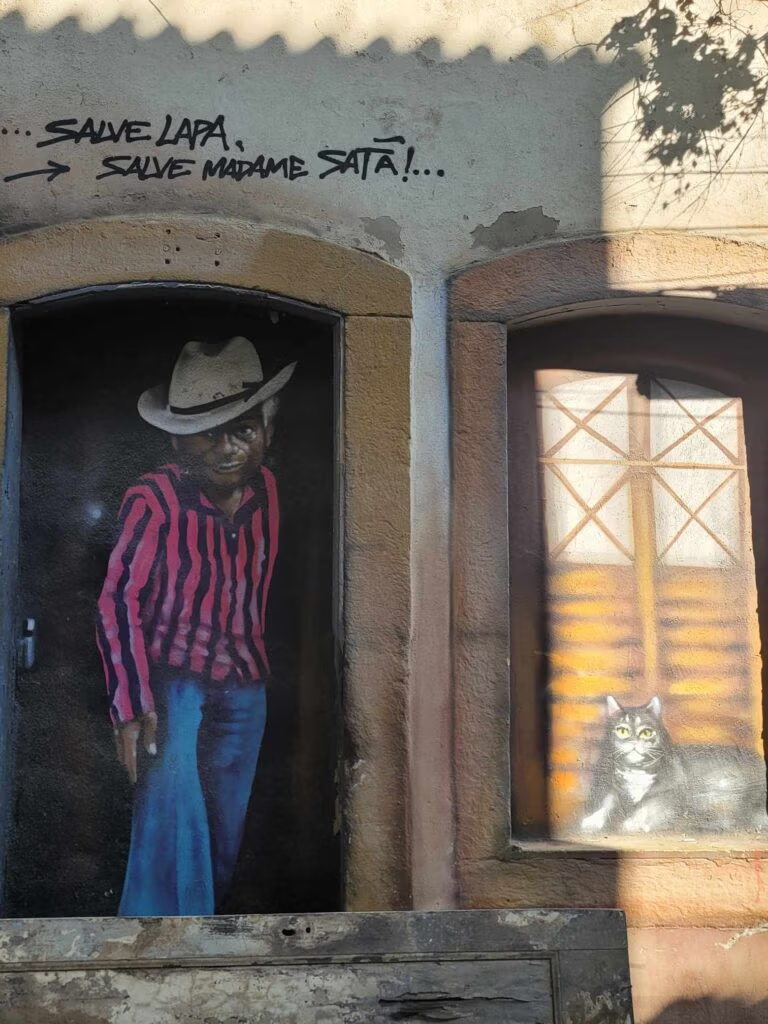
Lapa is one of Rio’s most iconic bohemian neighborhoods and a major point of interest for street art enthusiasts, where music, nightlife, and street art collide. Tucked away behind the famous arches, Beco do Pantera is a colorful tribute to Brazilian soul legend Tim Maia, filled with bold portraits and lyrics celebrating his legacy. Nearby, Beco dos Carmelitas is a narrow alleyway bursting with layers of graffiti, political messages, and playful characters. Lapa, along with Santa Teresa, Cinelândia, and the area bordering the Jardim Botânico, are among the best places to find street art in Rio. Both locations reflect the energy and raw creativity of Lapa, making them must-see stops for any street art lover.

Rio street art tour exploring colorful graffiti and urban murals in Lapa and Santa Teresa with private guide

Santa Teresa & Selarón Steps

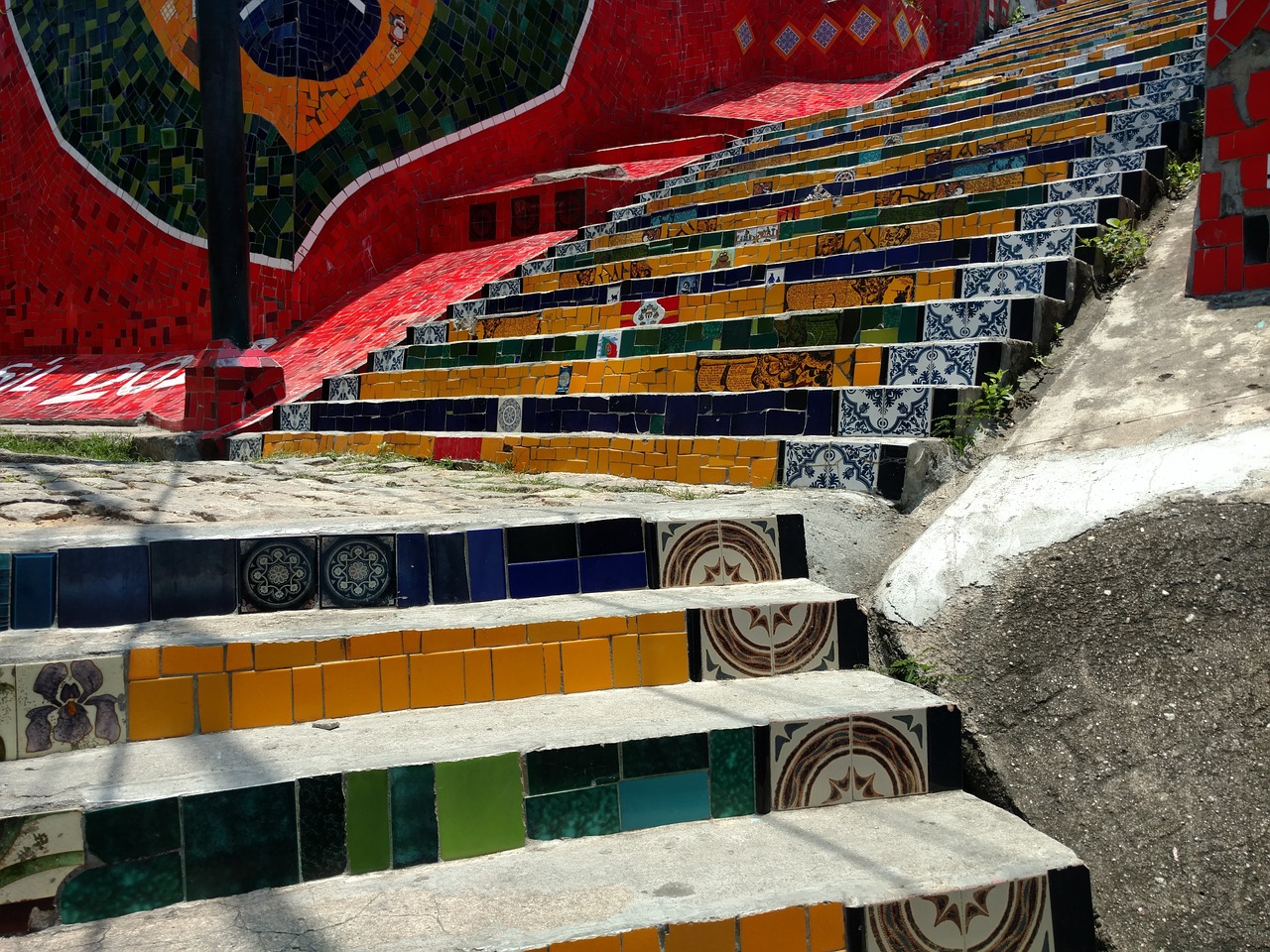
The hillside neighborhood of Santa Teresa is a living gallery of art, where colonial mansions and cobblestone streets are surrounded by murals, graffiti, and urban interventions. Home to many artists, the area blends traditional and contemporary styles with strong influences from Afro-Brazilian culture, Indigenous roots, and social activism. Just a short walk away are the famous Selarón Steps (Escadaria Selarón), a world-renowned mosaic staircase created by Chilean-born artist Jorge Selarón. Selarón spent over 20 years decorating the staircase, transforming it into a true landmark in Rio de Janeiro. He received help from friends and supporters, who contributed tiles from around the world, making the 215 colorful steps—decorated with tiles from over 60 countries—one of Rio’s most photographed landmarks and a powerful example of street art turned into a cultural symbol.

Favela Tavares Bastos – Museu NAMI & The Maze Rio

Perched on the hills above Catete, Favela Tavares Bastos offers a unique and inspiring perspective on Rio’s street art scene. The Museu NAMI, founded by acclaimed artist Panmela Castro, is an open-air art project that features over 10 large-scale murals promoting gender equality, human rights, and community empowerment. Just a few steps away lies The Maze Rio, an architectural and artistic gem built by the late Bob Nadkarni. Covered in vivid mosaics and murals, The Maze functions as both a guesthouse and a cultural center, famous for its jazz nights and sweeping views of the city, all framed by striking street art.

rio`s street art

Olympic Boulevard (Boulevard Olímpico)

Olympic Boulevard, created for the 2016 Rio Olympics, transformed the city’s port area into a vibrant cultural corridor. Here, street art reaches monumental scale, with warehouses and industrial buildings covered in murals by local and international artists. The most iconic piece is Eduardo Kobra’s “Etnias”, a 3,000-square-meter (over 32,000 square feet) mural created using spray paint. This mural features the five Olympic rings as a central visual element, symbolizing global unity, and depicts indigenous faces from five continents. Recognized by the Guinness Book of Records, it holds the world record for the largest spray-paint mural by a team and stands as one of the largest murals ever created by a single artist. Along the boulevard, visitors can explore dozens of other works, from abstract designs to socially engaged pieces, all part of Rio’s growing commitment to public art.

pedra do sal

Pedra do Sal

Located in the heart of Little Africa, Pedra do Sal is a historic and spiritual landmark deeply tied to Afro-Brazilian heritage. Known as the birthplace of samba, the site also serves as a vibrant hub for street art. Surrounding walls are adorned with powerful murals honoring Black culture, resistance, and figures such as Tia Ciata and Conceição Evaristo. The street art here is filled with powerful ideas and social commentary, reflecting the community’s identity and history. The area combines music, history, and visual art in a way that few places can, offering a rich, immersive experience for those interested in the cultural soul of Rio. On Monday nights, live samba brings the square to life, surrounded by the ever-evolving murals that tell the story of a people.

Morro do Pinto

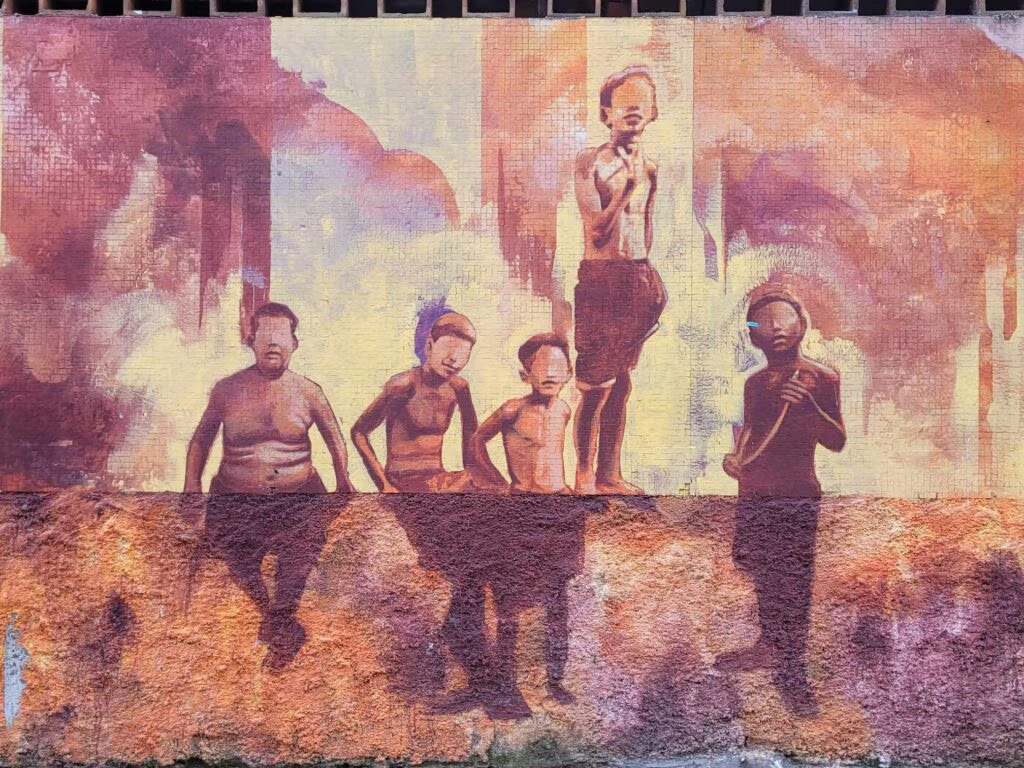
Located in Rio’s revitalized Port Zone, Morro do Pinto is an emerging highlight in the city’s street art landscape. Once overlooked, the community has recently become a canvas for powerful large-scale murals that reflect its history, identity, and resilience. As part of local revitalization efforts, artists and residents decided to collaborate, making deliberate choices about the direction of the area’s street art. Together, they have transformed stairways, facades, and public walls into striking works of art that blend cultural pride with social commentary. From portraits of Afro-Brazilian figures to abstract compositions filled with symbolism, the art in Morro do Pinto adds depth to the area’s growing reputation as one of Rio’s most authentic and creative street art destinations, closely connected to local communities and cultural traditions.

street art scene

Influential Artists in Rio’s Street Art Scene

Rio de Janeiro’s street art scene is shaped by a vibrant community of artists whose creativity has left an indelible mark on the city’s walls and global reputation. Among the most influential is Eduardo Kobra, whose monumental murals have become synonymous with Rio’s urban landscape. Kobra’s masterpiece on Olympic Boulevard, depicting indigenous people from five continents, not only set a world record for its sheer scale but also captured the spirit of unity and diversity during the 2016 Olympics. His use of bold colors and geometric patterns has inspired countless artists and made his work a must-see for anyone visiting the city.

Another standout is Rita Wainer, celebrated for her hyper-realistic portraits that bring a sense of intimacy and humanity to the bustling streets. Her art often explores themes of identity and emotion, adding depth to Rio’s urban art scene. Jorge Selarón, though originally from Chile, became a Rio icon through his creation of the famous Escadaria Selarón in Lapa. This mosaic staircase, adorned with tiles from around the world, is a living testament to the power of public art to transform and unite communities.

These artists, along with many others, have helped turn Rio into a global destination for street art lovers. Their murals and installations not only beautify the city but also tell stories that resonate far beyond Brazil’s borders, making Rio a true capital of amazing street art.

Preservation and Conservation Efforts

As the popularity of street art in Rio de Janeiro continues to soar, so does the importance of preserving these beautiful pieces for future generations. The city has taken proactive steps to protect its urban art, designating specific zones where street artists can legally create and display their work. These open-air galleries not only safeguard the art from vandalism and overpainting but also encourage a sense of pride and ownership within the community.

Local authorities often collaborate with street artists and property owners to maintain and restore murals, ensuring that the city’s most iconic works remain vibrant and intact. Community-driven initiatives and workshops further support the conservation of street art, fostering a culture of respect and appreciation for the talent that adorns Rio’s walls. By investing in preservation, Rio not only maintains its reputation as a hub of amazing art but also strengthens the cultural bonds that connect its residents and visitors from across the globe.

Guided street art walking tour of Rio visiting Pedra do Sal, Lapa and bohemian districts with local expert

Comparison to Other Cities

When it comes to street art, Rio de Janeiro stands out even among the world’s most celebrated urban art destinations, and exploring it on private tours of Rio de Janeiro can reveal even more of its hidden creative side. While cities like São Paulo, New York, and Berlin each boast their own unique graffiti styles and artistic traditions, Rio’s street art scene is distinguished by its explosion of color, cultural richness, and accessibility. The influence of indigenous people and African heritage is woven into the fabric of Rio’s murals, giving the city a visual identity that is both stunning and deeply meaningful.

Unlike some cities where street art is confined to certain districts, in Rio, beautiful murals and graffiti are integrated into daily life, especially in neighborhoods like Santa Teresa and Lapa. The city’s open embrace of street art means that every walk through its streets is an opportunity to discover new and cool pieces, making it a paradise for anyone who loves street art. Whether you’re a big fan of urban art or simply curious to explore a different city’s creative side, Rio offers a style and energy that is truly unmatched in the world.

What is the most prominent graffiti in Rio?

One of the most well-known and prominent graffiti artworks in Rio de Janeiro is the mural called “Etnias” (Ethnicities) by artist Eduardo Kobra. This impressive mural, located in the Gamboa neighborhood, depicts the faces of five indigenous people from five different continents, representing the diversity of human cultures. The mural features the Olympic rings, with the five Olympic rings serving as a central visual element that symbolizes global unity and cultural diversity. Recognized by the Guinness Book of Records for its massive size, “Etnias” is a major point of interest for visitors to Rio. Many people take pictures of the mural and share them, making it one of the most photographed street art pieces in the city.

The mural gained international attention for its size, vibrant colors, and celebration of cultural diversity. However, the status of street art can change, so I recommend checking for the latest information if you’re specifically looking for the largest graffiti artwork in Rio.

Is street art legal in Rio de Janeiro?

Street art is legal in certain designated areas of Rio de Janeiro. The city has taken steps to embrace street art as a cultural expression. It has established specific zones, known as “open-air galleries,” where artists can create murals and graffiti legally. These areas allow artists to showcase their work without fearing legal repercussions. However, outside these designated zones, unauthorized street art is still considered illegal and can result in fines or other penalties. Artists and visitors must know the specific regulations and guidelines regarding street art in Rio de Janeiro.

Private Rio graffiti tour discovering vibrant street art scene through Olympic Boulevard and historic neighborhoods

Rio de Janeiro Street Art Private Tour

If you want to discover the most beautiful murals and street art in Rio de Janeiro, our Street Art Tour is the perfect choice. On this private experience, you’ll explore vibrant neighborhoods like Lapa, Santa Teresa, the stunning Olympic Boulevard, and the culturally rich Pedra do Sal, visiting key points of interest for street art lovers—all in the company of a knowledgeable local guide. The tour can also include a visit to a museum, allowing you to experience Rio’s diverse cultural landscape and see how street art interacts with traditional art institutions. Here are some tips: the best times to visit are early morning or late afternoon to avoid crowds and harsh sunlight, and using public transport or ride-sharing apps makes it easy to navigate between neighborhoods. With exclusive transportation and flexible scheduling, this tour offers a deeper look into the stories, artists, and messages behind Rio’s most iconic walls. Book now using the form below and immerse yourself in the creative soul of the city.

Have questions or want to share your own street art discoveries? Leave a comment below! For more inspiration, check out our related post on street art in Brazil.

Conclusion and Final Thoughts

In the end, Rio de Janeiro’s street art scene is a dazzling celebration of creativity, culture, and community. From the breathtaking murals along Olympic Boulevard to the colorful alleys of Santa Teresa and the iconic graffiti in Lapa, the city is a living gallery that invites you to explore, discover, and be inspired. The passion and talent of Rio’s artists have transformed ordinary walls into extraordinary canvases, making every street a showcase of amazing street art.

Whether you choose to join a guided tour, design your own custom VIP private tour in Rio, or wander the city on your own, you’ll find that Rio’s street art is more than just decoration—it’s a powerful expression of the city’s soul. As you walk through the vibrant neighborhoods, take in the stunning artwork, and connect with the stories behind each piece, you’ll understand why Rio is considered one of the world’s greatest destinations for urban art. So pack your camera, bring your curiosity, and get ready to fall in love with the beautiful pieces that make Rio de Janeiro a true masterpiece in the world of street art.